Complete Guide to Pulaki Temple
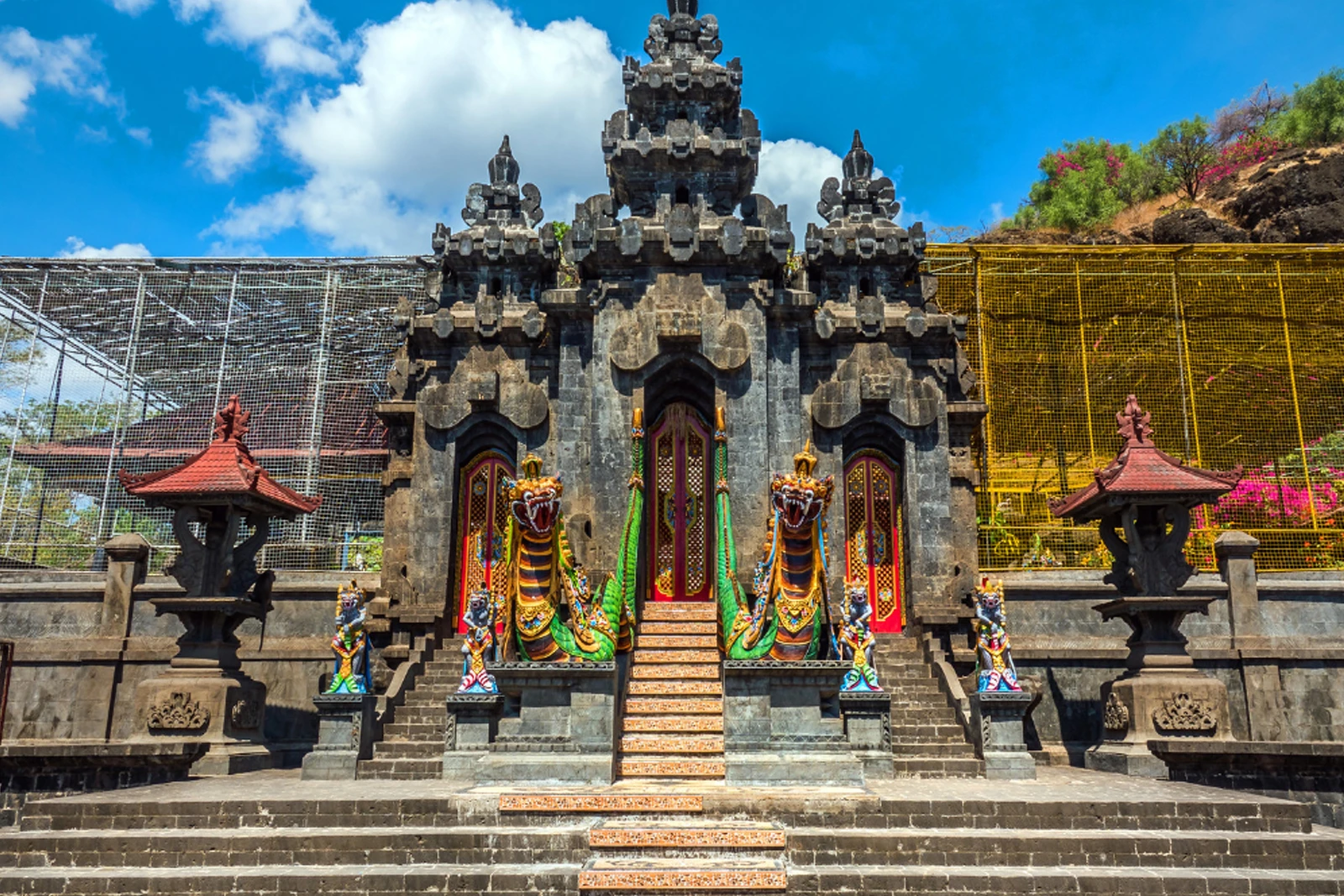
Pulaki Temple is one of Bali’s sacred sea temples, set along the rugged north coast of the island. Also known as Pura Agung Pulaki or Pura Pulaki.
 Tours around Bali paradise island
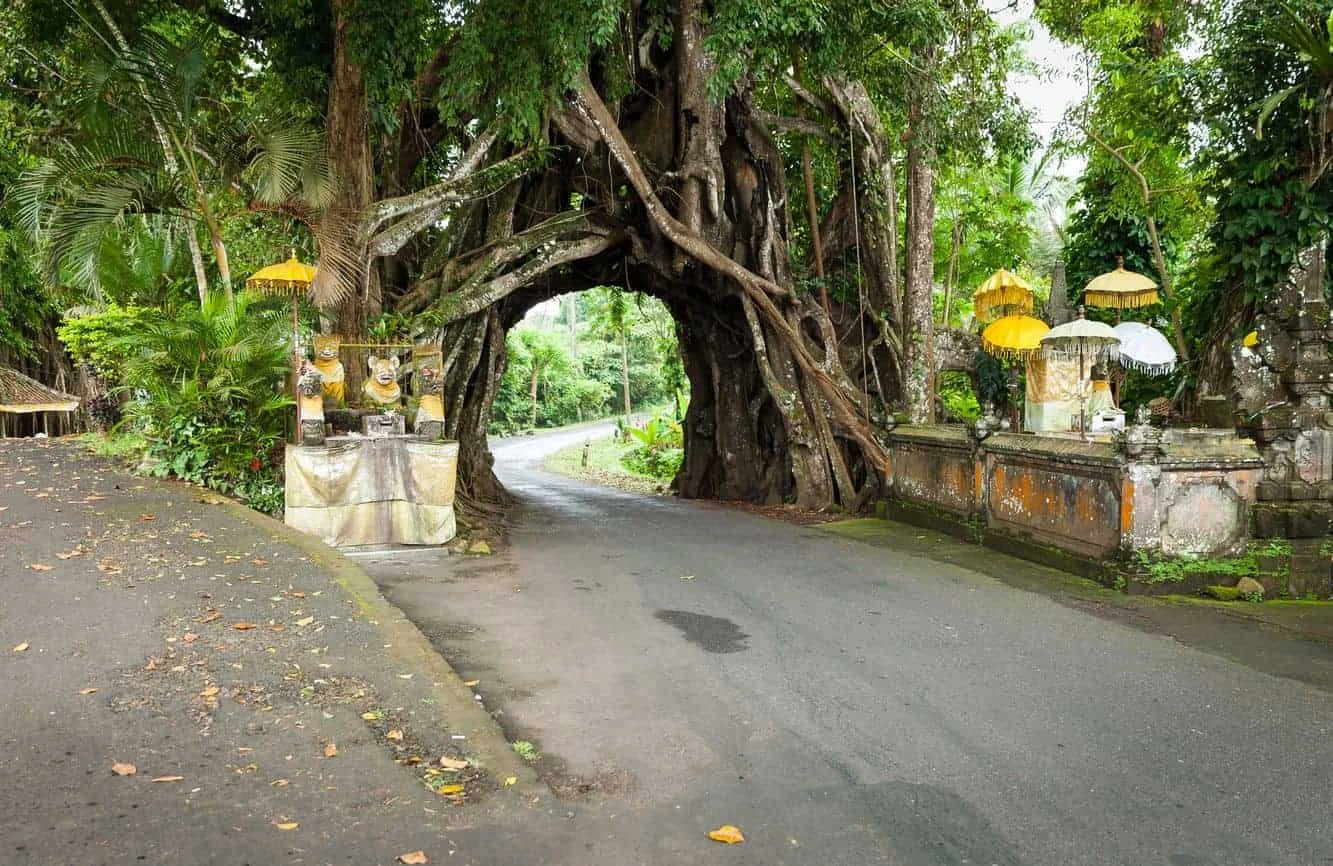
A sacred banyan tree with a road through its hollow trunk.
The Scared Bunut Bolong
Hidden along a quiet road in West Bali, Bunut Bolong is a unique stop that many travelers don’t expect to find. Its name comes from two Balinese words: bunut, referring to a type of fig tree, and bolong, meaning hole. The name makes perfect sense when you see the tree: a large, old tree with a hollow trunk that is wide enough for cars and motorbikes to pass through.
Located in Jembrana, Bunut Bolong is more than just an unusual sight along the road. The tree and its surroundings are important to the local community, with traditions and beliefs that are still alive. For visitors, it is an easy place to stop, take a closer look, and experience a different side of Bali beyond the island’s more well-known tourist spots.
Banyan trees have a special place in Balinese Hindu traditions. Their large trunks, hanging roots, and long lifespan are often associated with the connection between the natural and spiritual worlds. In Hindu literature, banyan trees are also linked to Lord Krishna, who is said to have rested beneath one. The tree also appears on Indonesia’s national emblem, and across Bali, Balinese Hindus often place offerings near trees considered sacred.
At Bunut Bolong, the tree remains part of local traditions and is sometimes used for spiritual rituals and ceremonies. Like many sacred trees in Bali, its trunk is wrapped in a black-and-white checkered cloth known as poleng. The cloth is commonly associated with balance and is often found around places that are considered spiritually important. For the local community, Bunut Bolong is not simply an old tree along the road, but a place that continues to have a role in everyday traditions.
When you arrive at Bunut Bolong, you’ll see a large banyan tree growing across the road, with a hollow trunk that creates an opening for cars and motorbikes to pass through. The tree is covered with moss and surrounded by greenery, making it quite different from a typical roadside stop. A small temple nearby is also still used by the local community.
Depending on when you visit, you may see people making offerings or taking part in a ceremony. The area is generally quiet and simple, with limited facilities around the site. It’s a short stop, but an interesting one if you want to see one of Bali’s unique natural and cultural landmarks.
For a more comfortable visit, come in the early morning or late afternoon when the weather is cooler, and the light is better for photos. Keep noise to a minimum, dress respectfully, and avoid littering, especially if a ceremony is taking place. Bunut Bolong is an important cultural site for the local community, so visitors are expected to treat the area with respect.
On regular days, a small donation is appreciated, while during religious ceremonies or public holidays, visitors may be asked to pay around IDR 5,000 for taking photos. If you plan to explore the surrounding area, it is also a good idea to bring some cash and drinking water, as facilities around Bunut Bolong are limited.
The easiest way to get to Bunut Bolong is by private car or motorbike, as the site is located along the main road connecting Jembrana and Buleleng and is not served by direct public transportation. From Seminyak, Kuta, or Ubud, the drive usually takes around 2 to 2.5 hours, depending on traffic. For a more convenient option, you can hire a car with a driver who knows the route and can also take you to nearby spots such as Medewi Beach or Rambut Siwi.
Bunut Bolong offers something different from Bali’s usual tourist attractions. The combination of its unusual banyan tree, local traditions, and cultural significance makes it an interesting stop for domestic and international visitors alike. It may not take long to explore, but it gives you a chance to see a lesser-known part of Bali and learn more about traditions that are still part of everyday life in the area.
If you’re exploring West Bali and looking for something beyond the usual beaches and temples, Bunut Bolong is worth adding to your route. Take some time to see the tree, learn about the local traditions, and enjoy the surrounding area before continuing your journey.
Pulaki Temple is one of Bali’s sacred sea temples, set along the rugged north coast of the island. Also known as Pura Agung Pulaki or Pura Pulaki.
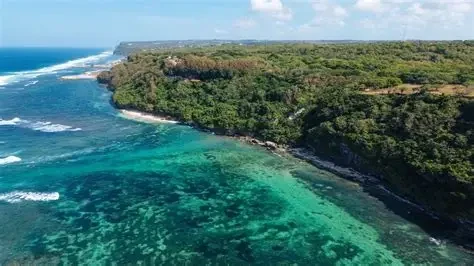
Tanah Barak Beach is situated in Kutuh Village, South Kuta. The beach's hidden nature means fewer crowds, giving visitors a chance to connect with the natural
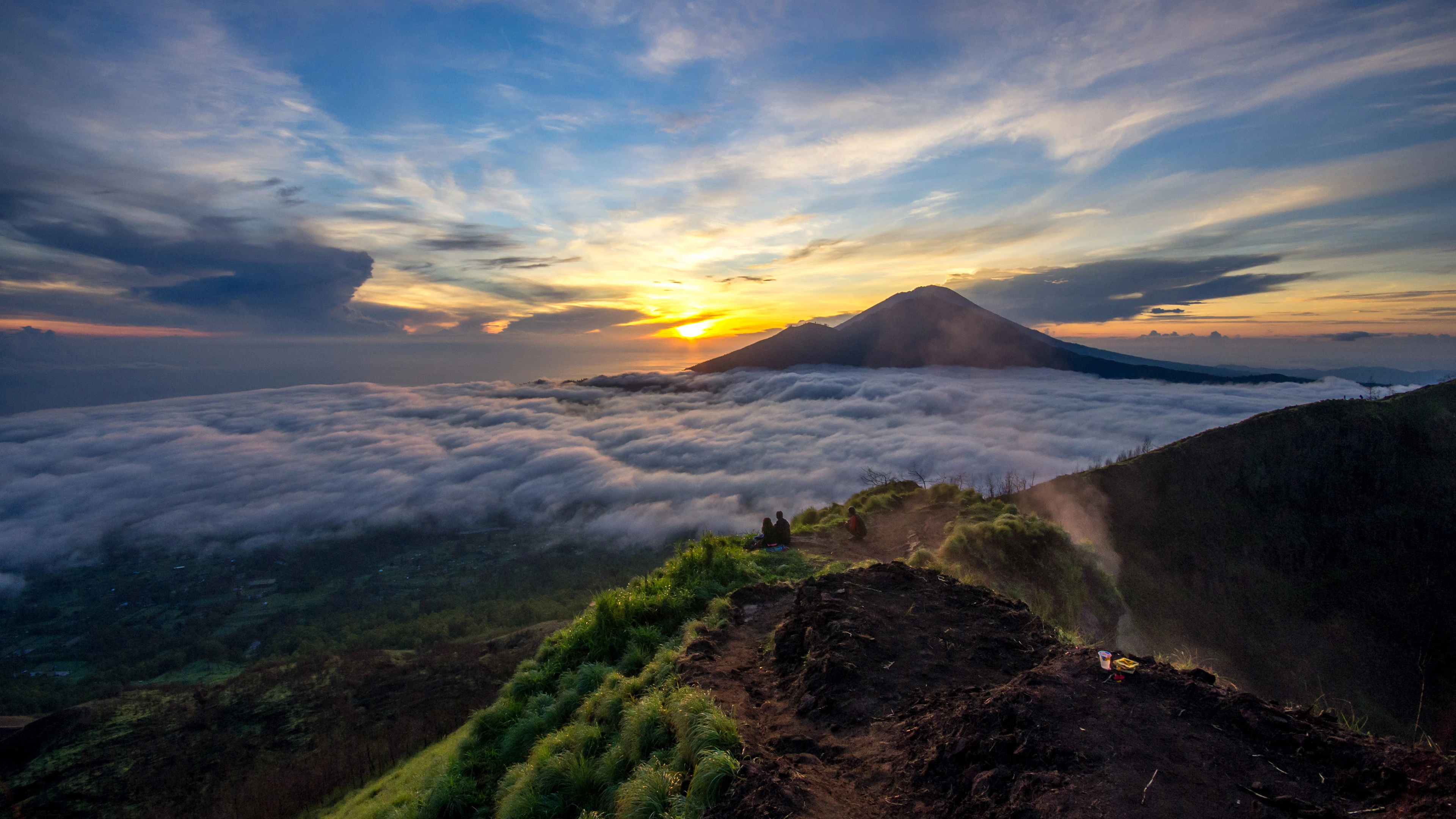
Morning is the best time to begin a day in Kintamani. As the sun rises, Mount Batur slowly appears in the distance, while Lake Batur reflects the soft morning light.
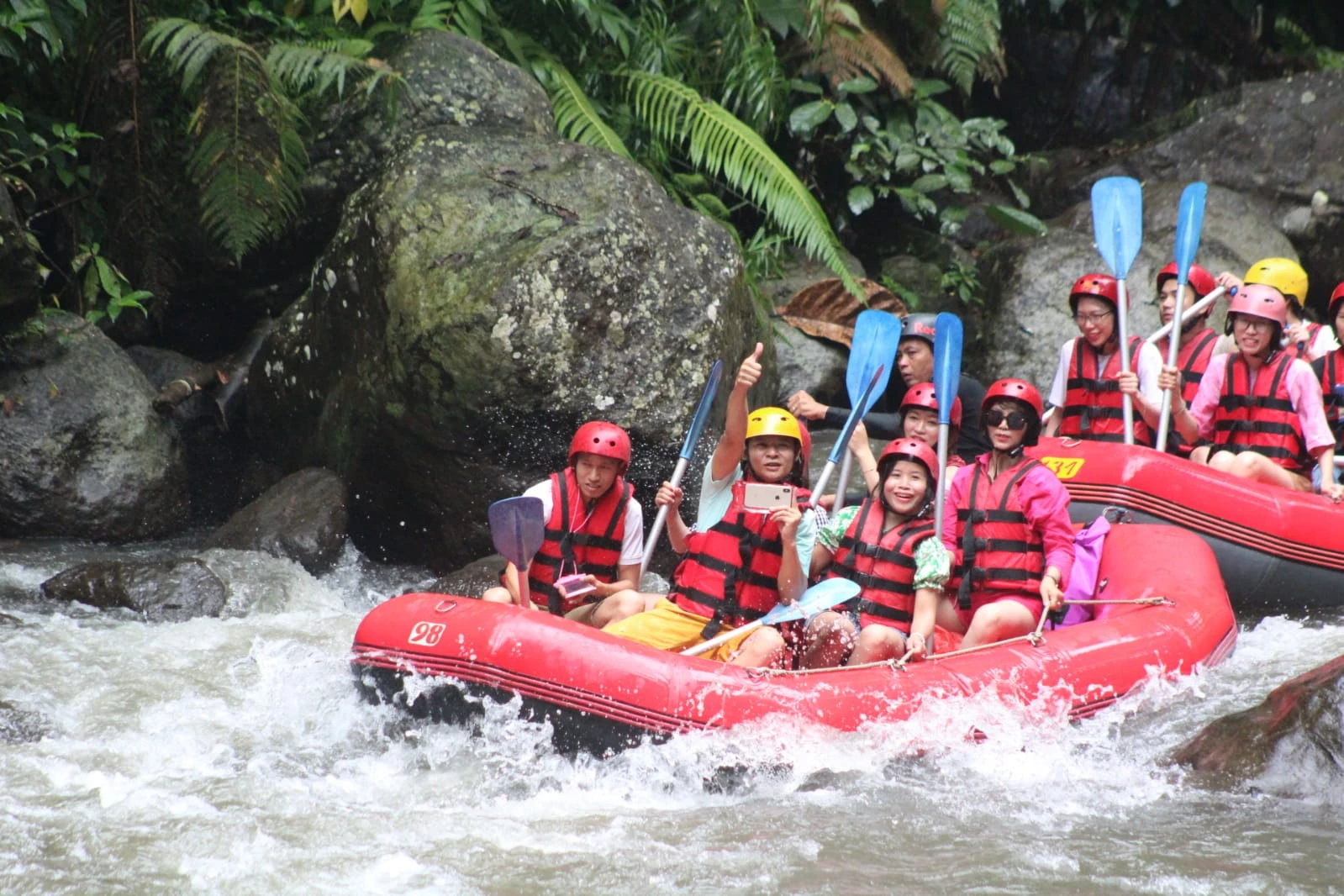
The Ayung River is the longest in Bali, stretching over 75 kilometers, famous for white-water rafting, with Class II and III rapids.
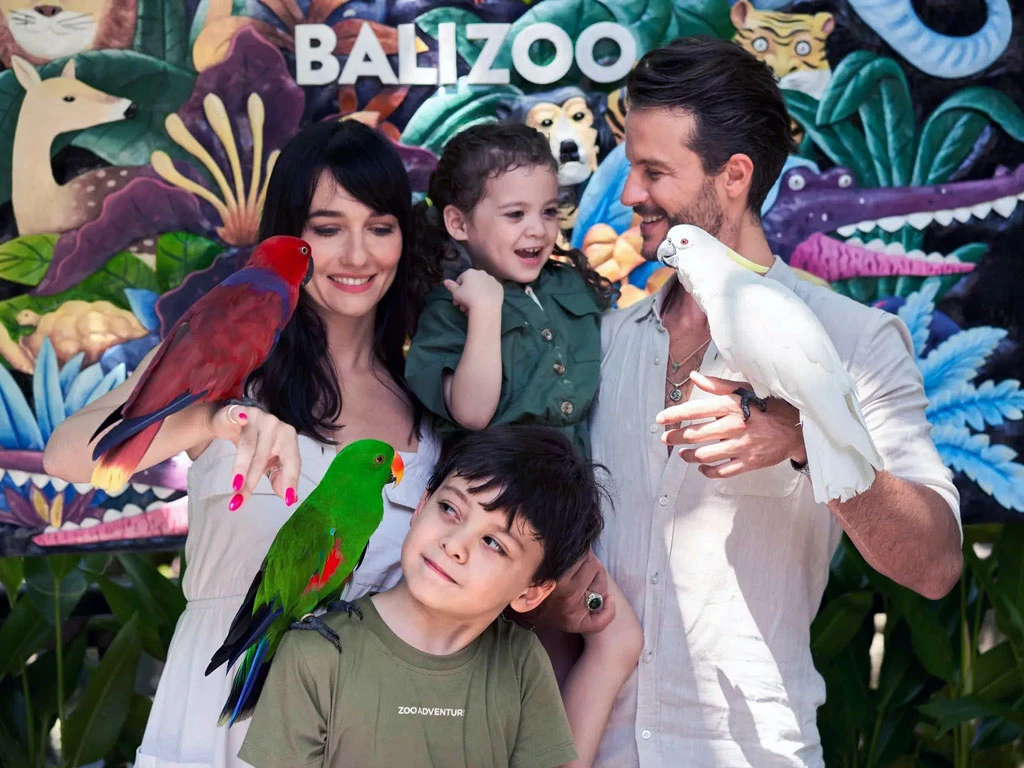
Bali Zoo is a fun place to spend a day with family while learning more about different animals.
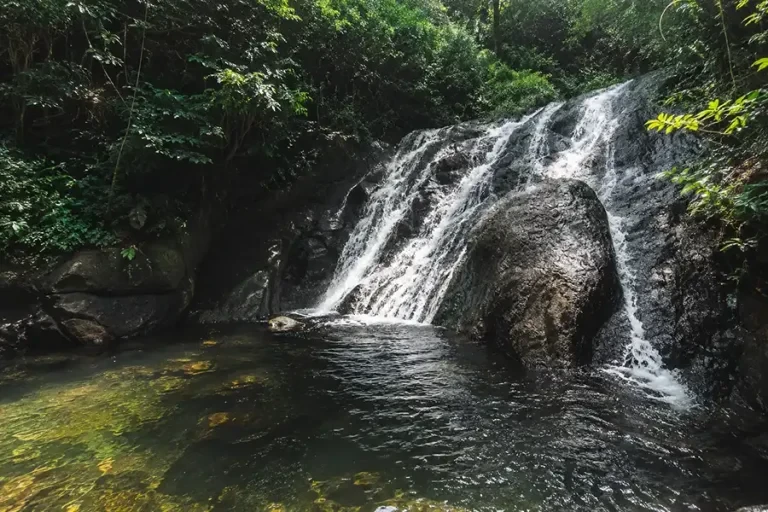
Tukad Arca is a small river in Karangasem where you can enjoy a side of Bali. The water is clear and cool, while the surrounding greenery and natural rocks.
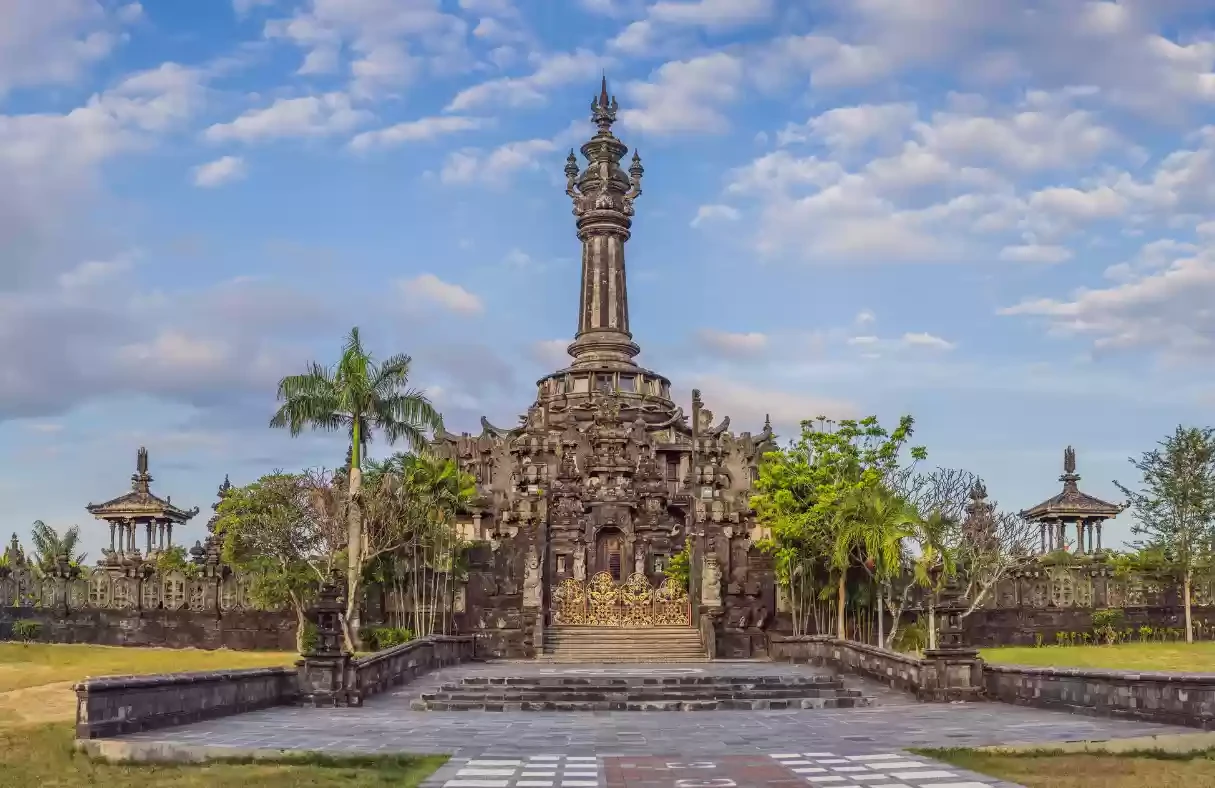
Bajra Sandhi Monument is one of Bali’s most iconic landmarks, commemorating the courage, resilience, and enduring spirit of the Balinese people.
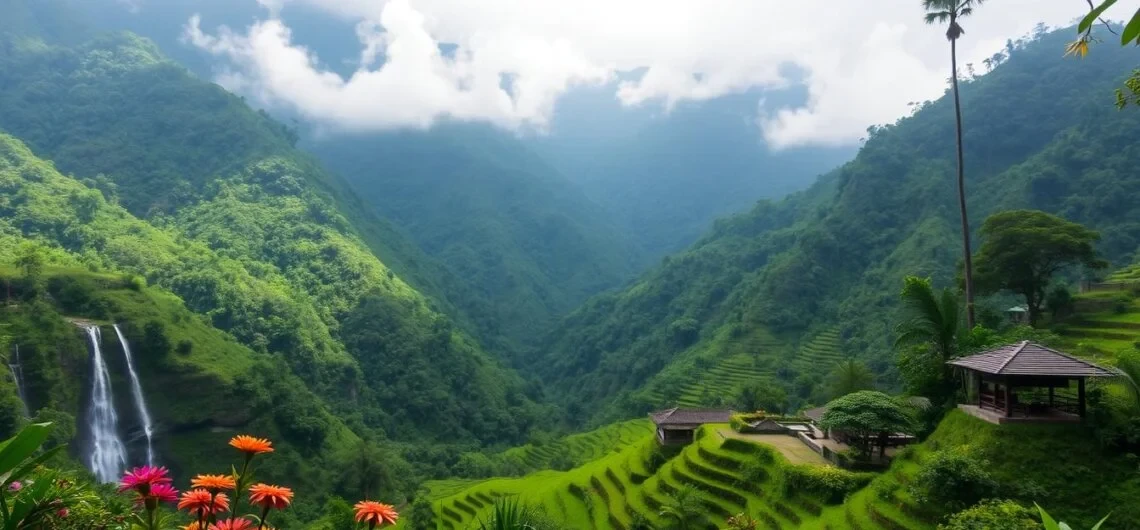
Munduk is a small highland village in North Bali, and it feels completely different from anywhere else on the island.
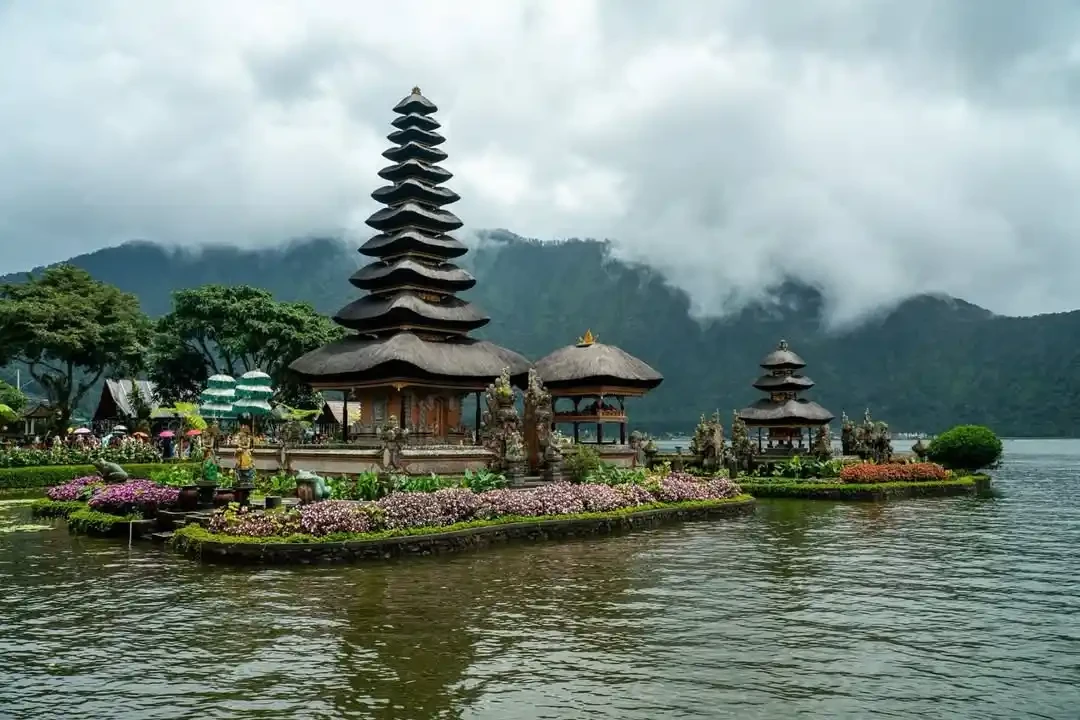
Ulun Danu Beratan Temple is a picturesque Hindu water temple on the shores of Lake Beratan in Bedugul
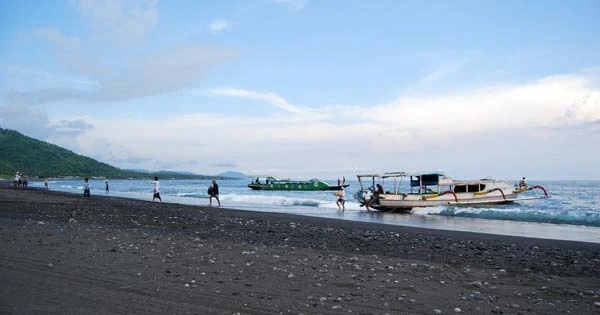
Kusamba Beach is located in Kusamba Village. This beach is famous for its black sand and the traditional life of the local people.

A Banana Boat Bali ride is one of the most popular water sports in Tanjung Benoa, offering a fun and exciting experience for families, friends, and groups.
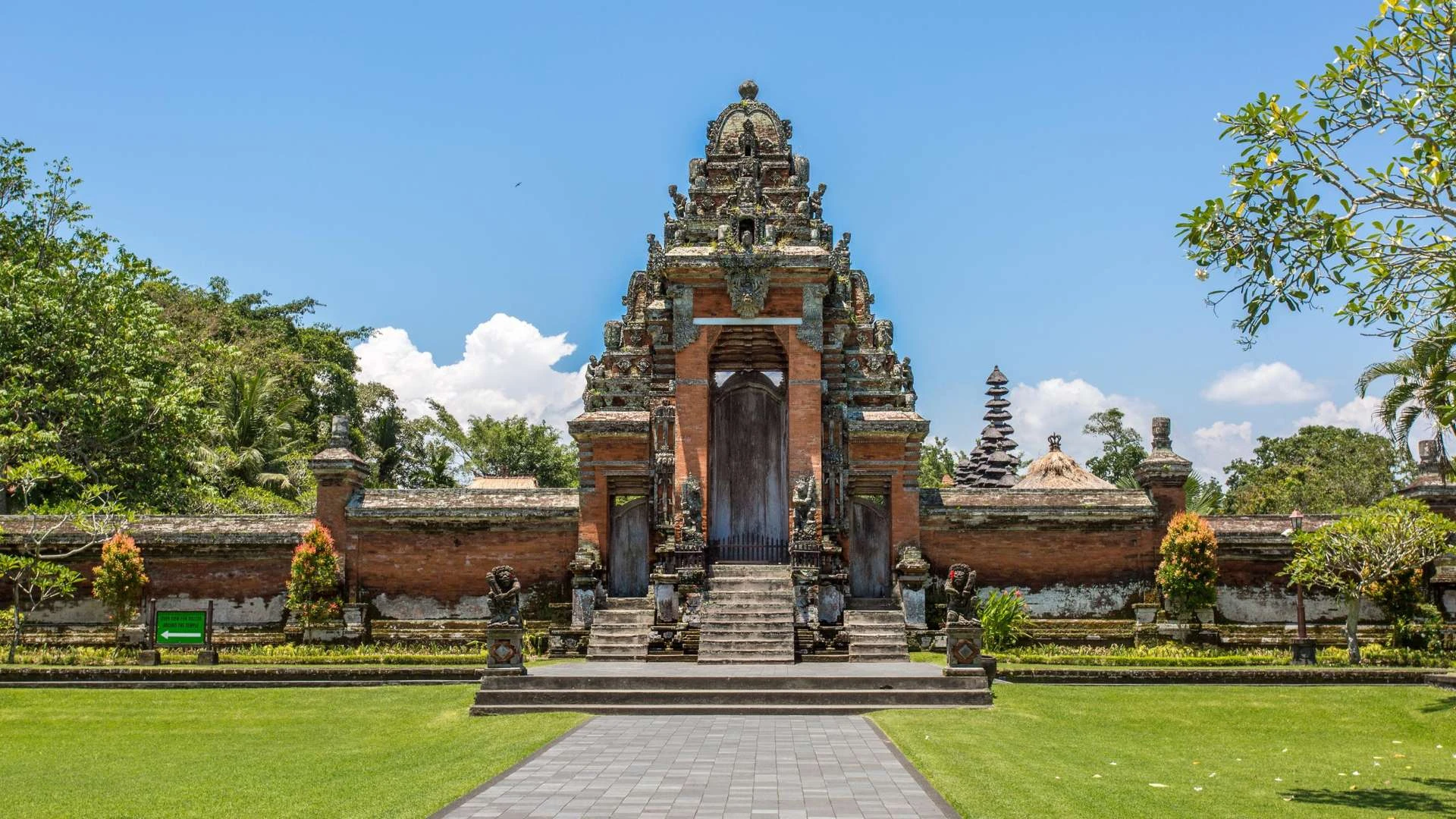
Taman Ayun Temple, located in Badung Regency, Bali, has become one of the island’s primary tourist destinations.
Discover the best of Bali through curated articles and local tips.
We provide the informations for temple ceremony and other ceremony in Bali, such as: Galungan Day, Kunungan Day, Nyepi Day and the other
Balinese dance is inseparable from religion. A small offering of food and flowers must precede even dances for tourists. Before performing, many dancers pray at thei
The centerpiece of any Indonesian meal is steamed or boiled rice.Accompanying dishes include various preparations of chicken, duck, beef, goat, all kinds of seafood

Choose the tour packages category and book your tours in Bali complete in one touch

Provide choice adventure tours in Bali to make your holiday more fun and unforgetable

Decide your activities when in Bali and we provide the transportation services such as car charter, shuttle services, lembongan boat transfers, gili boat transfers or boat charter

Explore Bali's top attractions, cultural highlights, temple ceremonies, and local news in one place. Get the latest updates and essential travel information.

For your transportation from Ngurah Rai Bali Airport to your hotel or return.

Car charter with private driver, full AC comfortable vessels and professional drivers.

Fast boat service from Sanur or Serangan Bali to Jungut Batu Bay or Mushroom Bay Lembongan Island.

We accept payment online via PayPal or Indonesian Local Bank BRI, Mandiri or BCA