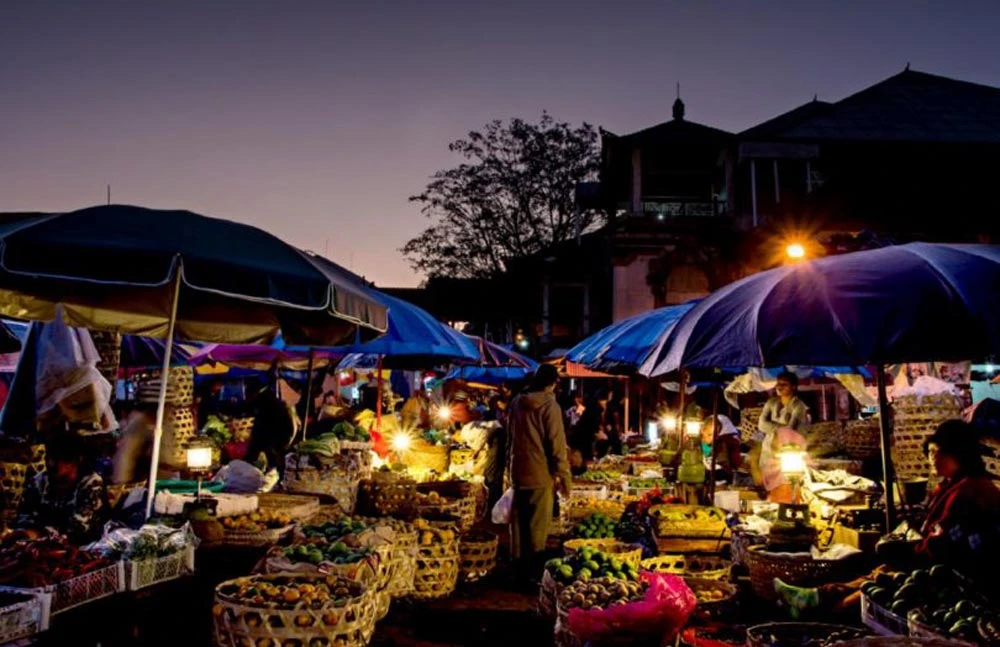
Gianyar Night Market: Food, Shopping, and Local Life
Gianyar Night Market, also known as Pasar Senggol Gianyar, is a popular night market in Bali where visitors can find a variety of local foods and everyday items.
 Tours around Bali paradise island
The Royal Legacy of the Mengwi Kingdom
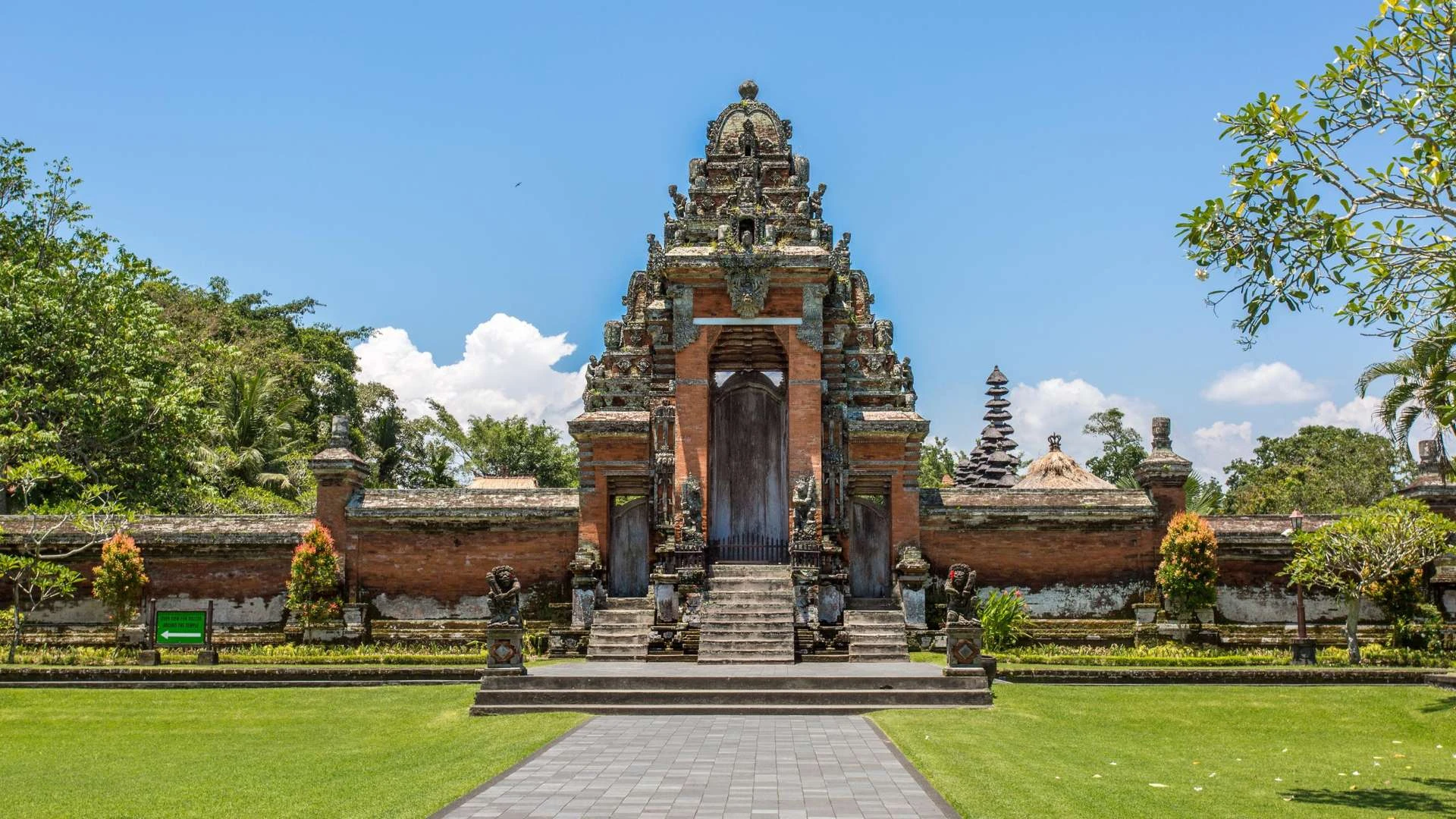
Taman Ayun Temple
Taman Ayun Temple, located in Badung Regency, Bali, has become one of the island’s primary tourist destinations. Nestled amidst lush gardens and encircled by a tranquil moat, Taman Ayun Temple stands as a majestic testament to Bali’s rich history and enduring spiritual heritage. More than just a place of worship, this Royal Temple of Mengwi offers a captivating experience, inviting visitors to step back in time and immerse themselves in its serene beauty and architectural grandeur. Recognized by UNESCO as a World Heritage site, Taman Ayun is a must-visit destination for those seeking to explore the cultural heart of Bali.
Taman Ayun Temple was built in the 17th century by the Mengwi Kingdom, one of Bali's most influential kingdoms at the time. It was originally built as the royal family’s temple and used as a place of worship for the kings and their ancestors. The temple is dedicated to the Hindu trinity—Brahma, Vishnu, and Shiva as well as other Balinese deities. Over the years, Taman Ayun has been carefully maintained and renovated, preserving its cultural and religious importance.
Taman Ayun was built as the main state temple of the Mengwi Kingdom, reflecting both the kingdom’s religious beliefs and its political importance. It became a place where the royal family held ceremonies and prayers, asking for protection, peace, and prosperity for the kingdom. Even after the Mengwi Kingdom declined in the 19th century, the temple remained an active place of worship. Today, it continues to be an important cultural and religious landmark, attracting both worshippers and visitors from around the world.
Taman Ayun Temple is known for its beautiful Balinese architecture, especially its multi-tiered Meru shrines that represent Mount Meru, the sacred mountain in Hindu belief. Each shrine has an odd number of tiers, ranging from three to eleven, depending on the importance of the deity it honors. The temple also features detailed stone carvings, traditional wooden pavilions, and black thatched roofs made from sugar palm fiber, making it one of the best-preserved examples of classical Balinese temple architecture.
Taman Ayun Temple is surrounded by well-maintained gardens filled with tropical trees, flowers, and green landscapes, creating a peaceful atmosphere for visitors. More than just a beautiful setting, the gardens reflect the Balinese philosophy of Tri Hita Karana, which emphasizes harmony between people, nature, and the divine. Walking through these gardens offers visitors a quiet and relaxing experience while highlighting the strong connection between Balinese culture, spirituality, and the natural environment.
Taman Ayun Temple features well-maintained gardens with tropical trees, flowers, and green spaces that create a peaceful atmosphere. The gardens are an important part of the temple’s design and reflect the Balinese philosophy of Tri Hita Karana, which emphasizes harmony between people, nature, and the spiritual world, making the temple a relaxing place to visit.
Taman Ayun Temple is surrounded by a wide moat that symbolizes the cosmic ocean in Hindu belief. Besides its symbolic meaning, the moat adds to the temple's beauty by reflecting the Meru towers on the water, creating a peaceful view. This unique feature makes the temple one of the most popular places for photography in Bali.
In 2012, Taman Ayun Temple was inscribed as part of the “Cultural Landscape of Bali Province. The Subak System as a Manifestation of the Tri Hita Karana Philosophy” by UNESCO. This recognition highlights the temple’s crucial role not only as a spiritual center. But also as an integral part of the island’s unique and sustainable irrigation system. Which reflects the Balinese philosophical concept of harmony between humans, nature, and the divine.
Taman Ayun Temple is still actively used for religious ceremonies, especially during important Hindu festivals such as Galungan and Kuningan, which celebrate the victory of good over evil. During these events, visitors can see local worshippers bringing traditional offerings, praying, and taking part in temple ceremonies. The temple is also filled with traditional decorations, music, and cultural activities, offering visitors a chance to experience Balinese traditions and religious life.
Taman Ayun Temple is a place where history, nature, and spirituality come together to create a truly unique Balinese experience. Beyond its beautiful architecture and peaceful surroundings, the temple tells a story about Bali’s royal past and the deep connection between people, culture, and tradition. Visiting Taman Ayun allows travelers to get a different side of Bali.
Let Seeing Bali be your trusted companion to guide you explore the hidden beauty of Bali during your tour.
Gianyar Night Market, also known as Pasar Senggol Gianyar, is a popular night market in Bali where visitors can find a variety of local foods and everyday items.
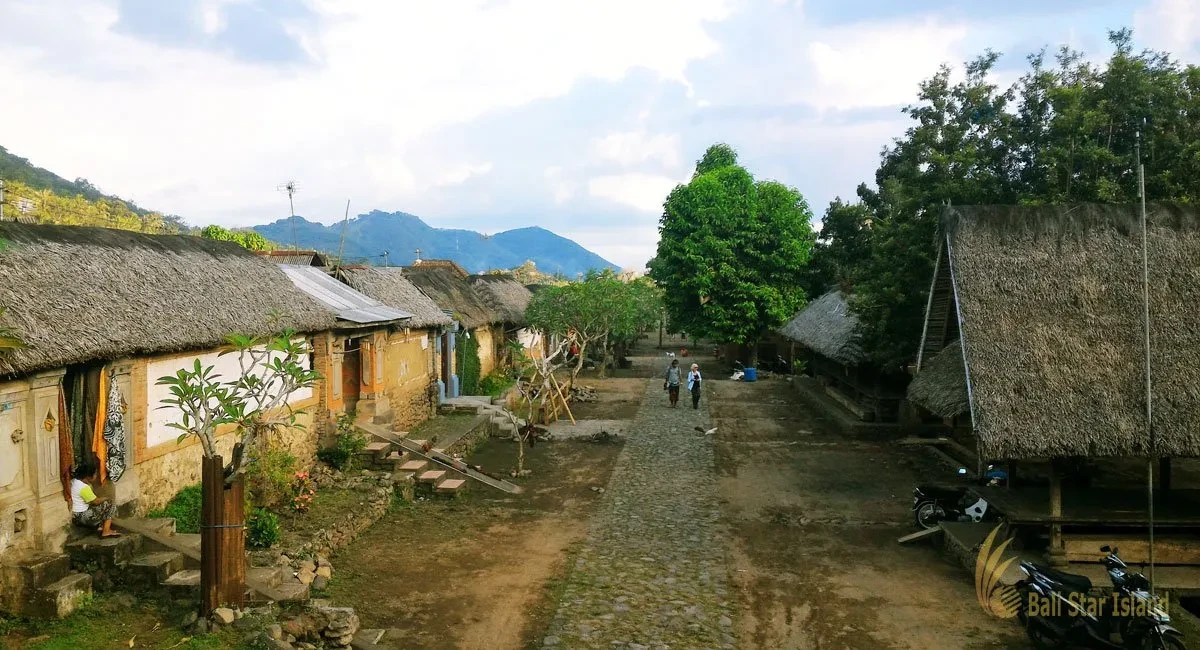
Tenganan, an ancient Balinese village in the island's eastern part, is a popular tourist destination for those who love exploring local culture.
Bengkala Village offers a unique cultural experience in Bali, known for its distinctive sign language, Kata Kolok, and the harmonious relationship between deaf and hearing residents.
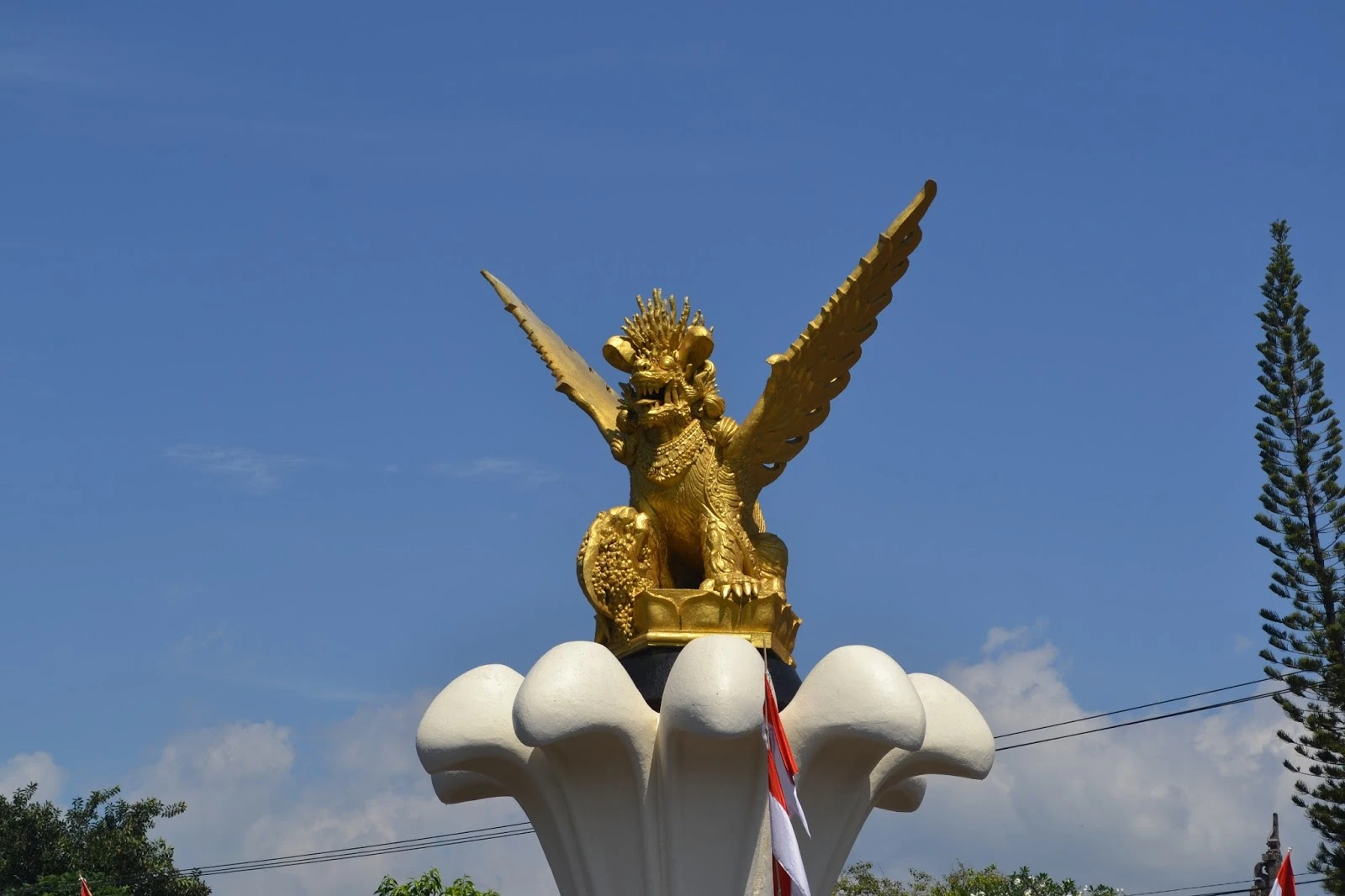
Singaraja is Bali’s second-largest city and the historic capital of the island’s north, but it rarely gets the attention it deserves. While most visitors head south to the beaches and busy resorts.
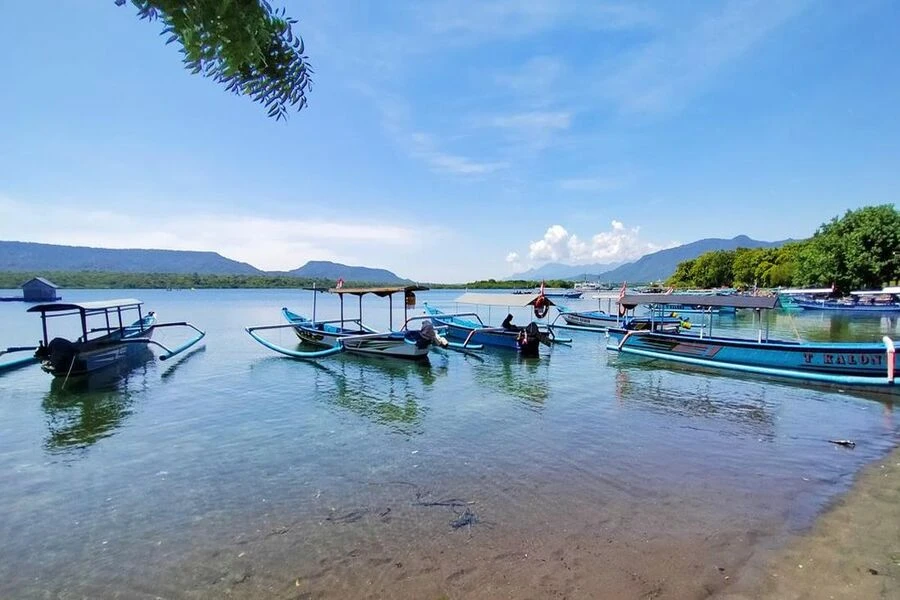
Gilimanuk Bay is a popular tourist destination in Bali, attracting visitors on weekdays and holidays. The bay offers scenic views and a different afternoon atmosphere.
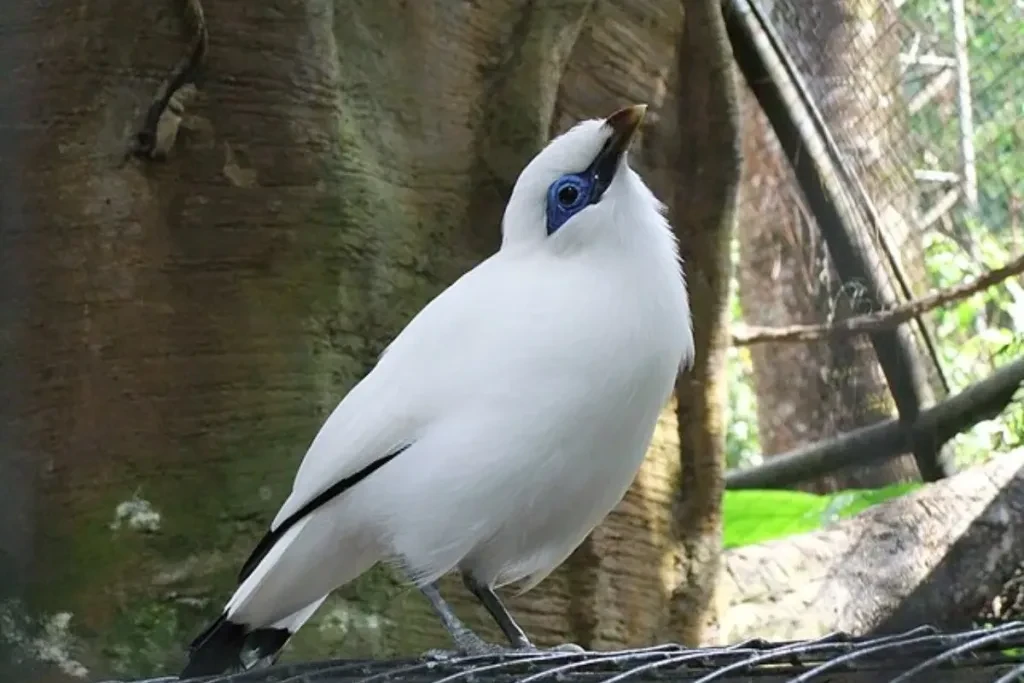
The Bali Starling is one of Indonesia’s most unique and endangered birds. This beautiful bird is native to Bali and has become an important symbol of the island’s conservation.
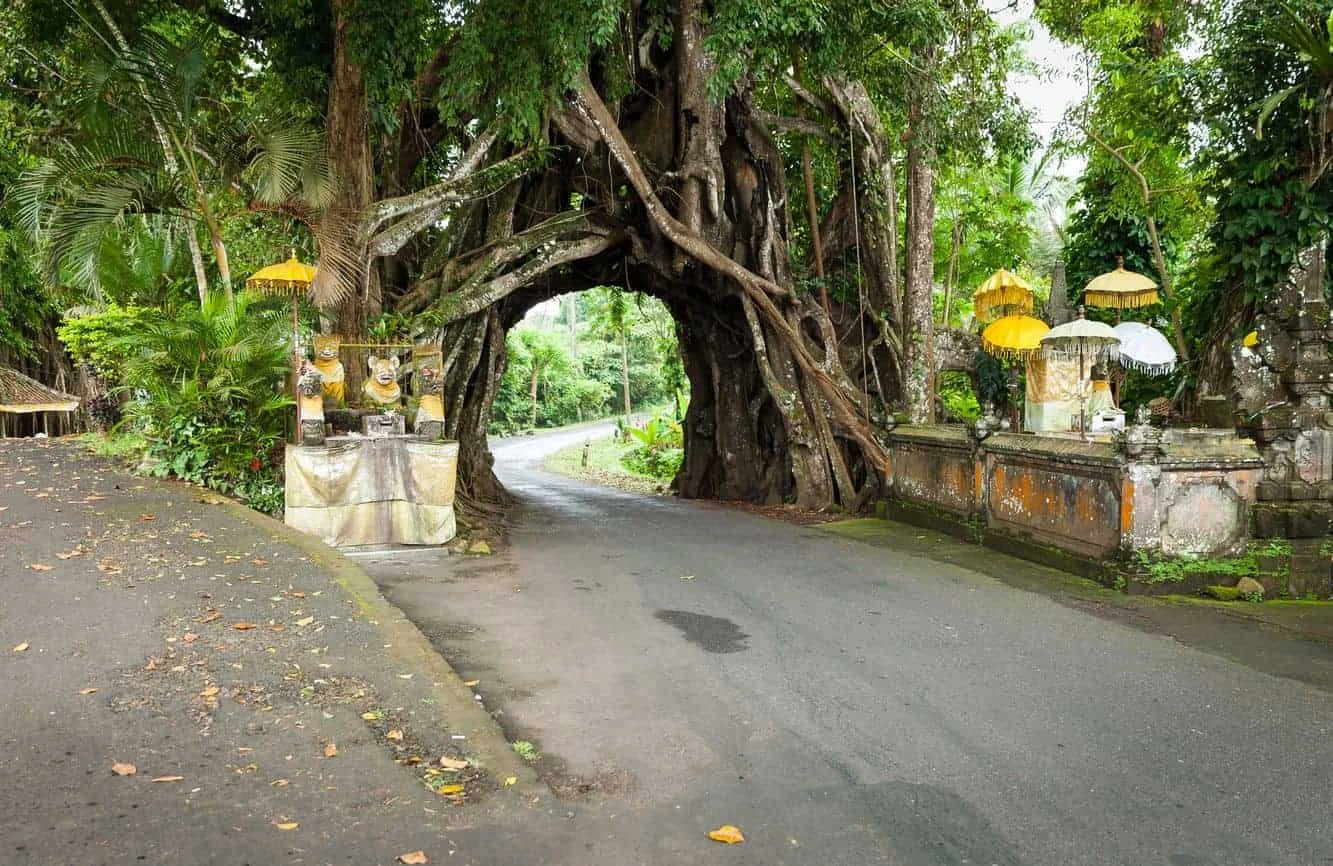
Bunut Bolong in West Bali is a unique banyan tree landmark in Jembrana, known for its natural tunnel, local traditions, and cultural significance.
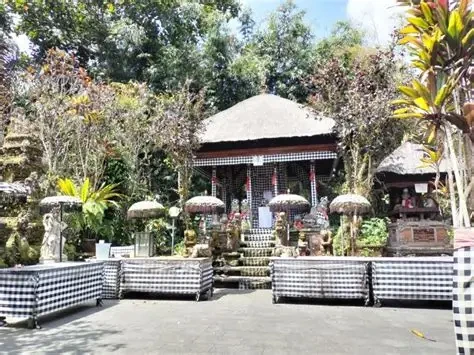
Tamba Waras is a temple in Tabanan known for its healing traditions and melukat ritual, set in the forested slopes of Mount Batukaru.
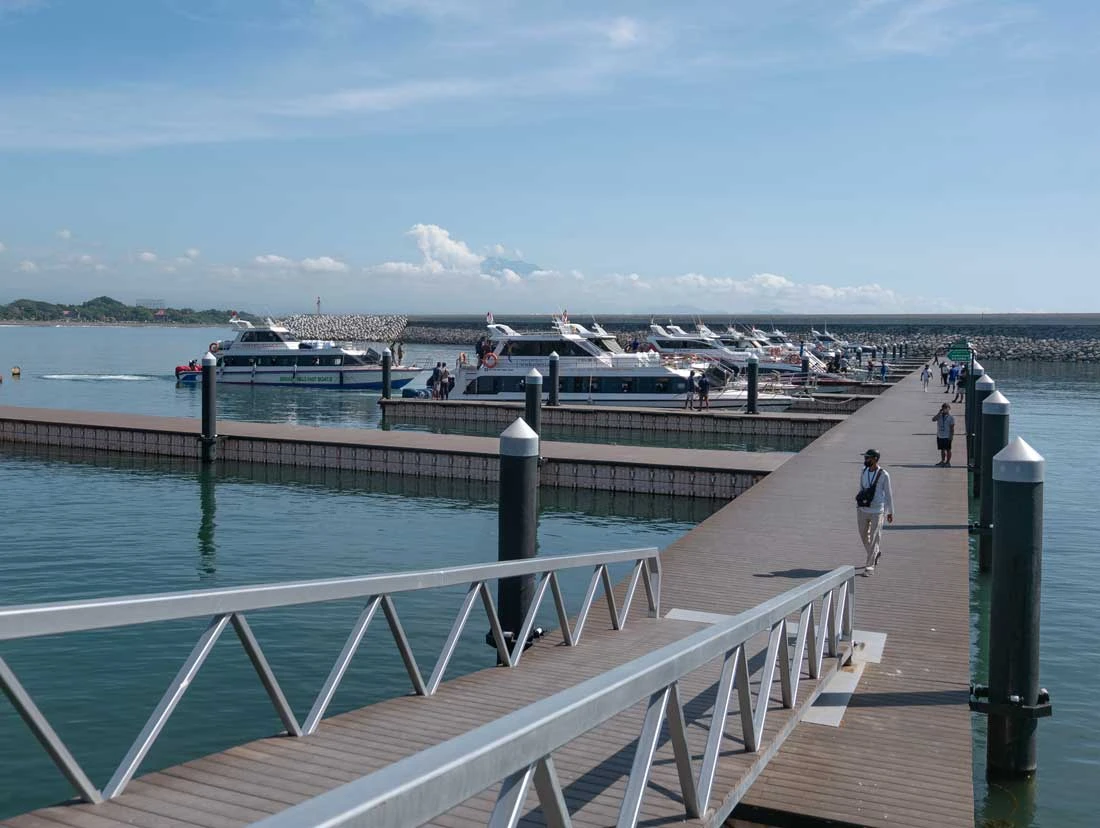
Sanur Harbor is a convenient gateway for traveling by fast boat or ferry to Nusa Penida, Nusa Lembongan, Nusa Ceningan, the Gili Islands, and Lombok.
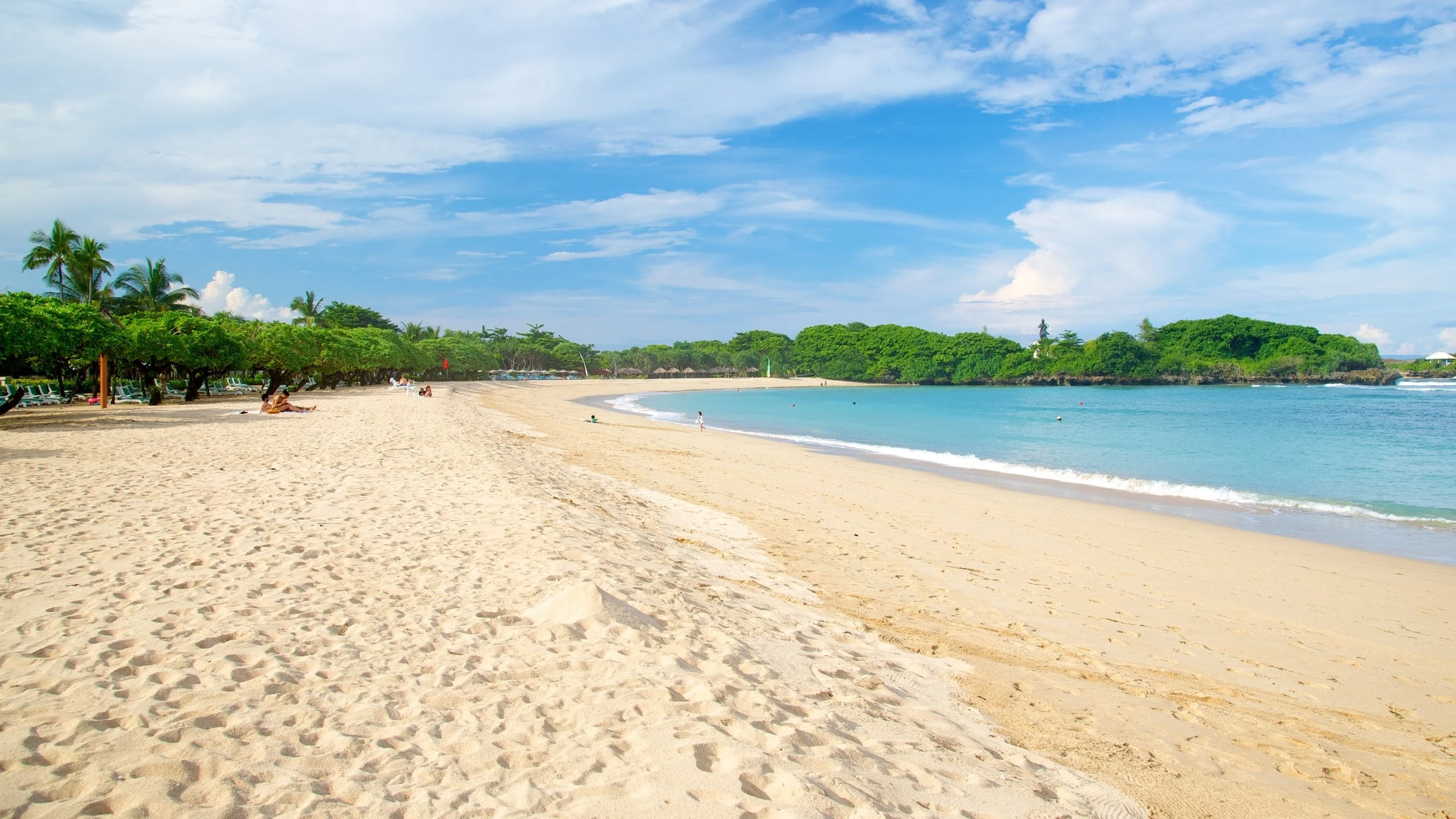
Nusa Dua is one of Bali’s popular areas for staying, known for its beaches, resorts, restaurants, and family-friendly attractions.
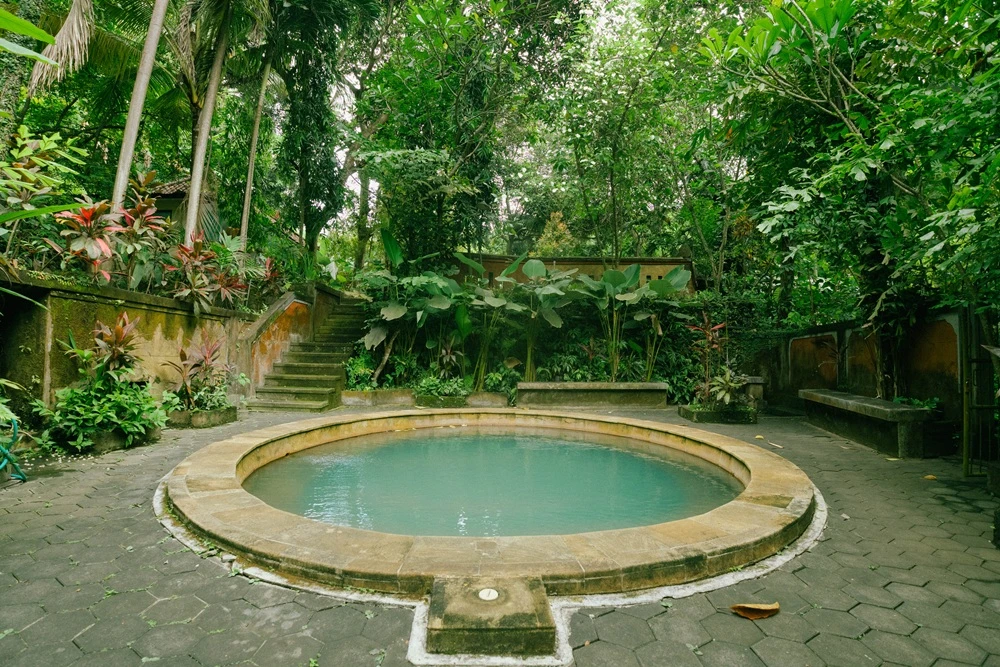
Banjar Hot Water Spring in North Bali offers sulfur-rich hot spring pools, relaxing showers, and a refreshing bathing experience near Singaraja.
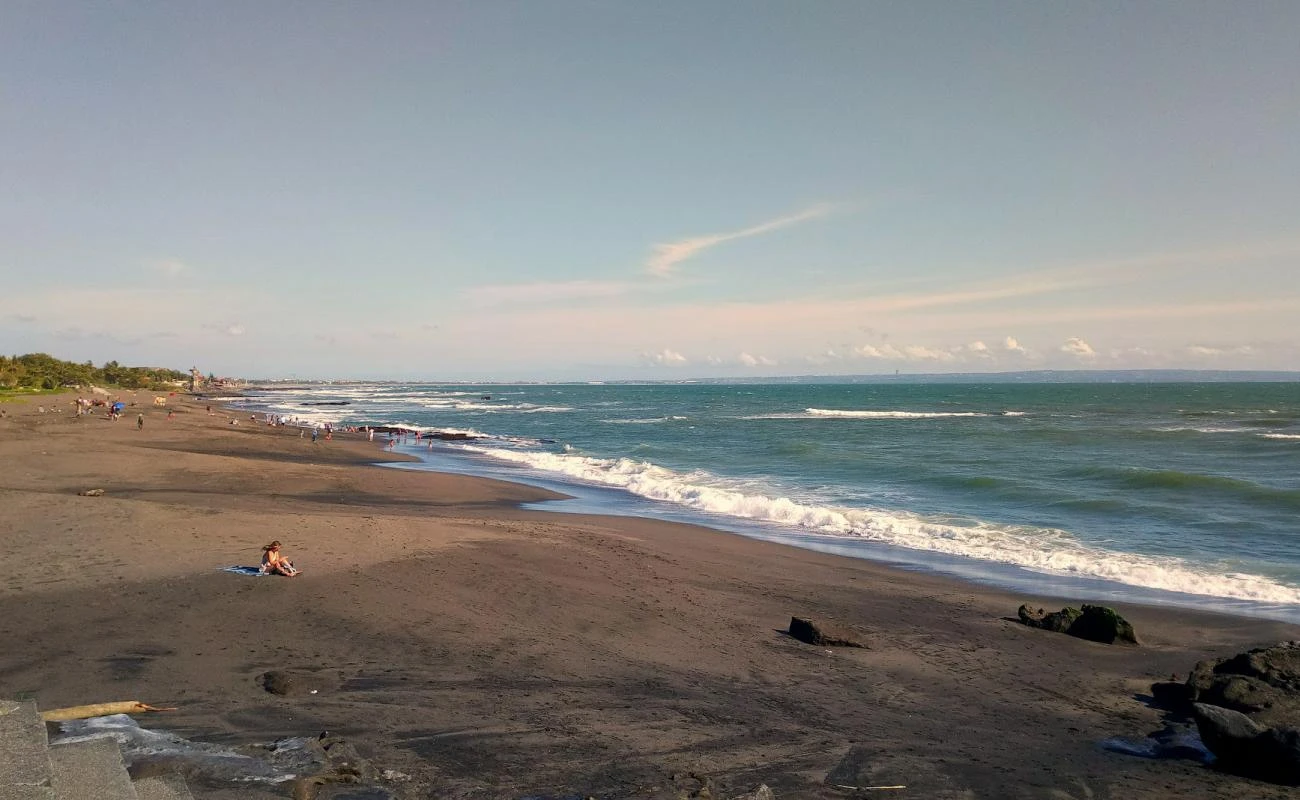
Munggu Beach is a black sand beach on Bali’s southwest coast, known mainly for its surf and sunset views.
Discover the best of Bali through curated articles and local tips.
We provide the informations for temple ceremony and other ceremony in Bali, such as: Galungan Day, Kunungan Day, Nyepi Day and the other
Balinese dance is inseparable from religion. A small offering of food and flowers must precede even dances for tourists. Before performing, many dancers pray at thei
The centerpiece of any Indonesian meal is steamed or boiled rice.Accompanying dishes include various preparations of chicken, duck, beef, goat, all kinds of seafood

Choose the tour packages category and book your tours in Bali complete in one touch

Provide choice adventure tours in Bali to make your holiday more fun and unforgetable

Decide your activities when in Bali and we provide the transportation services such as car charter, shuttle services, lembongan boat transfers, gili boat transfers or boat charter

Explore Bali's top attractions, cultural highlights, temple ceremonies, and local news in one place. Get the latest updates and essential travel information.

For your transportation from Ngurah Rai Bali Airport to your hotel or return.

Car charter with private driver, full AC comfortable vessels and professional drivers.

Fast boat service from Sanur or Serangan Bali to Jungut Batu Bay or Mushroom Bay Lembongan Island.

We accept payment online via PayPal or Indonesian Local Bank BRI, Mandiri or BCA