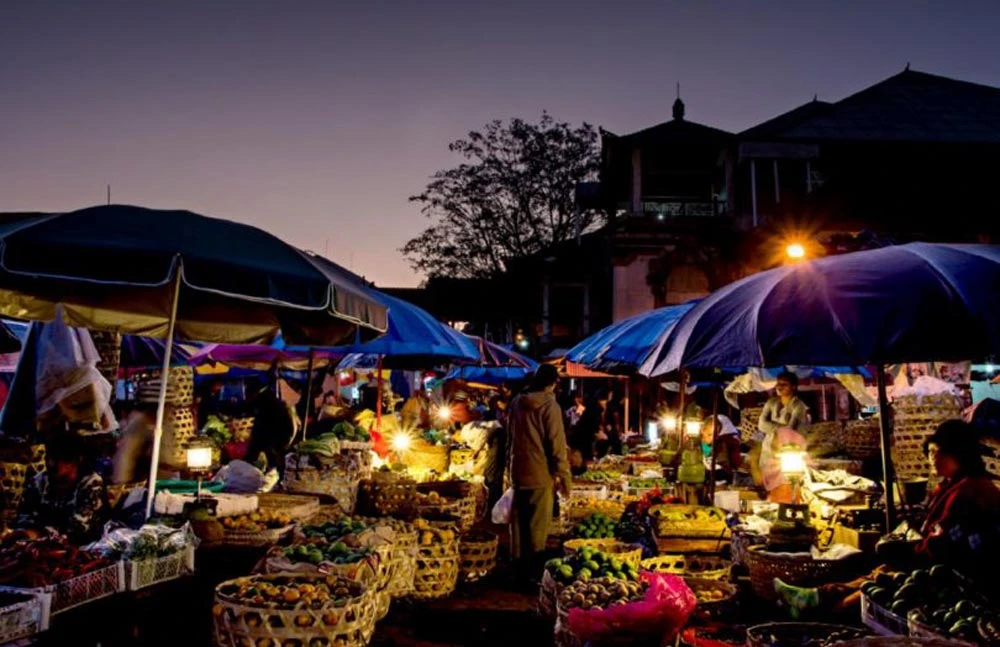
Gianyar Night Market: Food, Shopping, and Local Life
Gianyar Night Market, also known as Pasar Senggol Gianyar, is a popular night market in Bali where visitors can find a variety of local foods and everyday items.
 Tours around Bali paradise island
The sacred coastal monkey temple
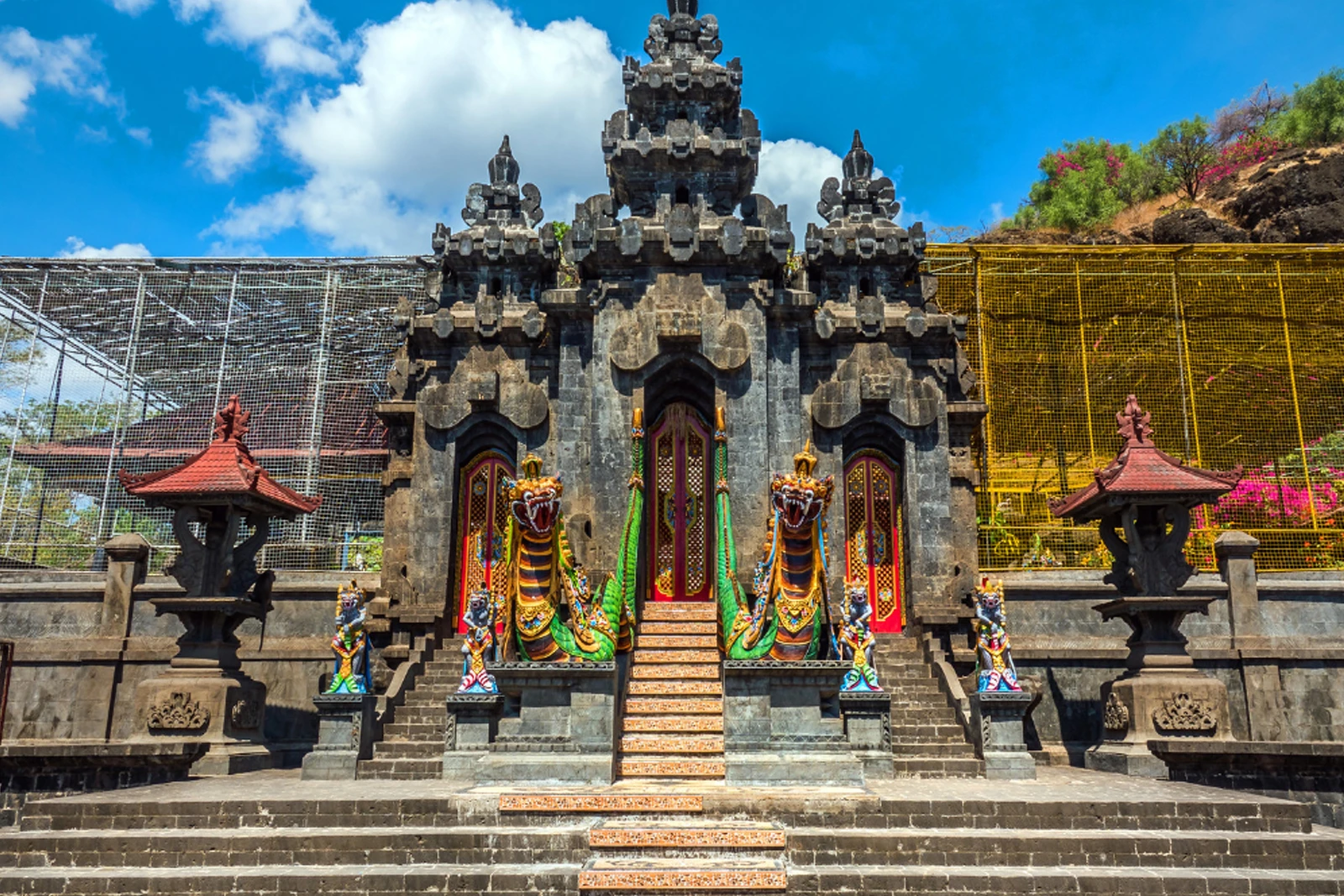
Pulaki Temple
Pulaki Temple is one of Bali’s sacred sea temples, set along the rugged north coast of the island. Also known as Pura Agung Pulaki or Pura Pulaki, it is part of a series of coastal temples believed to form a spiritual protective line around Bali. At the same time, the area is also known as a habitat for the rare Balinese starling, or Jalak Bali.
Pulaki Temple is located in Banyupoh Village, Gerokgak District, Buleleng Regency, along the Singaraja-Gilimanuk coastal road in North Bali. With rocky outcrops rising around the temple and the Bali Sea stretching out beyond them, Pulaki feels distinctly different from many of Bali’s better-known temples. For those making the trip to the north coast, it offers a quieter glimpse of the island’s spiritual side.
The Chair of the Balinese Cultural Study Group emphasized the enduring sacredness of Pulaki Temple, tracing its significance back to prehistoric times. The Balinese have traditionally regarded the temple as a holy site, following a belief system prevalent in the archipelago. Locals consider it both a palace for the gods and a sacred space for ancestral spirits, indicating its importance as a place of worship since ancient times. The temple’s establishment is rooted in honoring the Mountain God, a characteristic of prehistoric society, with its elevated structure symbolizing its heightened sacred value, in line with traditional worship practices in Bali.
Evidence supporting the ancient origins of Pulaki Temple can be found in the 1987 discovery of stone tools near Melanting Temple. These tools, including small stones and axes, point to the presence of worship facilities used by prehistoric people, resembling terraced buildings. Additionally, the temple’s strategic location in Pulaki Bay, with abundant freshwater springs, suggests that humans have frequented the area for centuries. The trade boats seeking water have marked this bustling trade activity in the Pulaki area. They hint at early trade practices and the likelihood of barter, possibly involving locally produced goods such as palm sugar.
The macaque monkeys at Pulaki Temple are not just a tourist attraction. They are believed to be the spiritual descendants of the original monkey guardians that led Dang Hyang Nirartha to this site centuries ago. This sacred status means they are respected and protected within the temple grounds.
The temple’s macaques are part of the scene. Some visitors recall gentle encounters; others warn they can be aggressive, especially if food or bags are visible. Keeping belongings secure and maintaining distance made their visits easier.
The area around Pulaki Temple is part of the habitat of the Balinese starling, or Jalak Bali, one of Bali’s most iconic and endangered birds. Its bright white feathers and distinctive blue skin around the eyes make it hard to miss if you’re lucky enough to spot one.
Conservation programs in nearby West Bali National Park have played an important role in protecting the species and supporting its recovery. While sightings around the temple are not guaranteed, visitors who take their time and keep an eye on the trees and shrubs may be lucky enough to catch a glimpse of this remarkable bird in the wild.
Dress modestly when visiting Pulaki Temple, with shoulders and knees covered. A sarong and sash are required inside the temple area and can usually be rented at the entrance. For a more comfortable and atmospheric visit, consider arriving early in the morning, when the air is cooler and the temple is quieter, or coming in the late afternoon, when the warm light creates beautiful views over the Bali Sea.
Keep an eye on your belongings around the temple’s resident monkeys. Avoid carrying food, wearing loose jewelry, or holding electronics within reach of the monkeys, and keep your bags securely closed. Most importantly, treat the temple as a place of worship: keep your voice down, follow the guidance of temple caretakers, and be especially respectful when prayers or offering ceremonies are taking place.
Explore the enchanting wonders of North Bali, including the majestic Gitgit, Sekumpul, Munduk, Carat, and Aling-Aling Waterfalls.
Combine your visit to Pulaki Temple with the Lovina Tour, West Bali National Park Tour, or other Bali Tour Packages to fully explore the wonders of North Bali. Contact our team to customize your itinerary and enjoy exclusive deals.
Gianyar Night Market, also known as Pasar Senggol Gianyar, is a popular night market in Bali where visitors can find a variety of local foods and everyday items.
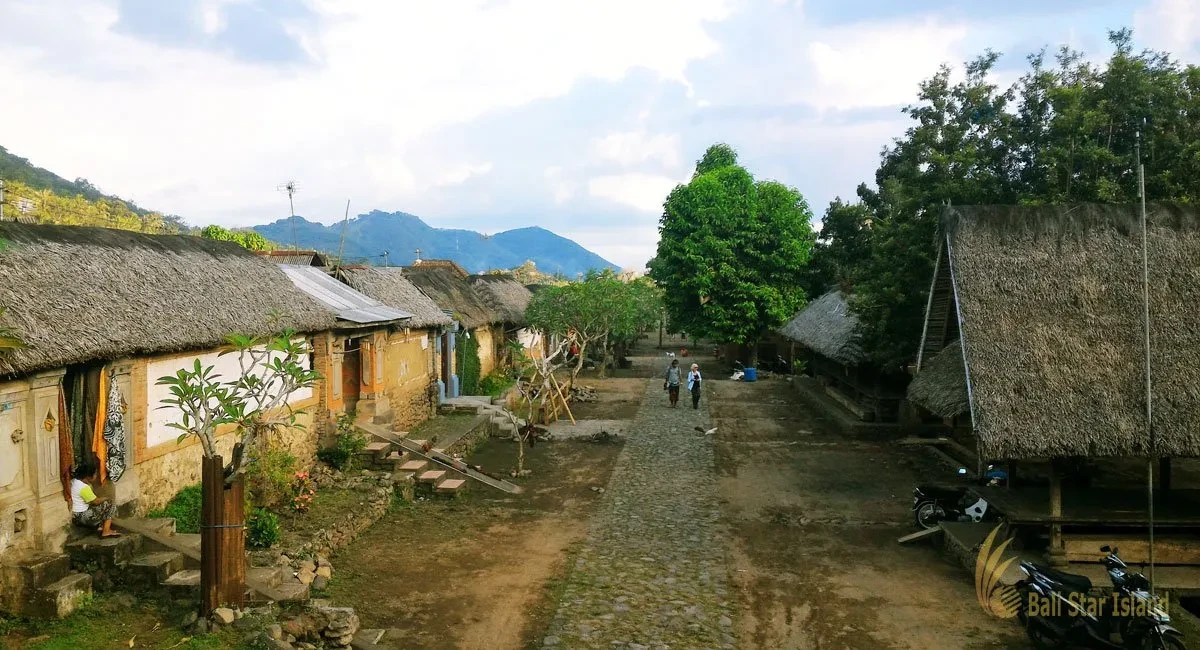
Tenganan, an ancient Balinese village in the island's eastern part, is a popular tourist destination for those who love exploring local culture.
Bengkala Village offers a unique cultural experience in Bali, known for its distinctive sign language, Kata Kolok, and the harmonious relationship between deaf and hearing residents.
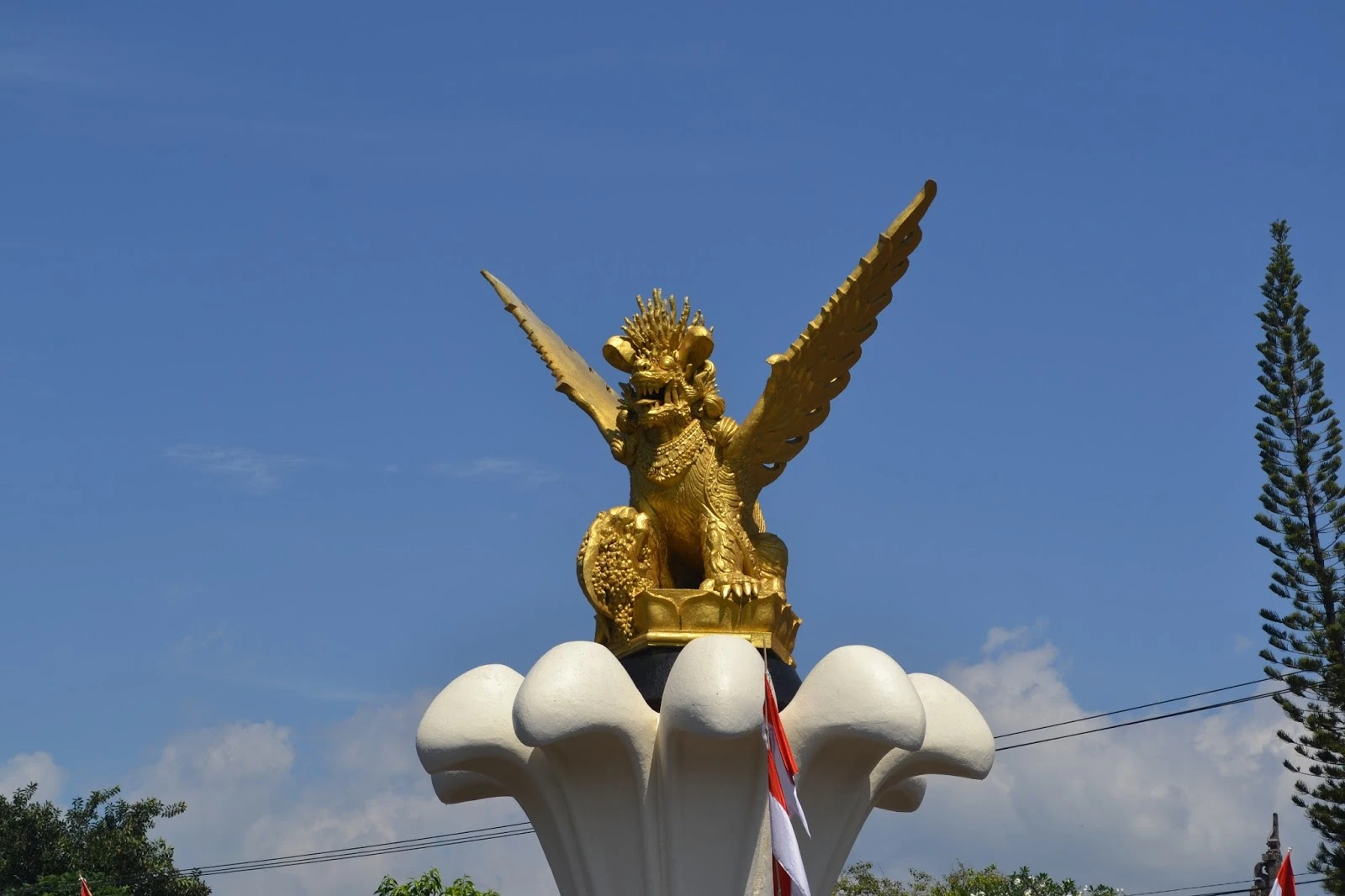
Singaraja is Bali’s second-largest city and the historic capital of the island’s north, but it rarely gets the attention it deserves. While most visitors head south to the beaches and busy resorts.
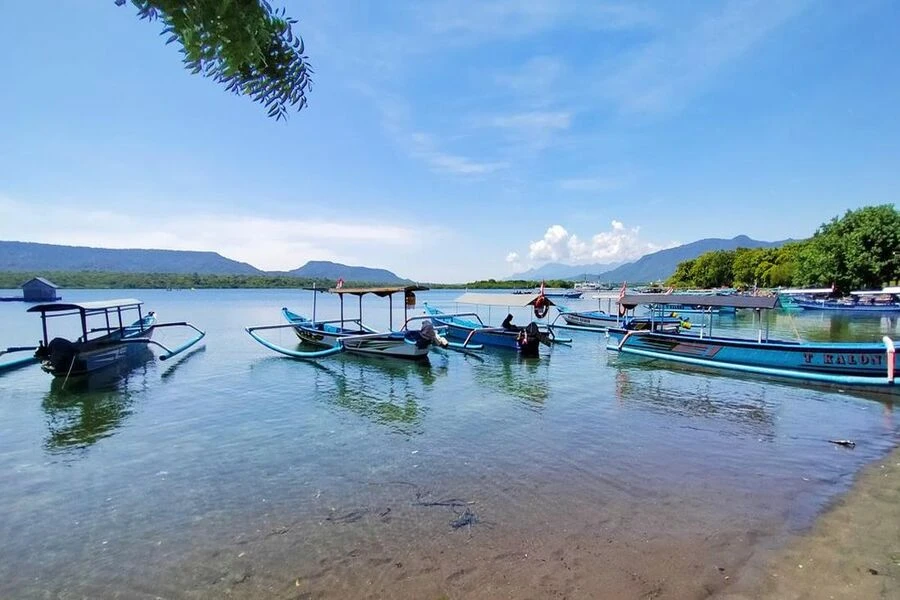
Gilimanuk Bay is a popular tourist destination in Bali, attracting visitors on weekdays and holidays. The bay offers scenic views and a different afternoon atmosphere.
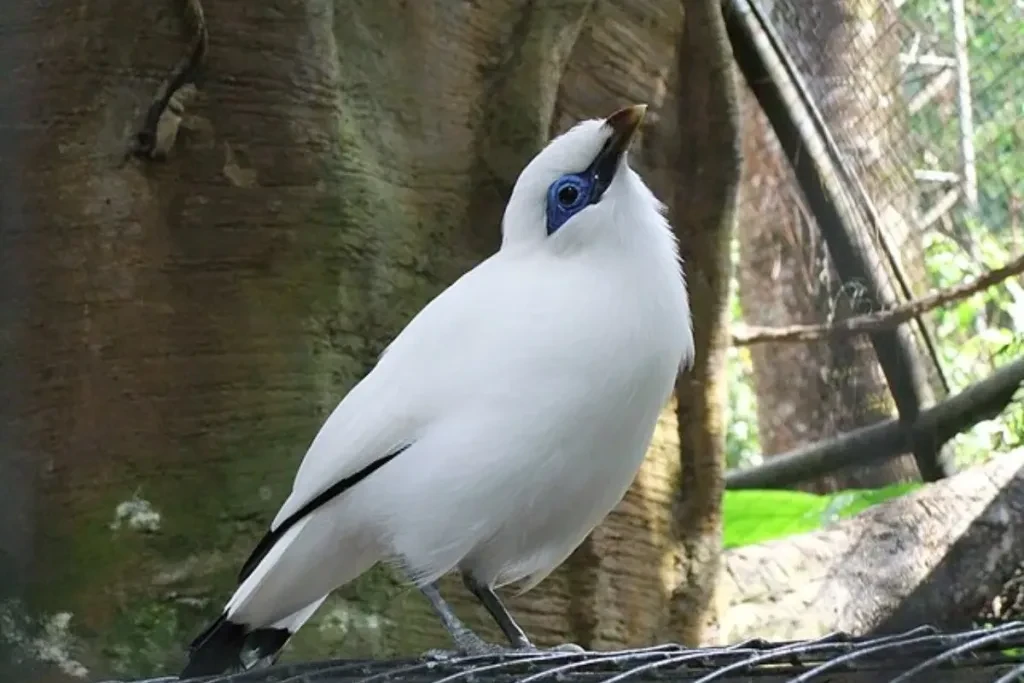
The Bali Starling is one of Indonesia’s most unique and endangered birds. This beautiful bird is native to Bali and has become an important symbol of the island’s conservation.
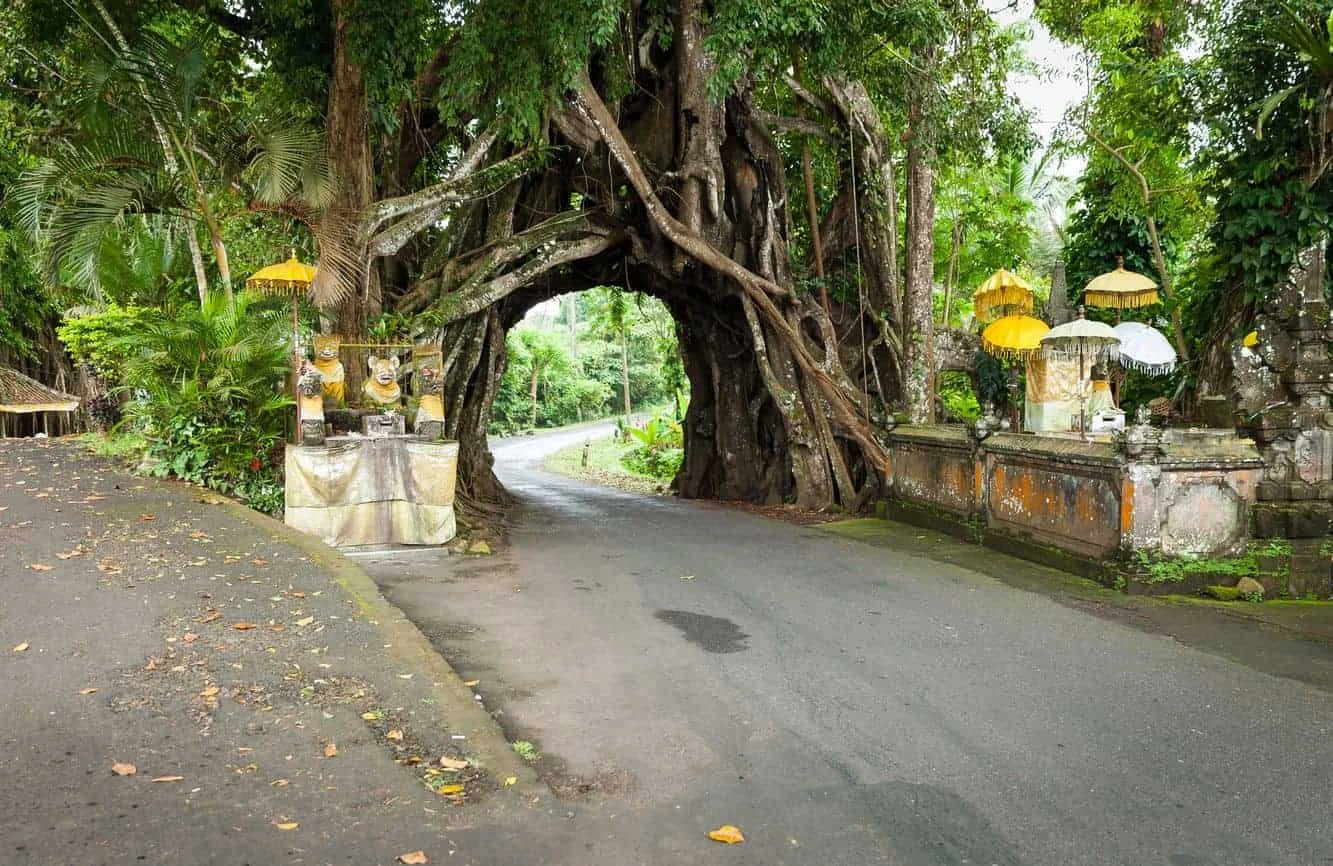
Bunut Bolong in West Bali is a unique banyan tree landmark in Jembrana, known for its natural tunnel, local traditions, and cultural significance.
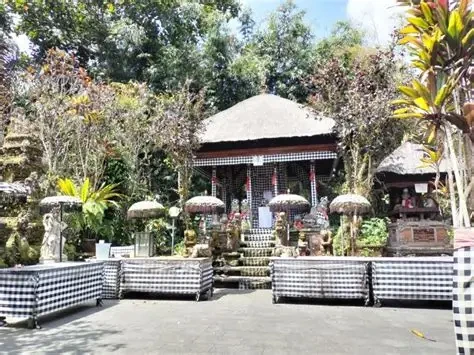
Tamba Waras is a temple in Tabanan known for its healing traditions and melukat ritual, set in the forested slopes of Mount Batukaru.
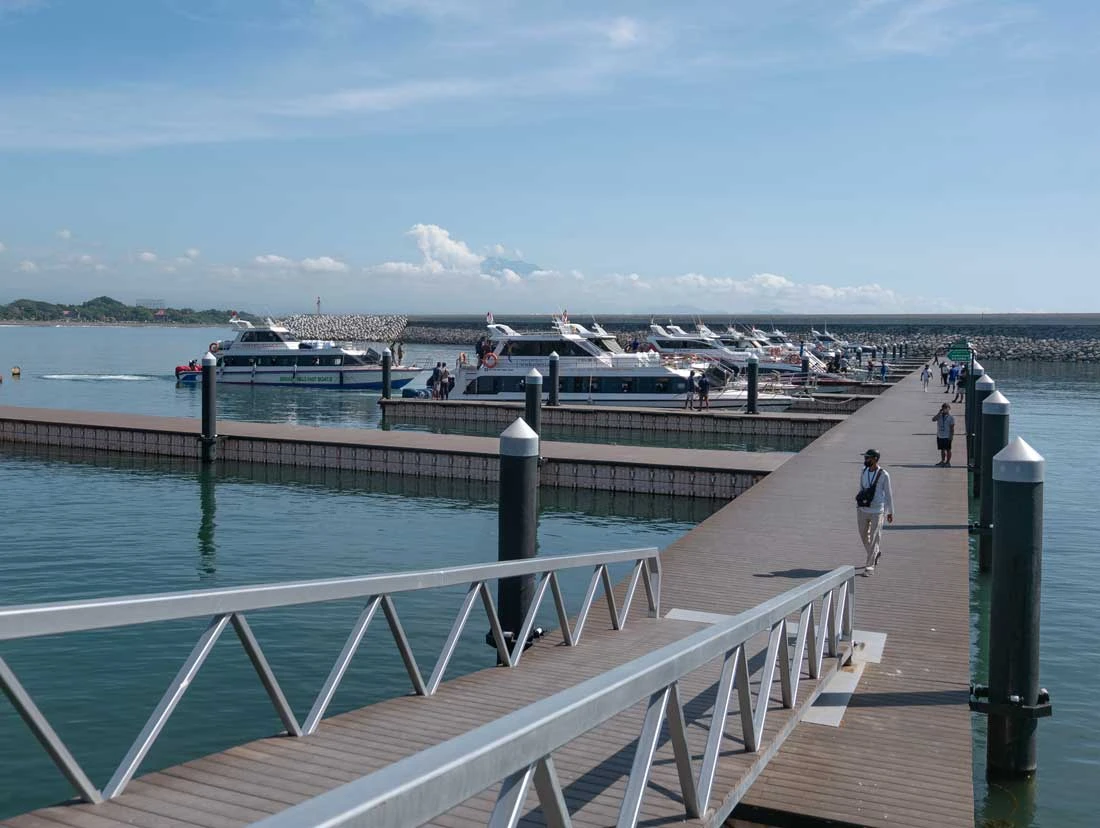
Sanur Harbor is a convenient gateway for traveling by fast boat or ferry to Nusa Penida, Nusa Lembongan, Nusa Ceningan, the Gili Islands, and Lombok.
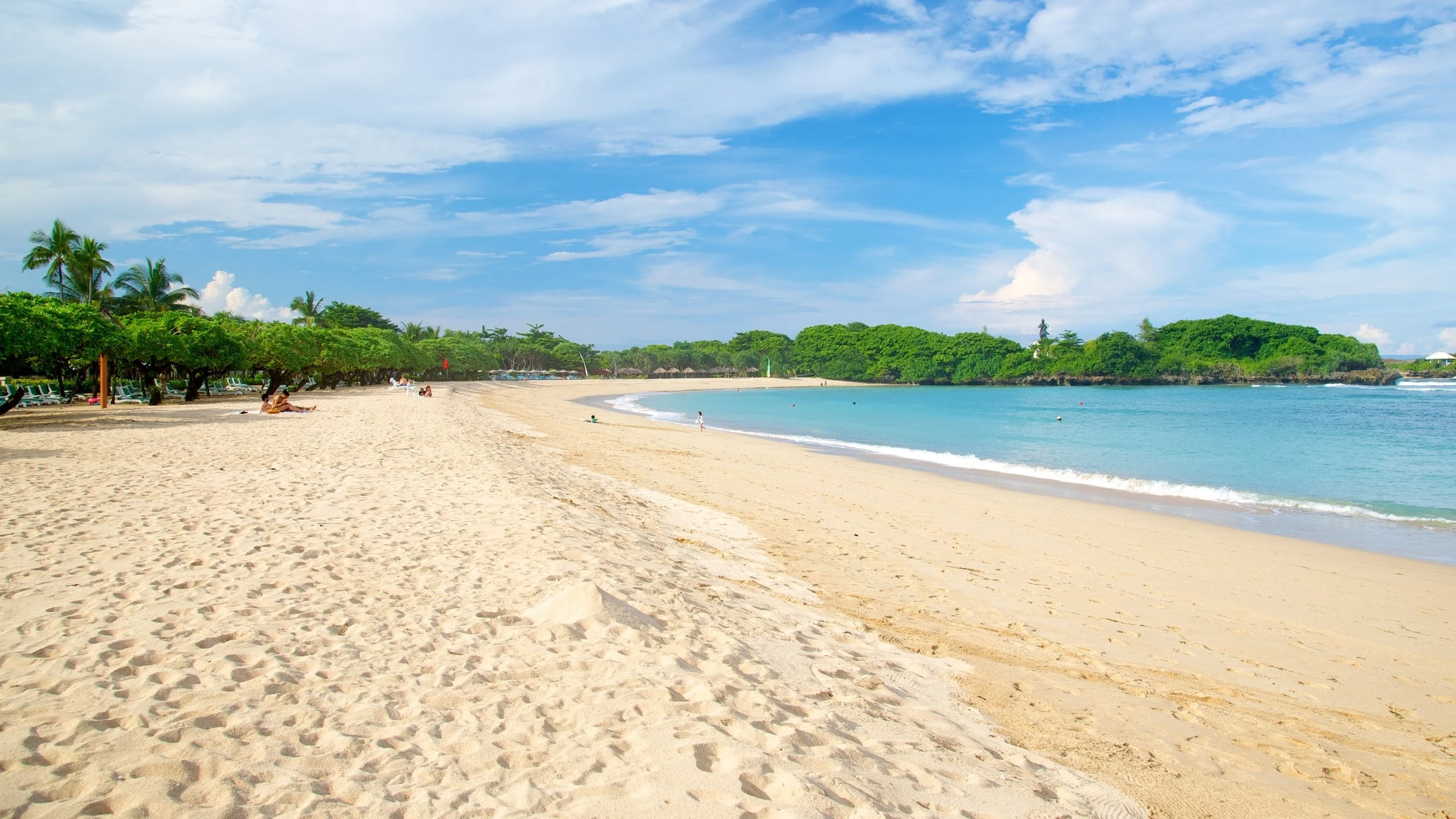
Nusa Dua is one of Bali’s popular areas for staying, known for its beaches, resorts, restaurants, and family-friendly attractions.
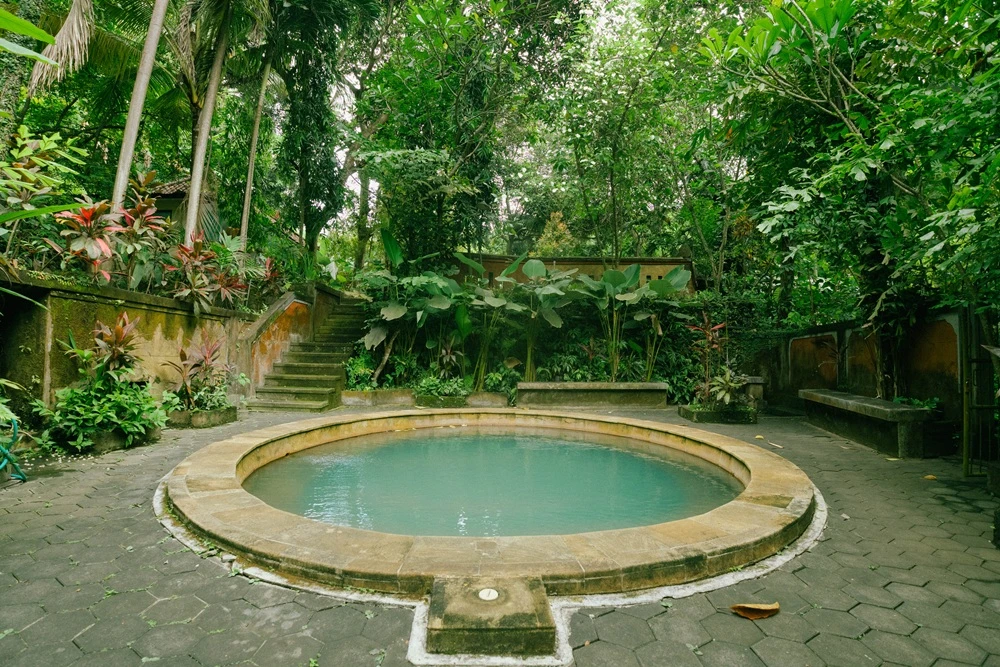
Banjar Hot Water Spring in North Bali offers sulfur-rich hot spring pools, relaxing showers, and a refreshing bathing experience near Singaraja.
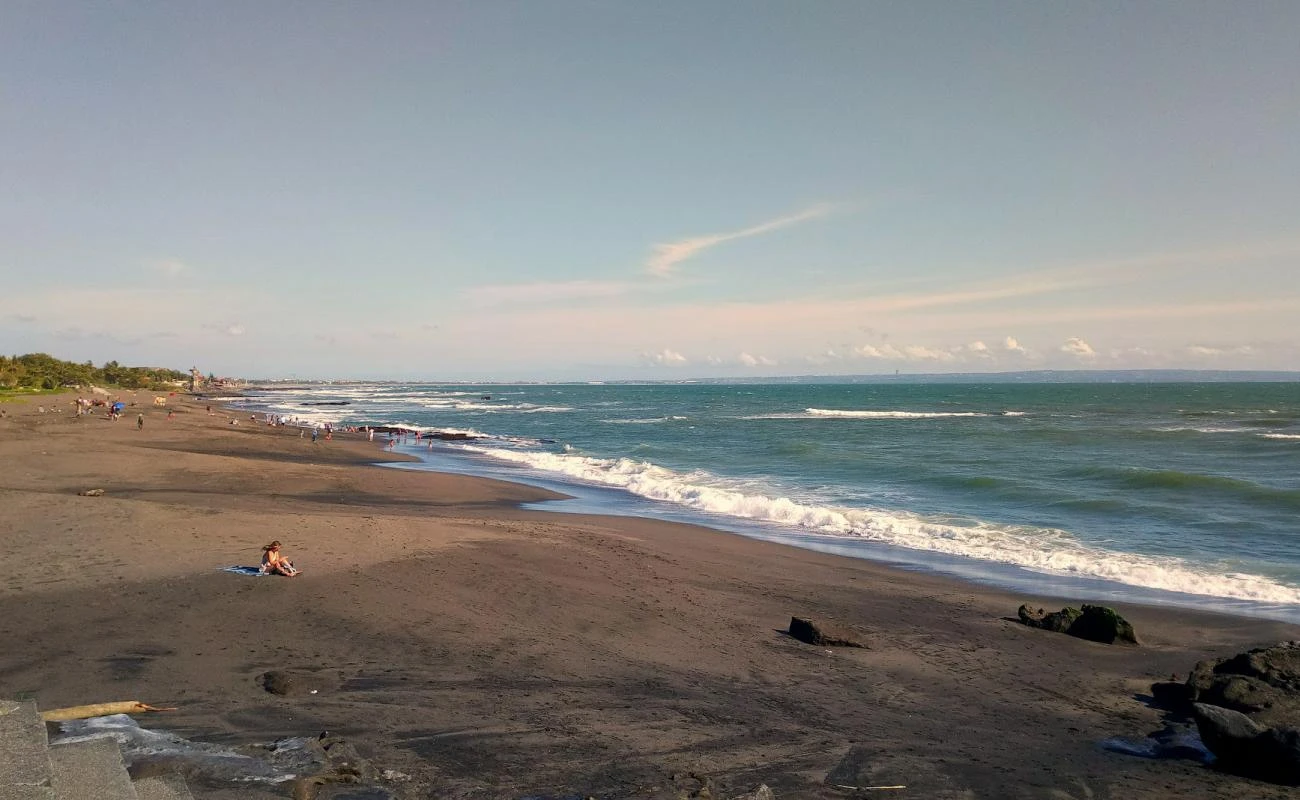
Munggu Beach is a black sand beach on Bali’s southwest coast, known mainly for its surf and sunset views.
Discover the best of Bali through curated articles and local tips.
We provide the informations for temple ceremony and other ceremony in Bali, such as: Galungan Day, Kunungan Day, Nyepi Day and the other
Balinese dance is inseparable from religion. A small offering of food and flowers must precede even dances for tourists. Before performing, many dancers pray at thei
The centerpiece of any Indonesian meal is steamed or boiled rice.Accompanying dishes include various preparations of chicken, duck, beef, goat, all kinds of seafood

Choose the tour packages category and book your tours in Bali complete in one touch

Provide choice adventure tours in Bali to make your holiday more fun and unforgetable

Decide your activities when in Bali and we provide the transportation services such as car charter, shuttle services, lembongan boat transfers, gili boat transfers or boat charter

Explore Bali's top attractions, cultural highlights, temple ceremonies, and local news in one place. Get the latest updates and essential travel information.

For your transportation from Ngurah Rai Bali Airport to your hotel or return.

Car charter with private driver, full AC comfortable vessels and professional drivers.

Fast boat service from Sanur or Serangan Bali to Jungut Batu Bay or Mushroom Bay Lembongan Island.

We accept payment online via PayPal or Indonesian Local Bank BRI, Mandiri or BCA