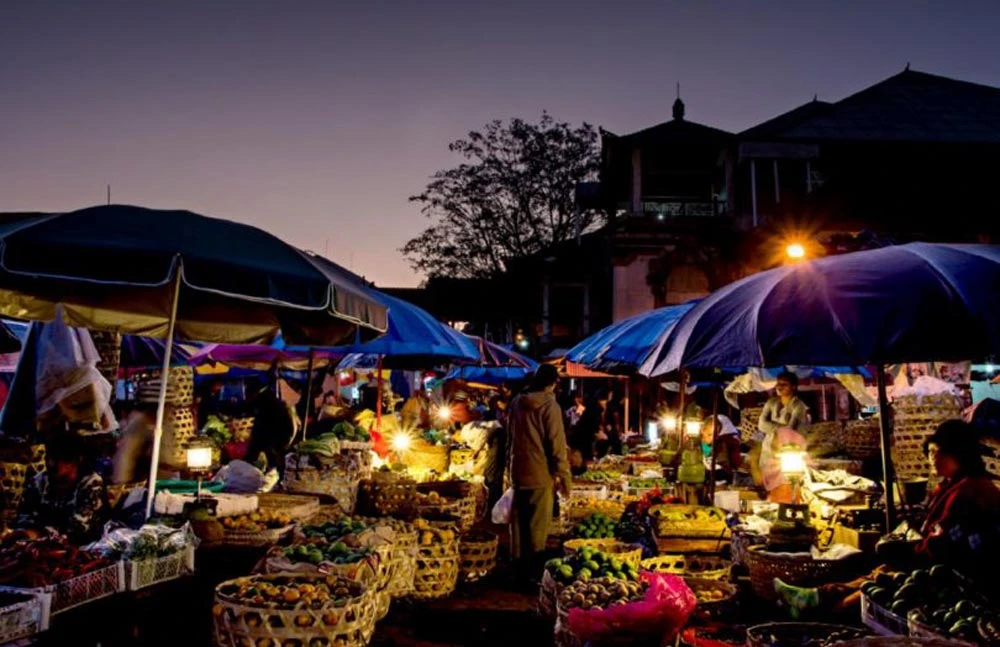
Gianyar Night Market: Food, Shopping, and Local Life
Gianyar Night Market, also known as Pasar Senggol Gianyar, is a popular night market in Bali where visitors can find a variety of local foods and everyday items.
 Tours around Bali paradise island
Explore Ubud Through Art and Local Craft
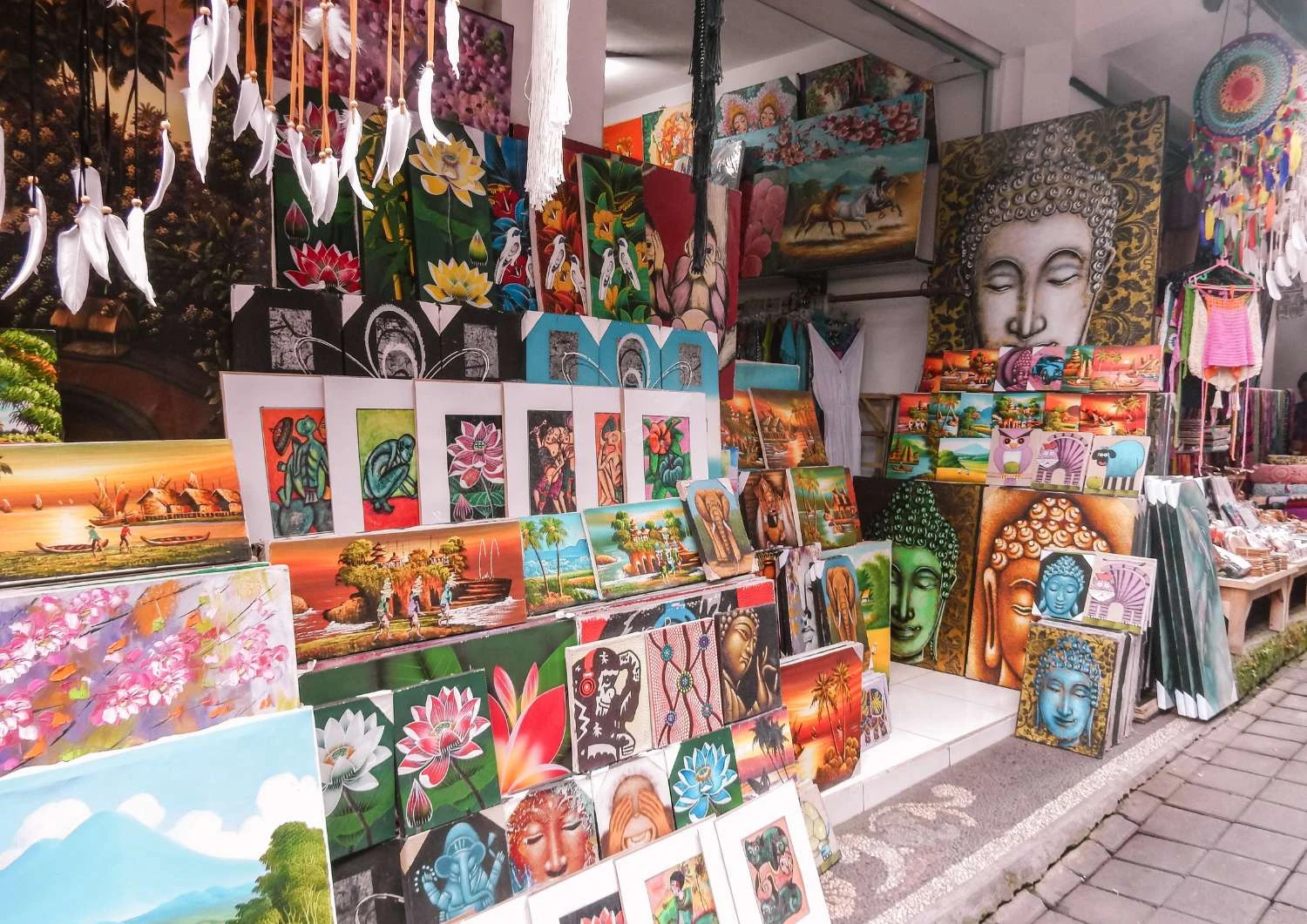
Balinese Craft Showcase
The Ubud Art Market should be on your list of the best things to do in Ubud. Located in the center of Ubud, the traditional Ubud market offers tourists the best shopping experience. Here you can buy all the good things for souvenirs or everyday use. You can find all kinds of goods, such as beautiful shirts with bintang signs, barongs, masks, silk scarves, statues, kites, handmade woven bags, baskets, hats, and many other handcrafted goods.
Ubud is known as one of Bali's art villages. Ubud’s local people always create art products that are competitive with other areas in Bali. Besides Ubud itself, the products you may have seen come from the surrounding art villages. The art villages around Ubud include Gentong, Sapat, Petulu, Sukawati, Mas, and Tengkulak.
Ubud Market has existed since ancient times, dating back to the construction of the Ubud Palace. It was around the 1800s, when Ida Tjokorde Kandel was the King of Ubud. For the welfare of the people around Ubud, the Ubud Market was built. In the past, the system used was barter, and since adopting currency, the payment system in this market uses currency as the medium of exchange. Since the first wave of tourists, brought by Tjokorde Agung Sukawati, visited the village of Ubud, this Ubud market has grown from initially selling household necessities to selling various handicrafts for tourists. Still, its function remains what it was originally.
It is a place for local Ubud residents to buy and sell necessities and everyday items. And the Ubud market, originally a traditional market, has gradually evolved into an art market selling a variety of artistic goods to tourists.
Shopping is one of the main reasons to visit Ubud Art Market, with plenty of local products to browse, including hand-painted sarongs and batik fabrics, leather goods, paintings, and wood carvings. Take your time walking through the stalls and looking at the details of each item, many of which reflect traditional Balinese craftsmanship. If you find something you like, bargaining is part of the shopping experience, so don’t be afraid to negotiate with the seller.
The market is also a good place to experience everyday Balinese culture beyond just shopping. You’ll see colorful displays, meet local vendors, and get a closer look at the work of Balinese artisans. The lively setting also gives you plenty of opportunities to take photos, whether it’s the market stalls, traditional artwork, or the surrounding streets of Ubud.
The market is open daily from 08:00 to 18:00, and some stalls are open until late at night. The market is divided into two main allotments. The western block is the main art market, and the eastern block is a traditional market serving daily groceries and necessities.
The entrance fee for Ubud Art Market is free. The parking fee for a motorcycle or scooter is IDR 2000, and parking is located in the market's basement. For those who are driving, the parking fee is IDR 10.000 and is available at Ubud Central Parking.
For a more comfortable visit to Ubud Art Market, come around 8:00–10:00 AM. At this time, the market is not as busy as later in the day, so you can look around without having to move through crowded stalls. The cooler morning temperature also makes walking and shopping easier, and you may have more room to negotiate prices with sellers. If you want to shop at your own pace, getting there in the morning is a good choice.
Visiting Ubud Art Market during the rainy season is still possible, as the market remains open daily, but it helps to come prepared. Bring a light rain jacket or umbrella, especially if you plan to spend time walking around the market. Some stalls may close earlier when it rains heavily, and the paths can become slippery, so take a little extra care when moving between stalls.
When you visit Ubud Market, you can easily explore several of Ubud’s cultural spots on foot. Ubud Palace is located directly across from the market, making it a convenient place to visit after browsing the stalls. From there, you can walk west for around four minutes to reach Saraswati Temple, known for its beautiful lotus pond. Continue west for about ten minutes, and you’ll find Gung Lebah Temple, tucked beneath the bridge. If you’re looking for a little more nature, Ubud Monkey Forest is around a 15-minute walk south from the market.
For a more adventurous experience, you can head to Ubud ATV and Rafting, which takes roughly 15 minutes by car or motorbike from the market, depending on traffic. So, whether you want to experience Balinese culture, take a relaxing walk, or add some adventure to your day, you can easily combine these places into your Ubud itinerary.
Experience the art, culture, and local charm of Ubud? Choose your holiday package with Seeing Bali and add Ubud Art Market to your Bali journey!
Gianyar Night Market, also known as Pasar Senggol Gianyar, is a popular night market in Bali where visitors can find a variety of local foods and everyday items.
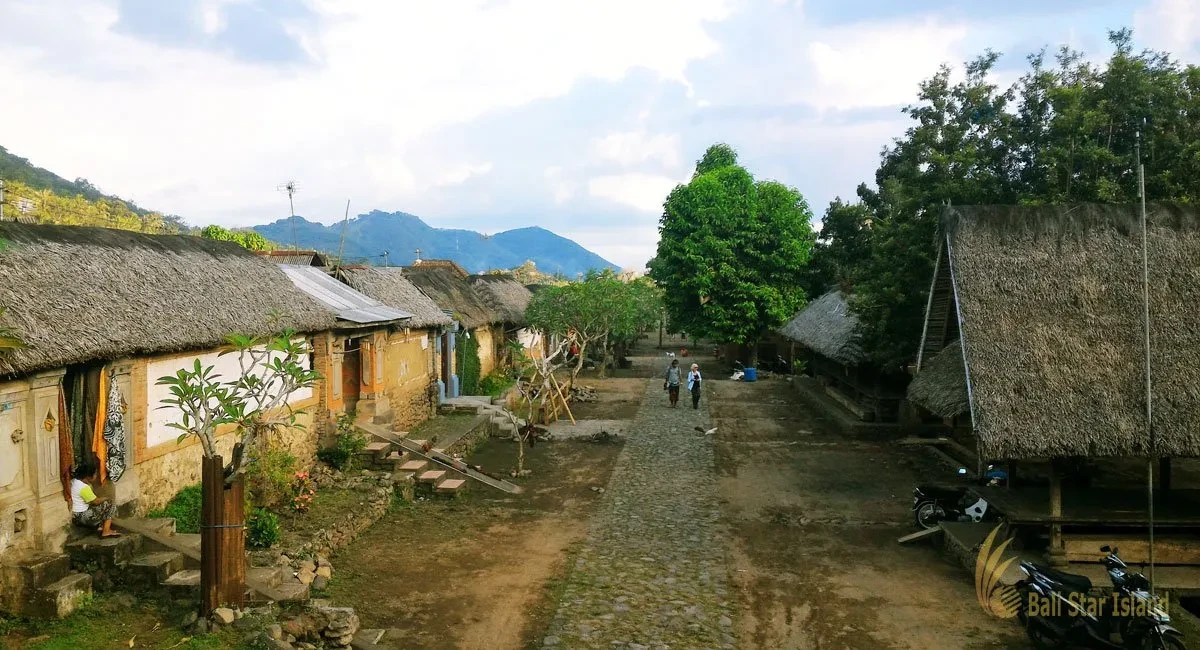
Tenganan, an ancient Balinese village in the island's eastern part, is a popular tourist destination for those who love exploring local culture.
Bengkala Village offers a unique cultural experience in Bali, known for its distinctive sign language, Kata Kolok, and the harmonious relationship between deaf and hearing residents.
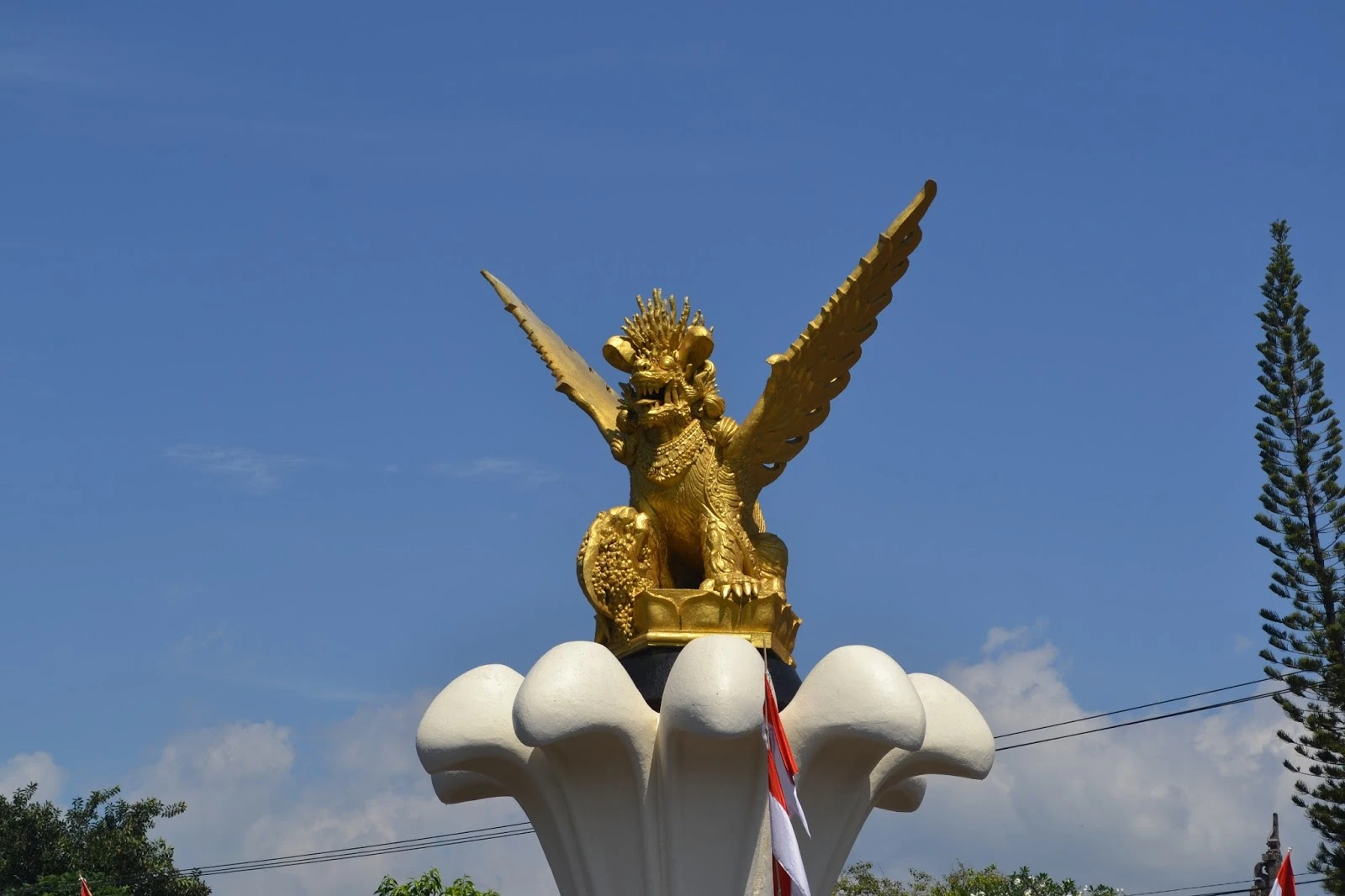
Singaraja is Bali’s second-largest city and the historic capital of the island’s north, but it rarely gets the attention it deserves. While most visitors head south to the beaches and busy resorts.
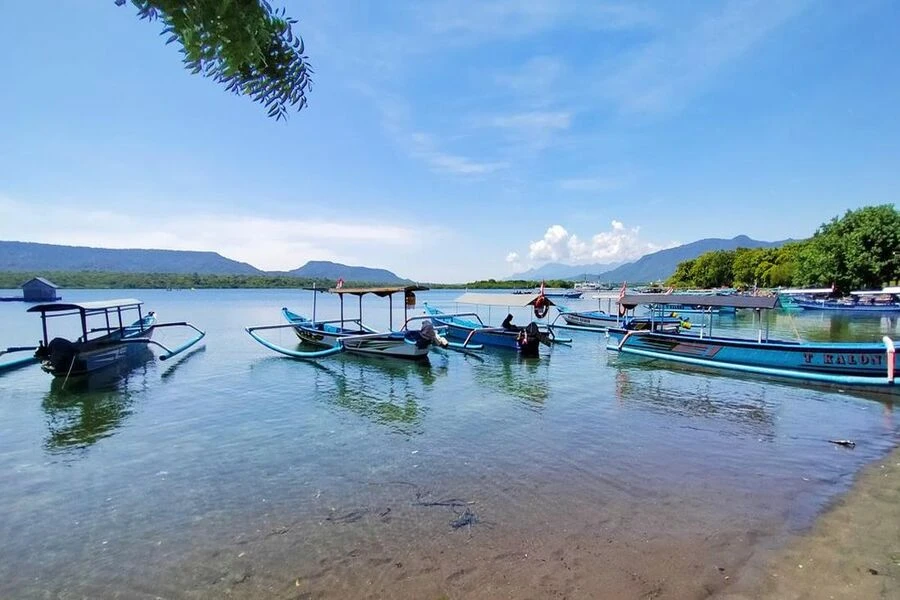
Gilimanuk Bay is a popular tourist destination in Bali, attracting visitors on weekdays and holidays. The bay offers scenic views and a different afternoon atmosphere.
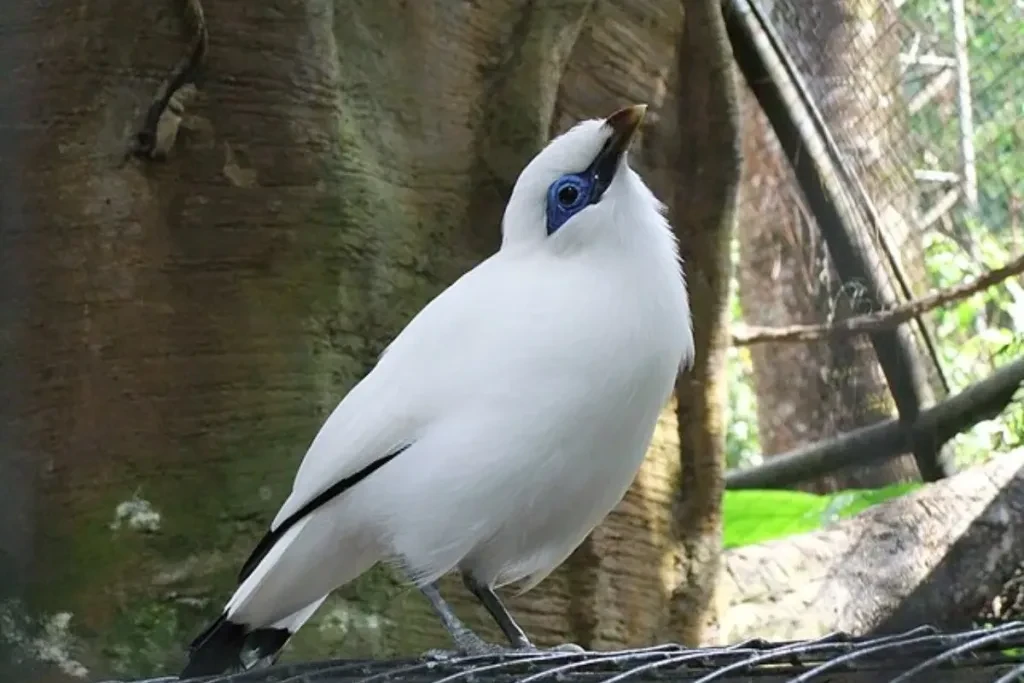
The Bali Starling is one of Indonesia’s most unique and endangered birds. This beautiful bird is native to Bali and has become an important symbol of the island’s conservation.
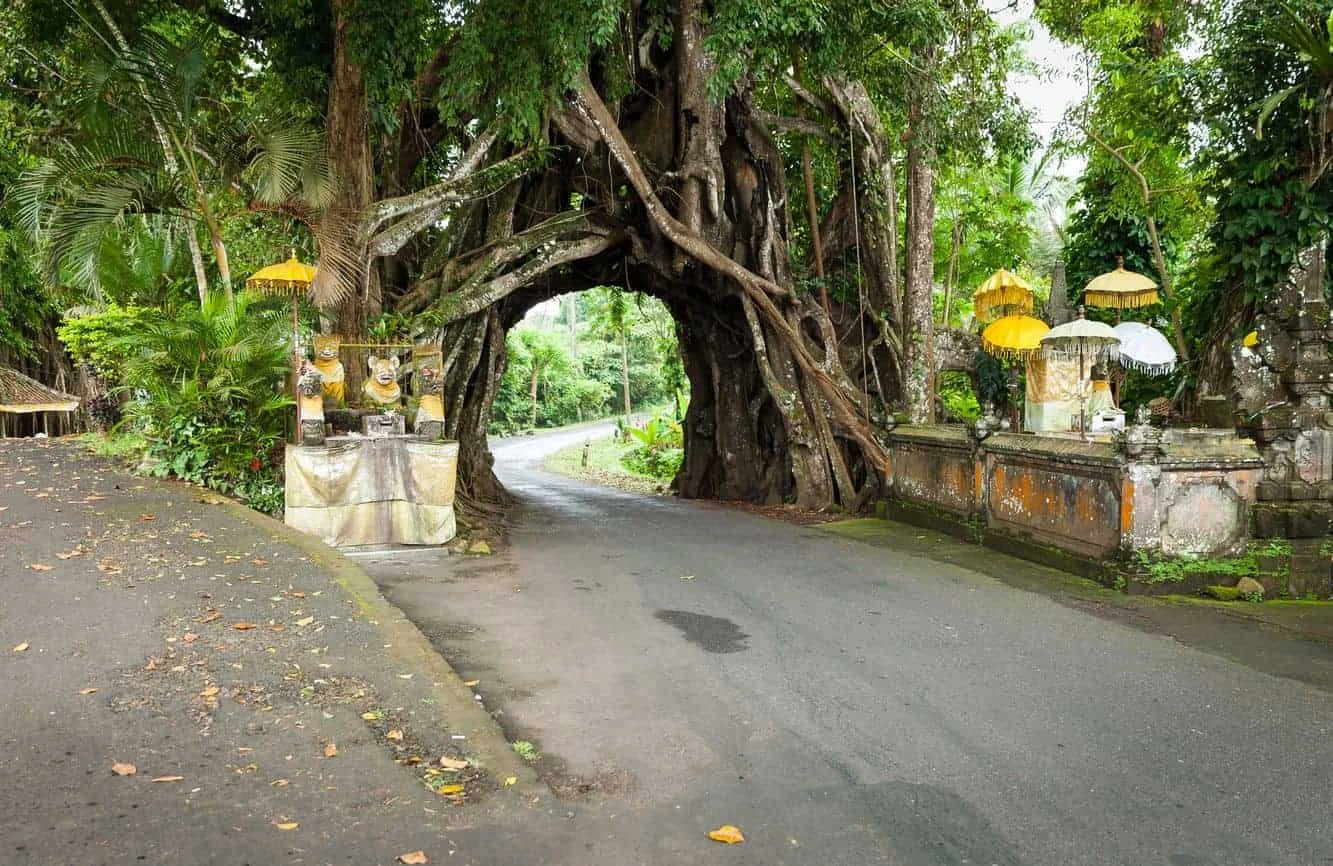
Bunut Bolong in West Bali is a unique banyan tree landmark in Jembrana, known for its natural tunnel, local traditions, and cultural significance.
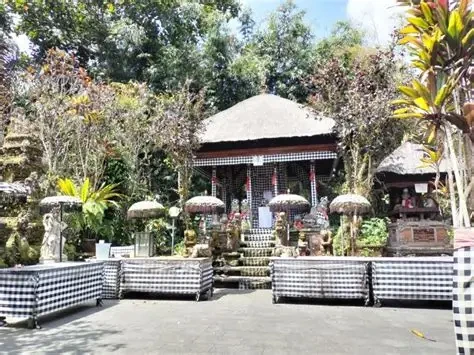
Tamba Waras is a temple in Tabanan known for its healing traditions and melukat ritual, set in the forested slopes of Mount Batukaru.
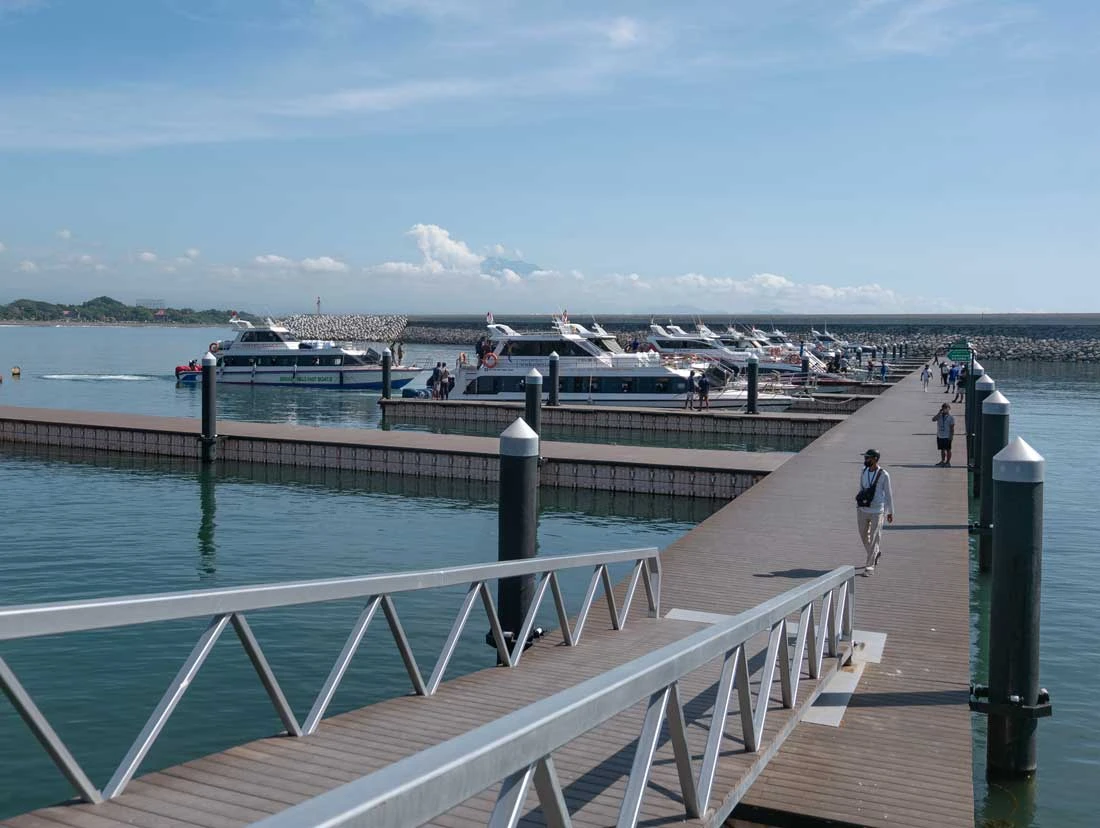
Sanur Harbor is a convenient gateway for traveling by fast boat or ferry to Nusa Penida, Nusa Lembongan, Nusa Ceningan, the Gili Islands, and Lombok.
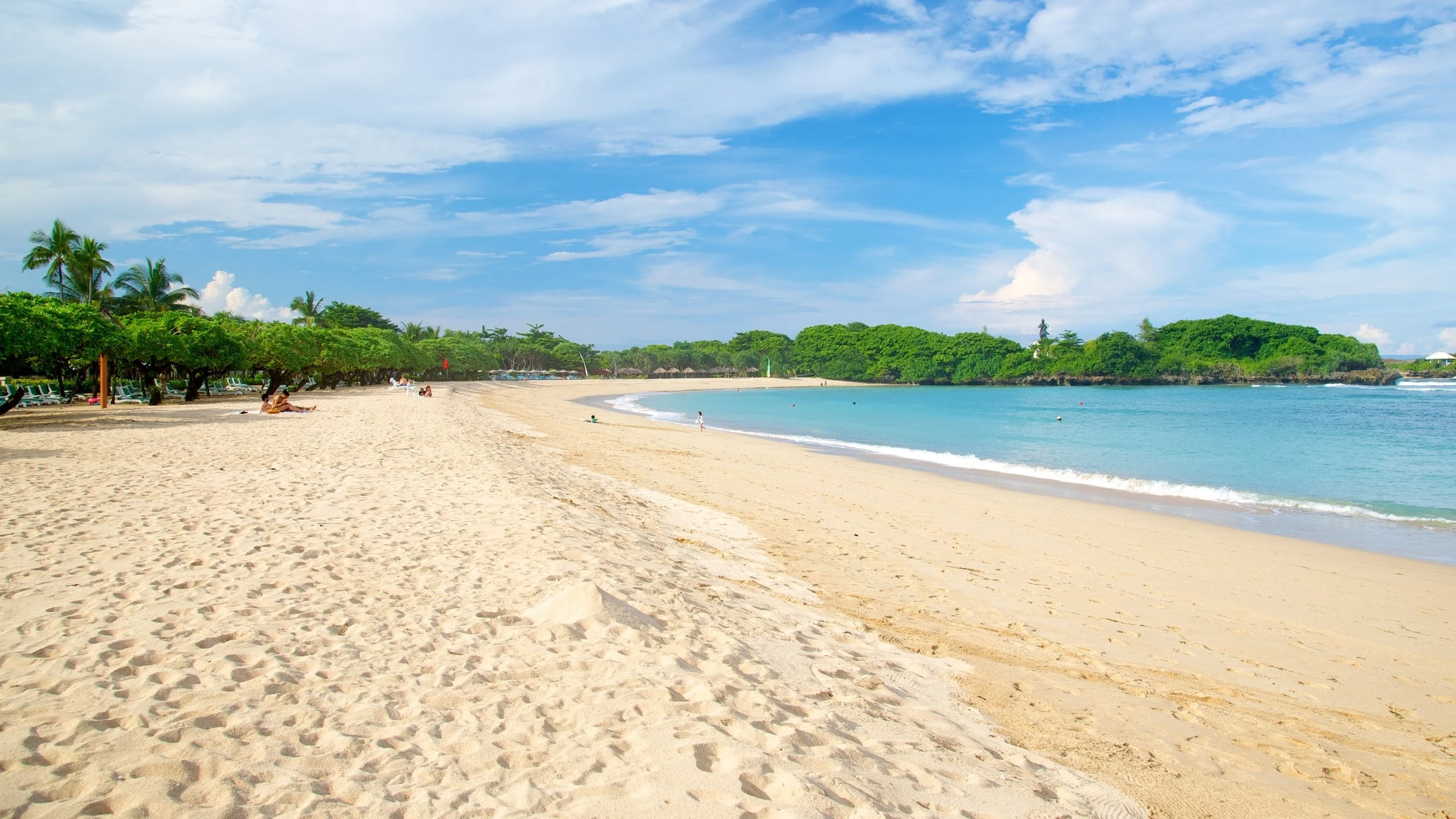
Nusa Dua is one of Bali’s popular areas for staying, known for its beaches, resorts, restaurants, and family-friendly attractions.
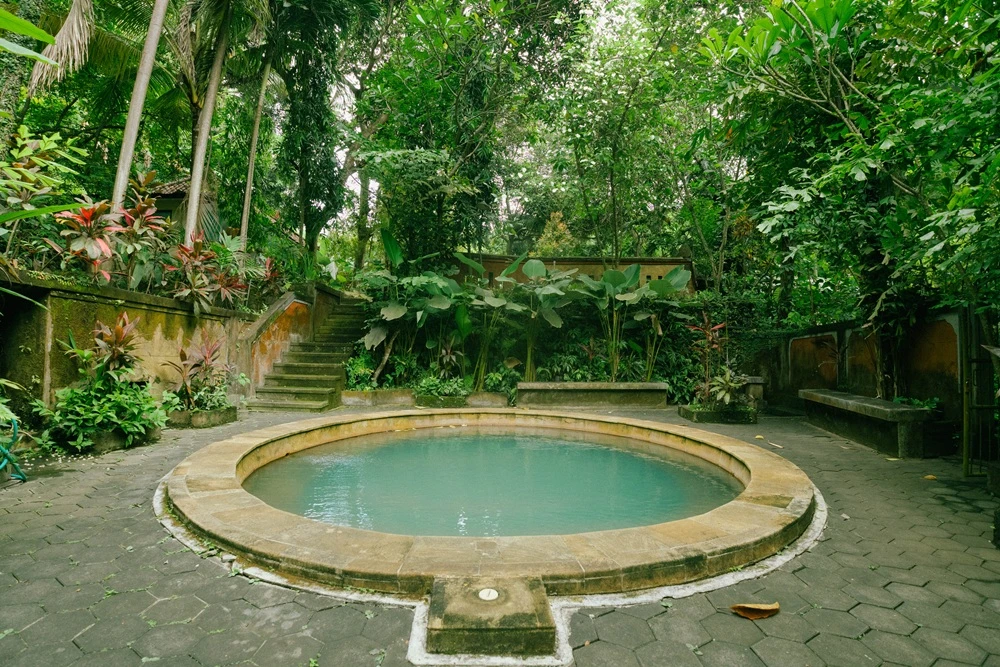
Banjar Hot Water Spring in North Bali offers sulfur-rich hot spring pools, relaxing showers, and a refreshing bathing experience near Singaraja.
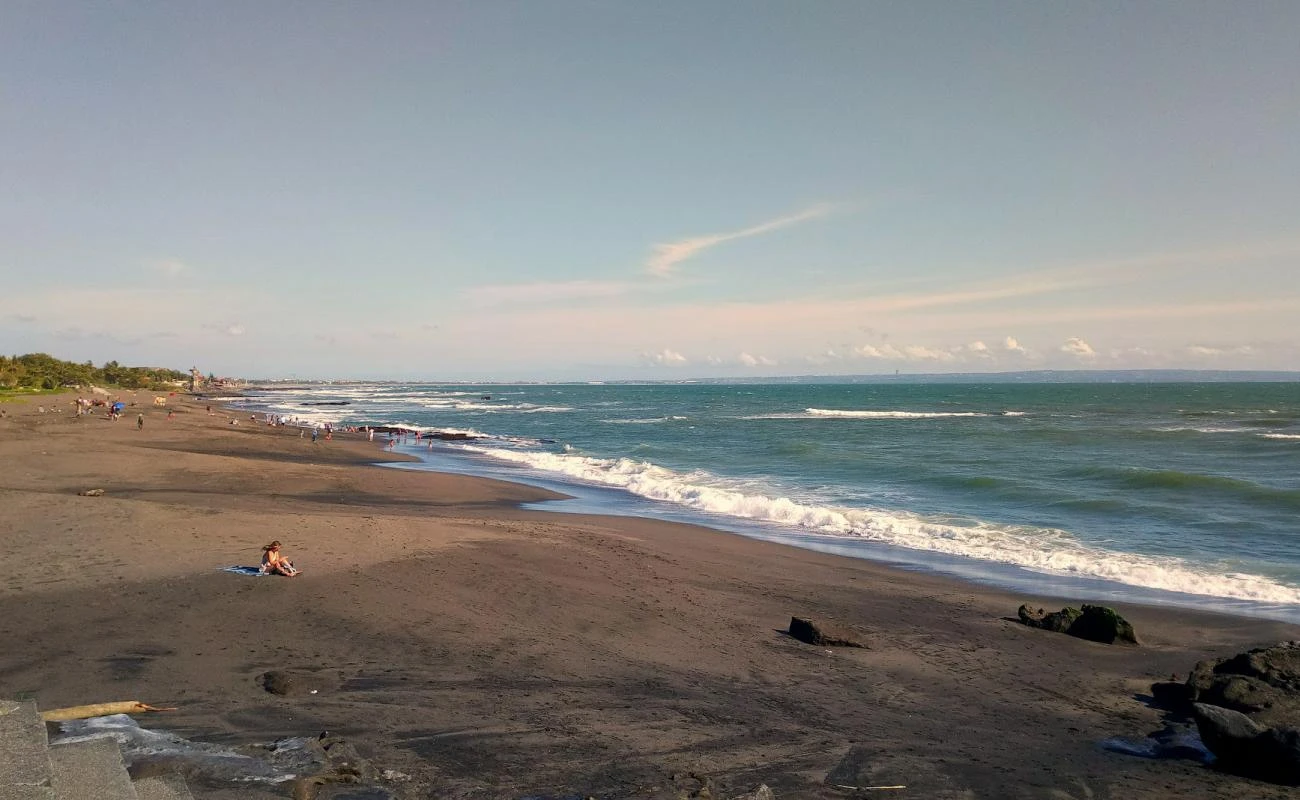
Munggu Beach is a black sand beach on Bali’s southwest coast, known mainly for its surf and sunset views.
Discover the best of Bali through curated articles and local tips.
We provide the informations for temple ceremony and other ceremony in Bali, such as: Galungan Day, Kunungan Day, Nyepi Day and the other
Balinese dance is inseparable from religion. A small offering of food and flowers must precede even dances for tourists. Before performing, many dancers pray at thei
The centerpiece of any Indonesian meal is steamed or boiled rice.Accompanying dishes include various preparations of chicken, duck, beef, goat, all kinds of seafood

Choose the tour packages category and book your tours in Bali complete in one touch

Provide choice adventure tours in Bali to make your holiday more fun and unforgetable

Decide your activities when in Bali and we provide the transportation services such as car charter, shuttle services, lembongan boat transfers, gili boat transfers or boat charter

Explore Bali's top attractions, cultural highlights, temple ceremonies, and local news in one place. Get the latest updates and essential travel information.

For your transportation from Ngurah Rai Bali Airport to your hotel or return.

Car charter with private driver, full AC comfortable vessels and professional drivers.

Fast boat service from Sanur or Serangan Bali to Jungut Batu Bay or Mushroom Bay Lembongan Island.

We accept payment online via PayPal or Indonesian Local Bank BRI, Mandiri or BCA