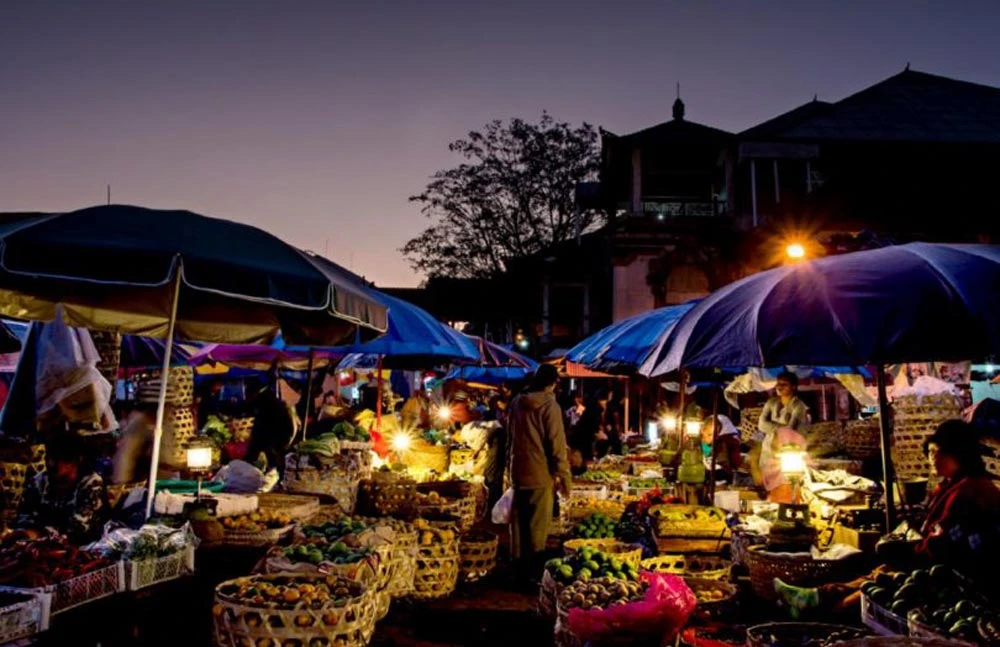
Gianyar Night Market: Food, Shopping, and Local Life
Gianyar Night Market, also known as Pasar Senggol Gianyar, is a popular night market in Bali where visitors can find a variety of local foods and everyday items.
 Tours around Bali paradise island
Bengkala Village Embracing Diversity Through Sign Language
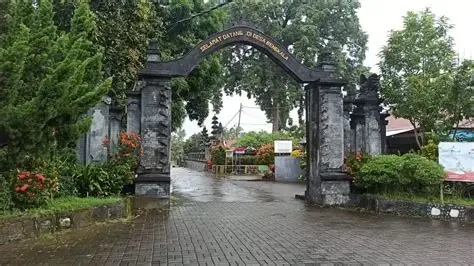
Bangkala Village
When people talk about Bali, it’s usually about its breathtaking nature, rich culture, or the warmth of its people. But beyond the beauty and charm, Bali holds a unique and heartwarming secret: a place known as the Deaf Village. Officially called Desa Bengkala, this village is often referred to as Desa Kolok, from the Balinese word Kolok, meaning “deaf.”
Bengkala Village is welcoming, and the deaf and hearing communities live happily alongside each other—people who are deaf or hard of hearing communicate with other deaf people using a local sign language known as Kolok. Among Bengkala Village’s approximately 3,000 residents, some are born deaf, making its inclusive community and unique sign language truly remarkable.
Kata Kolok is a unique sign language that reflects the creativity and resilience of the Bengkala Village community. Developed through generations of interaction between deaf and hearing residents, it has become a shared language that connects people regardless of their hearing abilities.
The development of Kata Kolok relied on the cooperation of both deaf and hearing community members. Deeply rooted in local culture and traditions, the language reflects the village’s history and way of life, making it an important part of Bengkala’s cultural identity.
Today, Kata Kolok is used in everyday communication by residents of different ages, both deaf and hearing. More than just a language, it represents the village’s strong sense of community, inclusivity, and cultural pride.
The best time to visit Bengkala Village in North Bali is during the dry season, from April to October, when the weather is generally sunny and suitable for exploring the village and experiencing its unique culture. There is no entrance fee to visit Bengkala Village; however, if you would like a deaf guide to introduce you to the village and its local traditions, an additional fee may apply. It is recommended to arrange the guide service in advance, depending on availability and how busy the village is on the day of your visit.
There are several interesting places to visit near Bengkala Village. One of them is Pura Dalem Jagaraga Temple, a beautiful temple where the local caretaker, Ketut, is often happy to share its fascinating history. You can also visit Beji Temple, one of the most stunning temple complexes in North Bali, known for its intricate stone carvings and distinctive traditional architecture.
For those who enjoy the beach, Kerobokan Singaraja Beach offers black sand and relatively calm waters, making it a relaxing spot for families, with local warungs along the shore. Another great option is Pantai Giri Emas, a popular local beach where visitors can enjoy diving during the day and sample freshly caught seafood from food stalls set up on the sand in the evening.
If you are interested in Balinese history and culture, Gedong Kirtya is also worth visiting. This historic museum and library in Singaraja was established during the Dutch colonial period to preserve traditional Balinese manuscripts and historical documents. It offers a fascinating opportunity to learn more about Bali’s literary heritage, ancient knowledge, and cultural traditions.
Bengkala Village offers a unique cultural experience in Bali, known for its distinctive sign language, Kata Kolok, and the harmonious relationship between deaf and hearing residents. Although not everyone in the village is deaf, the community demonstrates how deaf people actively participate in everyday life and play an important role in society.
To make the most of your visit, hiring a local guide is highly recommended to help you understand the village’s history, language, and traditions. We also offer a variety of comfortable holiday packages in Bali tailored to your needs and preferences, ensuring a memorable travel experience.
Gianyar Night Market, also known as Pasar Senggol Gianyar, is a popular night market in Bali where visitors can find a variety of local foods and everyday items.
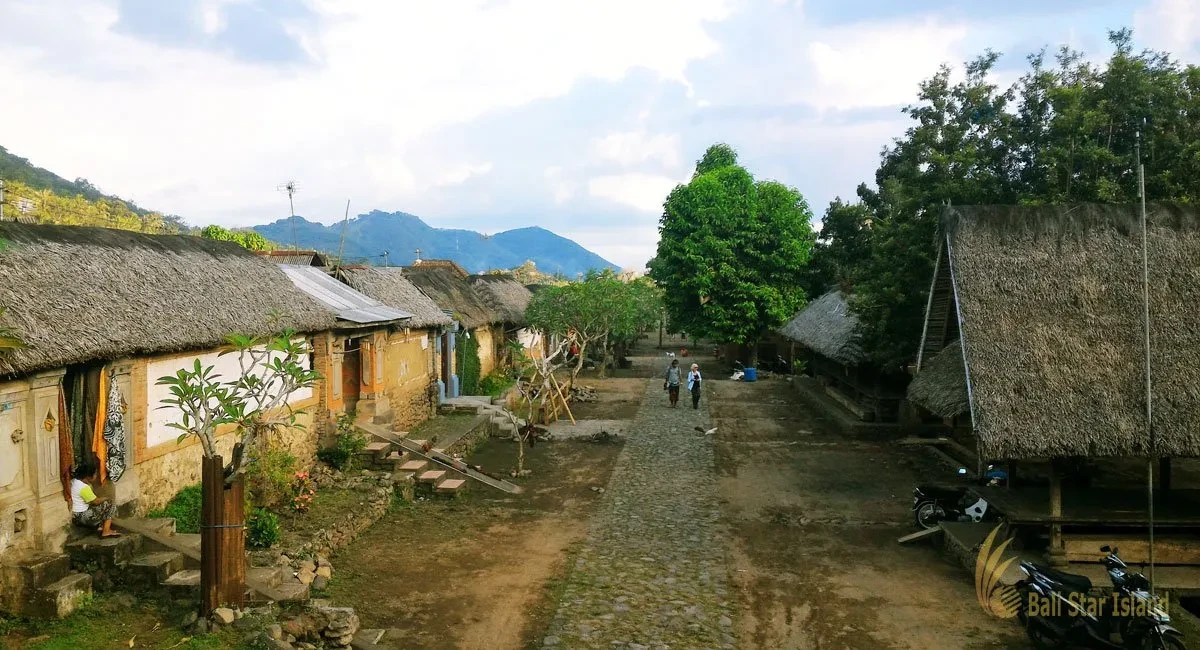
Tenganan, an ancient Balinese village in the island's eastern part, is a popular tourist destination for those who love exploring local culture.
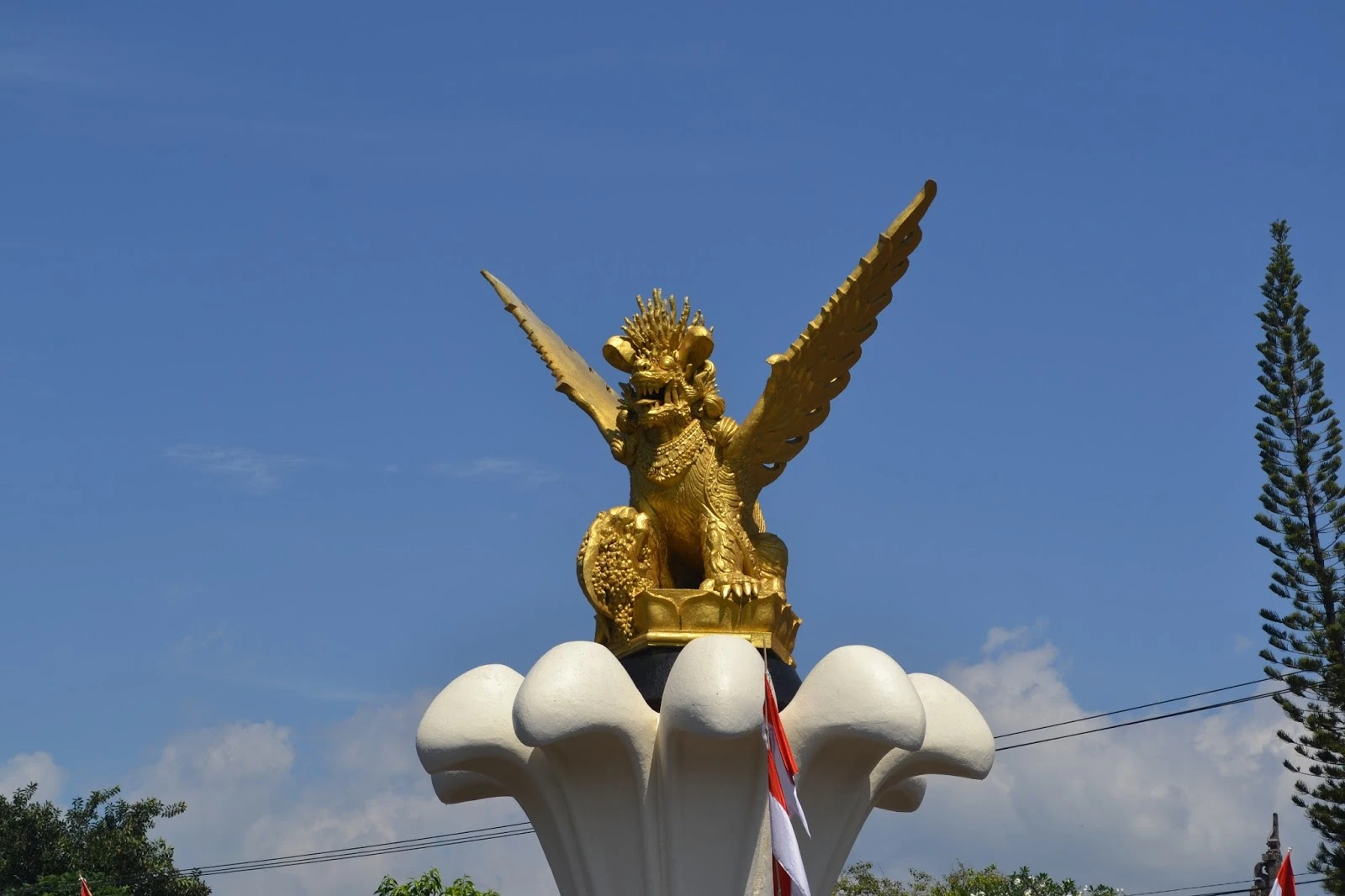
Singaraja is Bali’s second-largest city and the historic capital of the island’s north, but it rarely gets the attention it deserves. While most visitors head south to the beaches and busy resorts.
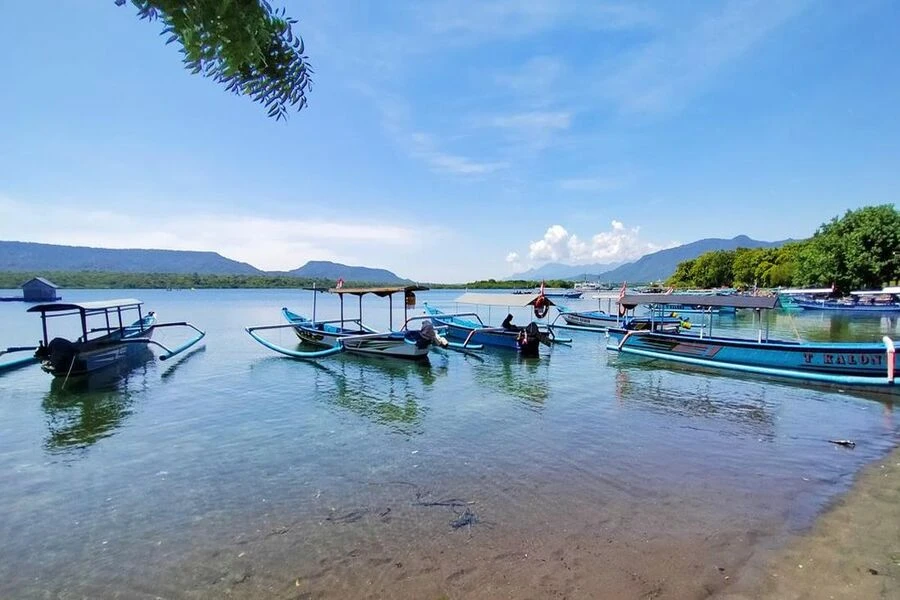
Gilimanuk Bay is a popular tourist destination in Bali, attracting visitors on weekdays and holidays. The bay offers scenic views and a different afternoon atmosphere.

The Bali Starling is one of Indonesia’s most unique and endangered birds. This beautiful bird is native to Bali and has become an important symbol of the island’s conservation.
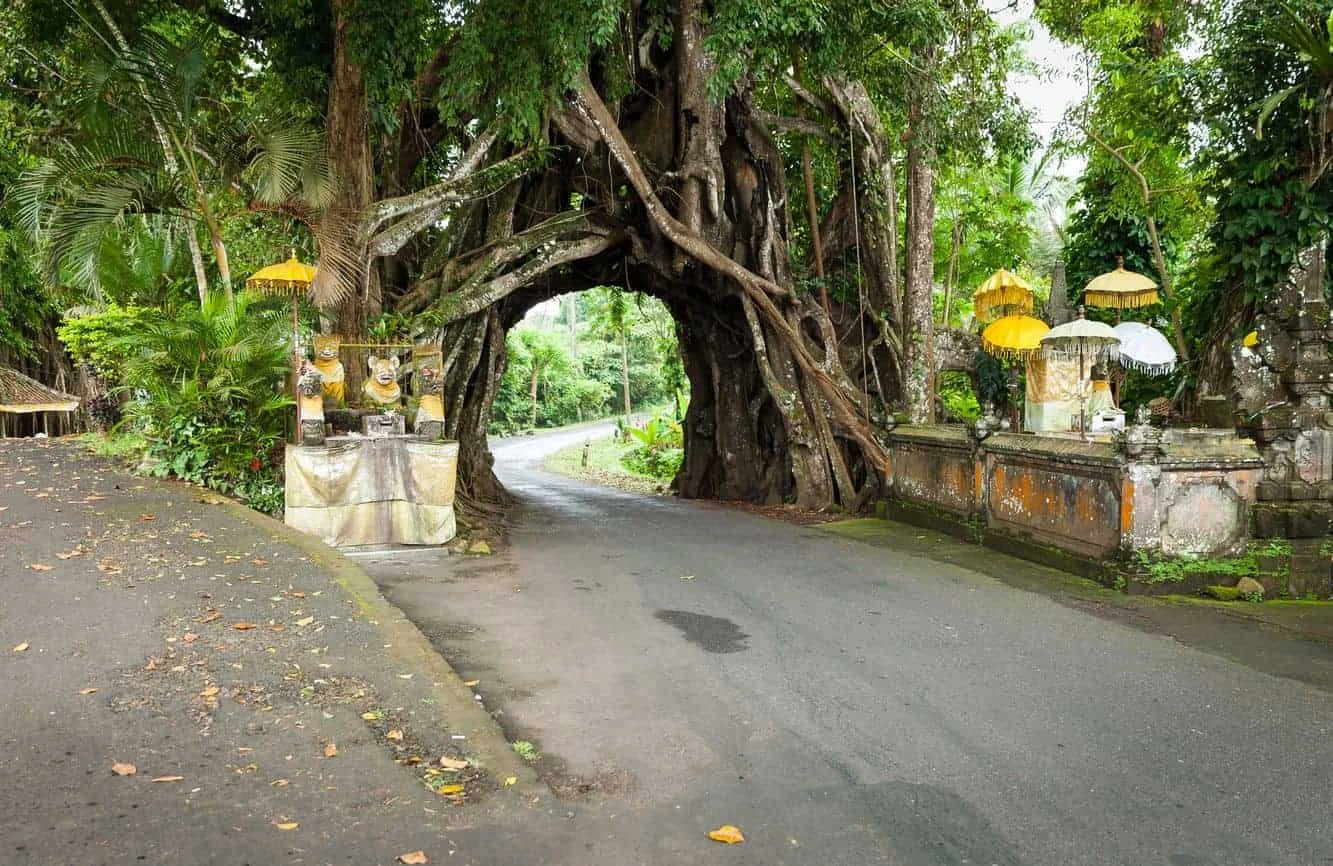
Bunut Bolong in West Bali is a unique banyan tree landmark in Jembrana, known for its natural tunnel, local traditions, and cultural significance.
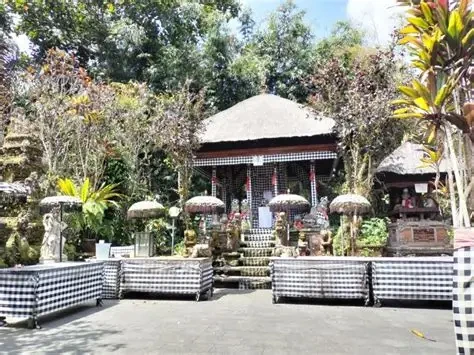
Tamba Waras is a temple in Tabanan known for its healing traditions and melukat ritual, set in the forested slopes of Mount Batukaru.
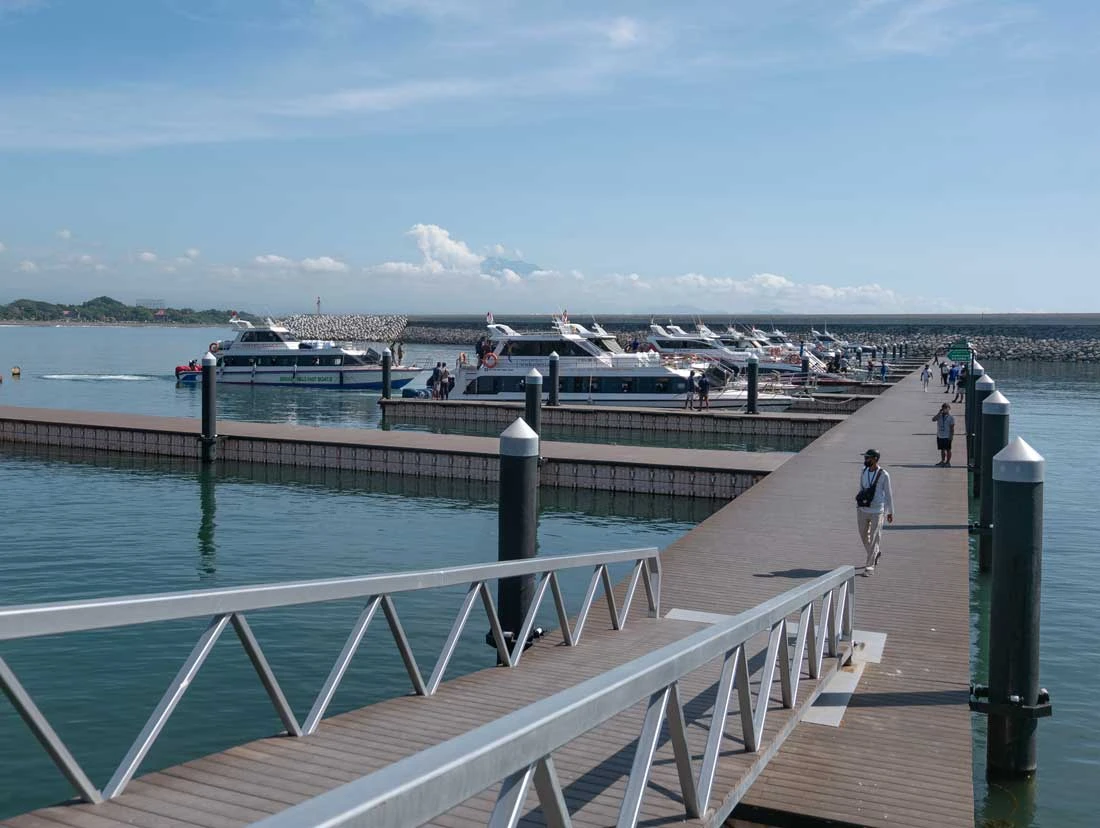
Sanur Harbor is a convenient gateway for traveling by fast boat or ferry to Nusa Penida, Nusa Lembongan, Nusa Ceningan, the Gili Islands, and Lombok.
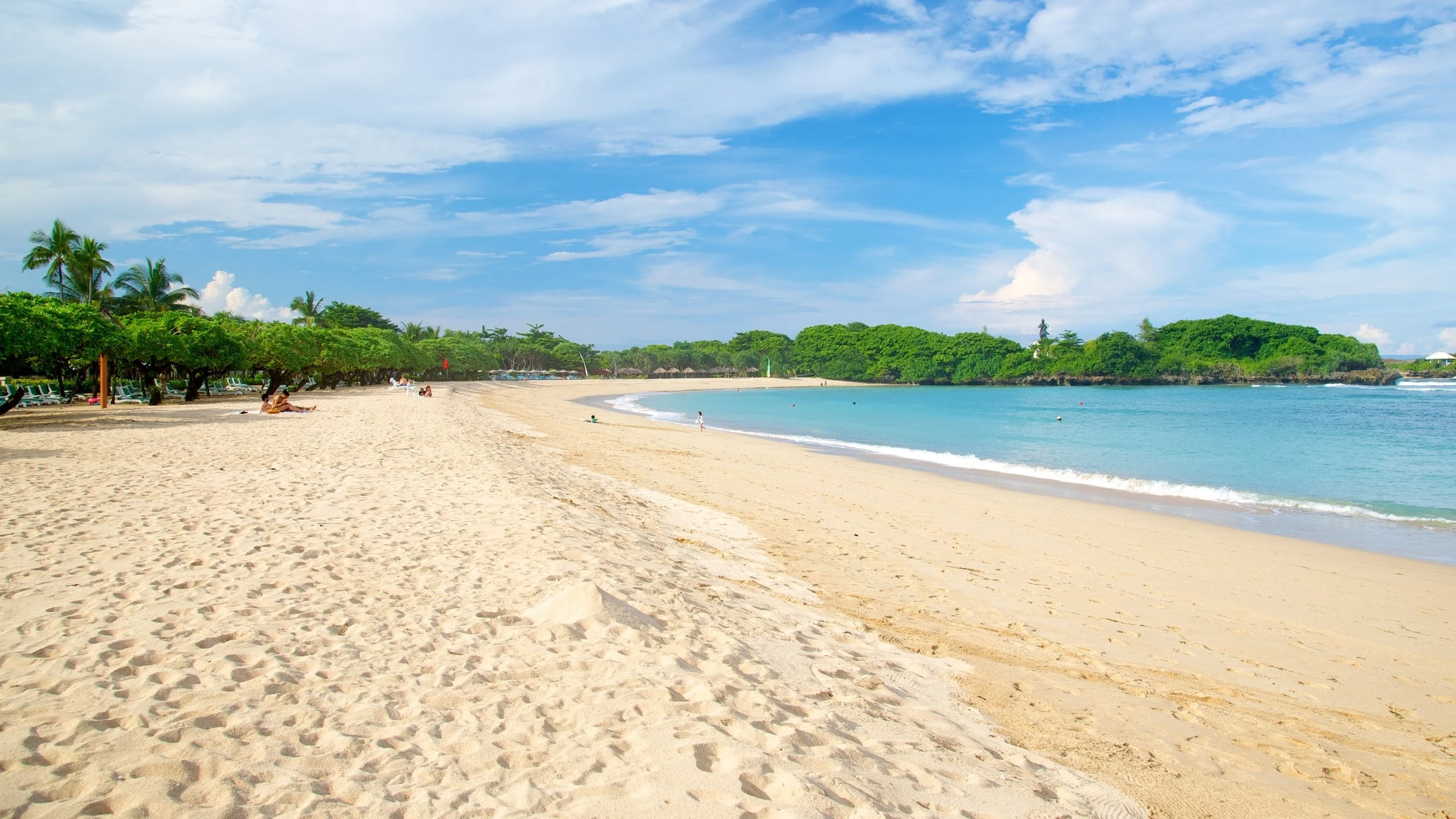
Nusa Dua is one of Bali’s popular areas for staying, known for its beaches, resorts, restaurants, and family-friendly attractions.
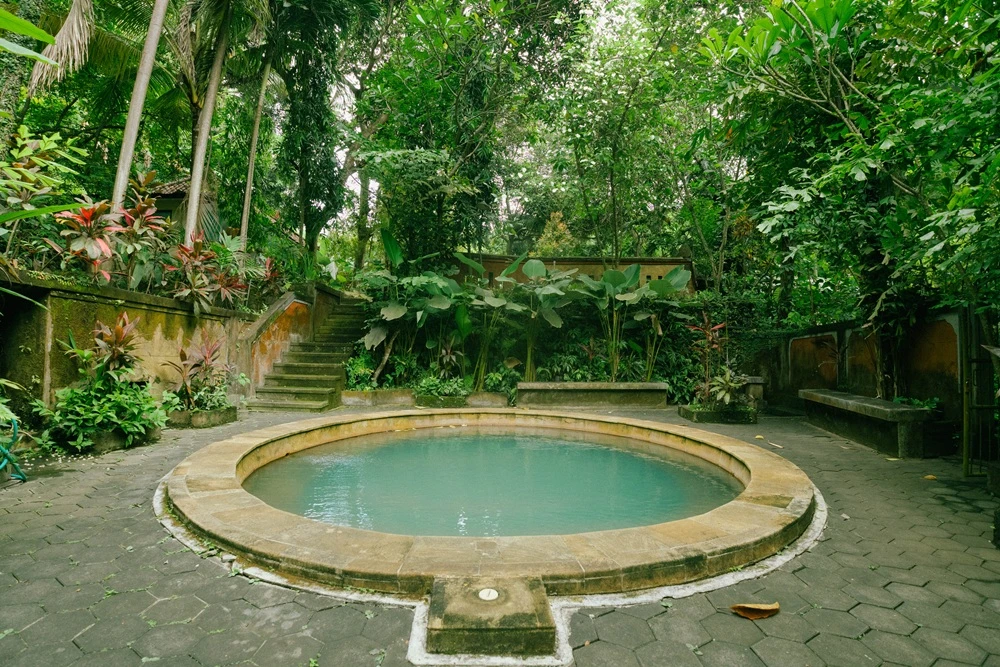
Banjar Hot Water Spring in North Bali offers sulfur-rich hot spring pools, relaxing showers, and a refreshing bathing experience near Singaraja.
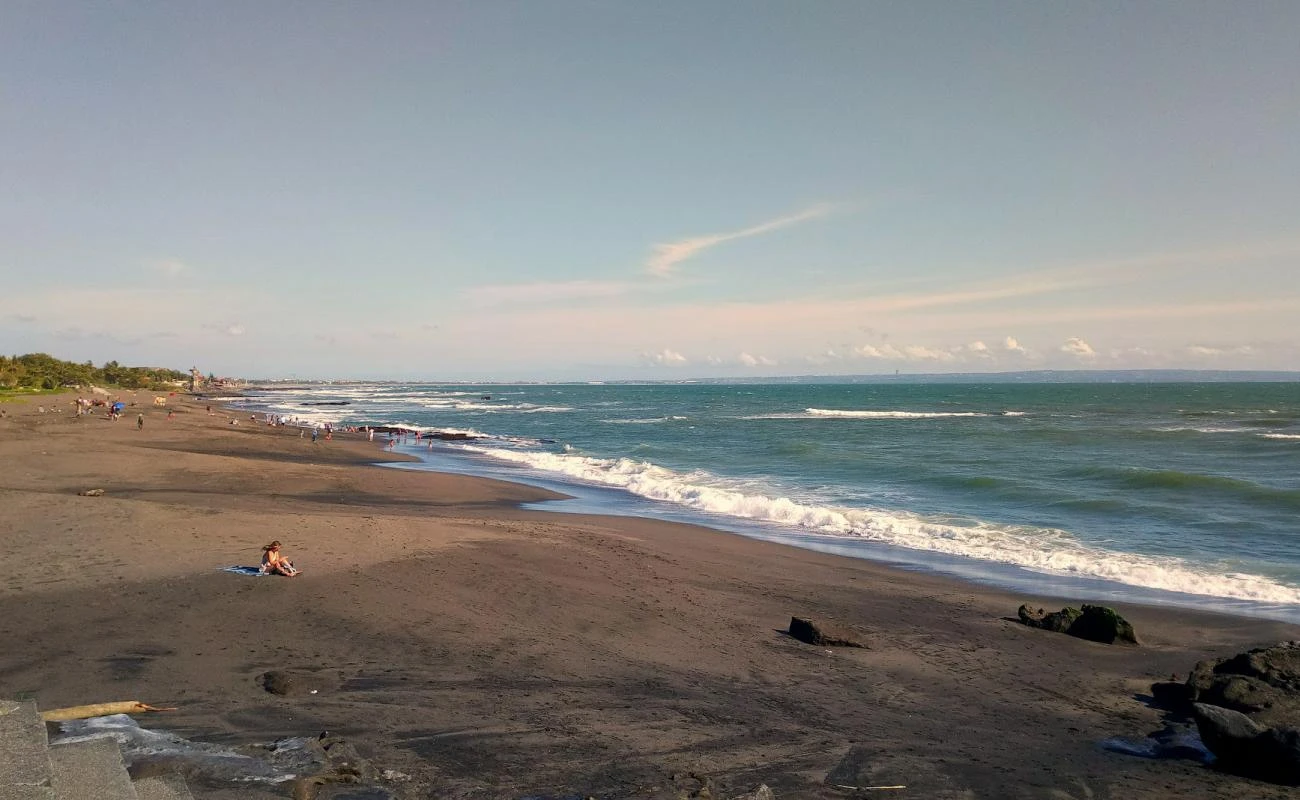
Munggu Beach is a black sand beach on Bali’s southwest coast, known mainly for its surf and sunset views.
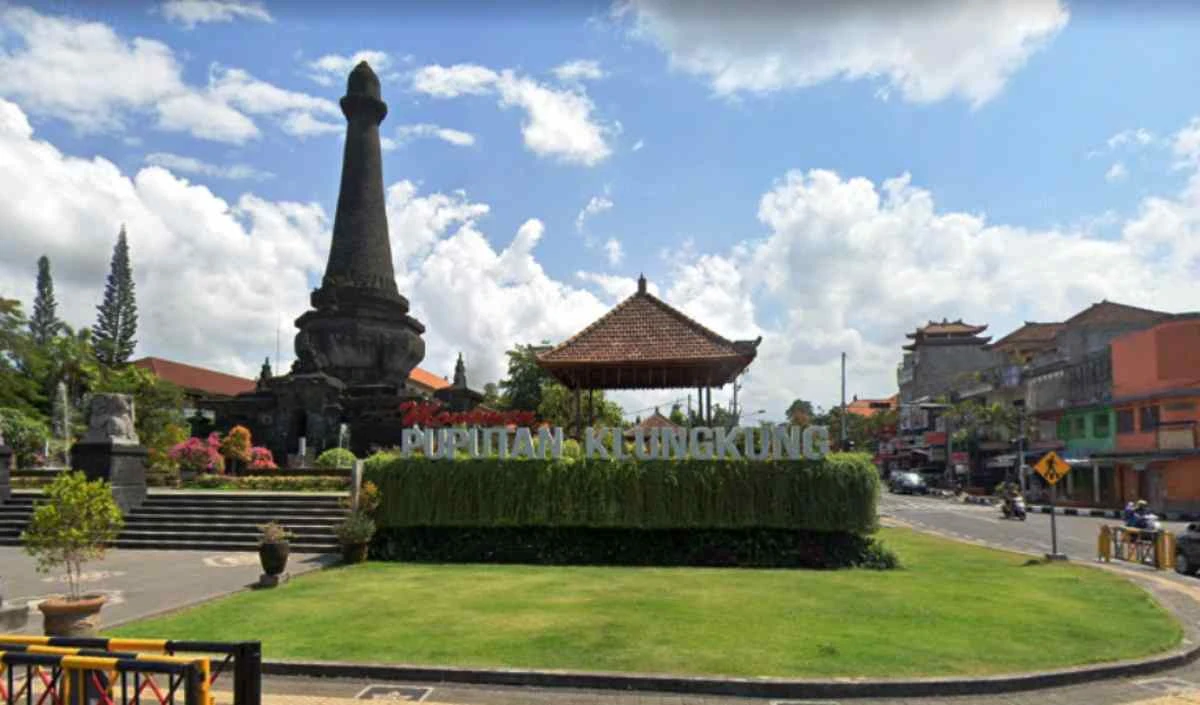
Semarapura is the capital of Klungkung Regency and the former seat of the Klungkung Kingdom. While it is often overlooked by tourists heading to Bali’s better-known destinations.
Discover the best of Bali through curated articles and local tips.
We provide the informations for temple ceremony and other ceremony in Bali, such as: Galungan Day, Kunungan Day, Nyepi Day and the other
Balinese dance is inseparable from religion. A small offering of food and flowers must precede even dances for tourists. Before performing, many dancers pray at thei
The centerpiece of any Indonesian meal is steamed or boiled rice.Accompanying dishes include various preparations of chicken, duck, beef, goat, all kinds of seafood

Choose the tour packages category and book your tours in Bali complete in one touch

Provide choice adventure tours in Bali to make your holiday more fun and unforgetable

Decide your activities when in Bali and we provide the transportation services such as car charter, shuttle services, lembongan boat transfers, gili boat transfers or boat charter

Explore Bali's top attractions, cultural highlights, temple ceremonies, and local news in one place. Get the latest updates and essential travel information.

For your transportation from Ngurah Rai Bali Airport to your hotel or return.

Car charter with private driver, full AC comfortable vessels and professional drivers.

Fast boat service from Sanur or Serangan Bali to Jungut Batu Bay or Mushroom Bay Lembongan Island.

We accept payment online via PayPal or Indonesian Local Bank BRI, Mandiri or BCA