
Travel Guide To Lovina Dolphin Tour
A Lovina dolphin tour is one of the most rewarding ways to start a morning in Bali.
 Tours around Bali paradise island
The Original Balinese Culture, Preserved Through Double Ikat Heritage
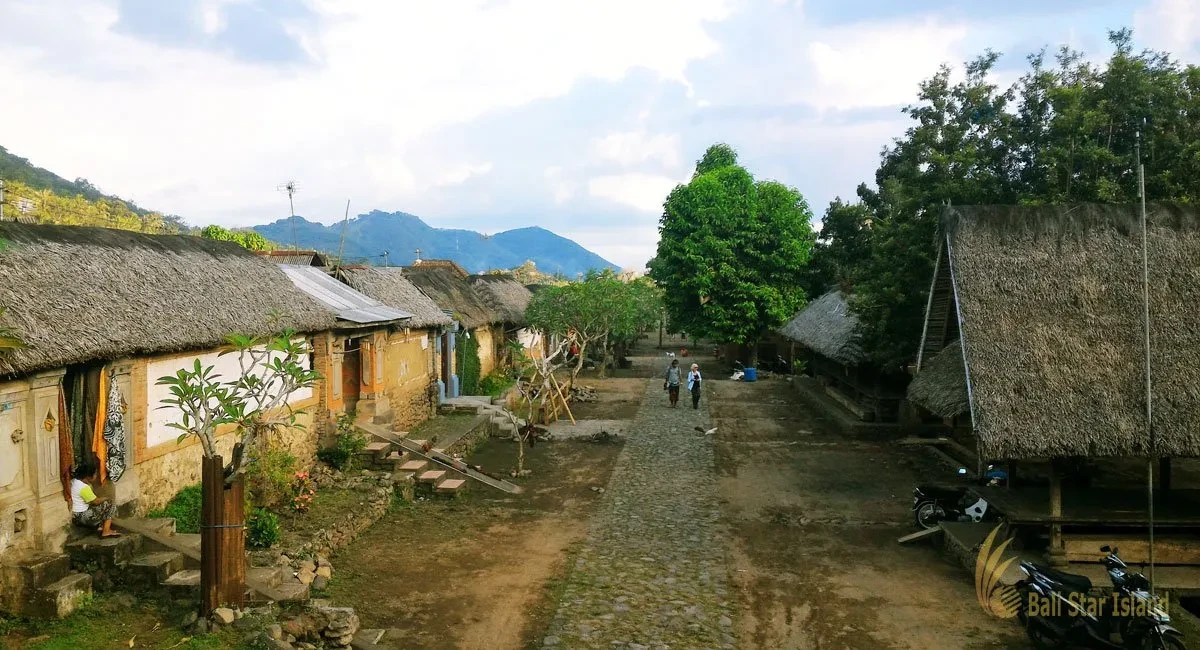
Tenganan Village
Tenganan, an ancient Balinese village in the island's eastern part, is a popular tourist destination for those who love exploring local culture. As one of the last remaining Bali Aga villages, it preserves a way of life that predates the Hindu-Javanese migration to Bali by centuries. Walking through its cobblestone lanes feels like stepping into a living museum of ancient Balinese culture.
Known locally as Tenganan Pegringsingan, the village is famous for its distinctive geringsing double ikat weaving, the sacred Mekare-Kare pandan war ceremony, and customary laws that have kept its cultural heritage alive for generations. Strolling through its stone-paved lanes, visitors can visit traditional houses, learn about Bali’s ancient history, and experience a community that remains deeply connected to its ancestral roots.
Tenganan Village is located in Karangasem Regency, East Bali, about 5 km inland from Candidasa Beach and around 65 km from Denpasar. You can reach the village by car or motorbike via well-maintained roads. Visitors must park at the entrance, as vehicles are not allowed inside the village. From the parking area, you can walk to explore the village.
The history of Tenganan Pegringsingan is rooted in several local legends and myths. One popular story tells of King Mayadenawa, who ruled the Belalu Kingdom and forbade the people of Peneges from worshipping at Besakih Temple. Angered, the god Bhatara Indra descended to the human world, defeated the king, and restored the villagers’ right to pray. To celebrate, the people planned to sacrifice a sacred white-haired horse named Onceswara, but the horse mysteriously disappeared. Two groups from the Peneges community were sent to search for it in East Bali. Although one group failed to find the horse, the other discovered it dead in the hills. According to the legend, Bhatara Indra eventually granted the villagers land where they could establish a settlement.
Another local legend says the Peneges men cut the dead horse into pieces, and the god Bhatara Indra later transformed them into sacred stones. These stones became symbols of the village’s territory and are still worshipped in Tenganan today. There are four important stones: Kakidukun, associated with fertility; Taikik, linked to prosperity; Penimbalan, used in the Teruna Nyoman initiation ceremony for young men; and Batu Jaran, believed to mark the spot where the sacred horse died and serving as a reminder of the village’s origins.
The Bali Aga are often described as the original Balinese people who lived on the island before Hindu-Javanese influences arrived. The community is believed to have ancestral roots dating back to Bali’s pre-Majapahit period, and Tenganan is one of the villages where their cultural identity and traditional way of life have been preserved over generations. Unlike many other Balinese communities, the Bali Aga of Tenganan maintain distinctive customs, social rules, crafts, and ceremonies that reflect their long-standing traditions.
Marriage customs have also helped maintain the community’s identity. Traditionally, residents are expected to marry within the Bali Aga community, and those who marry outsiders may face restrictions on remaining part of the village community. Today, Tenganan remains one of the few places in Bali where ancestral customs, traditional weaving, and ritual ceremonies continue to be an important part of everyday life.
The Bali Aga people of Tenganan have preserved their customs for generations, guided by traditional laws known as awig-awig. These rules cover various aspects of village life, including marriage, social responsibilities, and religious ceremonies. Traditionally, villagers are expected to marry within their community, helping maintain Tenganan’s distinct cultural identity.
One of the village’s most famous traditions is Mekare-Kare, or the Pandan War, held around June or July during the Usaba Sambah festival. The ceremony involves men fighting with thorny pandan leaves and rattan shields to honor Bhatara Indra. Tenganan is also known for geringsing double ikat weaving, a rare technique that can take years to complete a single piece. The cloth plays an important role in traditional ceremonies throughout a person’s life.
Besides weaving, visitors can find handmade crafts such as lontar leaf carvings, bamboo products, and baskets in local shops. The village is also known for Gamelan Selunding, sacred traditional music played during ceremonies, and locally produced black honey from stingless bees.
Exploring Tenganan is best done on foot, giving you time to see its traditional buildings and daily village life. In the north, visit Pura Paseh temple and several sacred stones, including Kakidukun, Taikik, and Batu Jaran. In the south, look for the main village gate, Bale Agung communal hall, and the Kul Kul tower, whose drum traditionally signals the start of the day. The open pavilions in the village center are also worth a look, as residents use them as gathering places.
You can also browse local craft stalls selling geringsing textiles, lontar leaf carvings, woven baskets, and black honey. During the Usaba Sambah festival, visitors may see the traditional swing ceremony, in which young women in ceremonial clothing ride a large wooden swing. A resident may also accompany you during your visit, offering a chance to learn more about the village’s customs and traditions.
Tenganan Pegringsingan is worth visiting if you want to learn more about Bali’s traditional culture and see how the Bali Aga people maintain their customs and way of life. From its traditional architecture to its unique ceremonies and handmade crafts, the village offers a different perspective on Balinese culture.
Curious about Bali’s original inhabitants? Visit Tenganan and explore more of the island with our range of holiday packages to suit your interests and budget.
A Lovina dolphin tour is one of the most rewarding ways to start a morning in Bali.
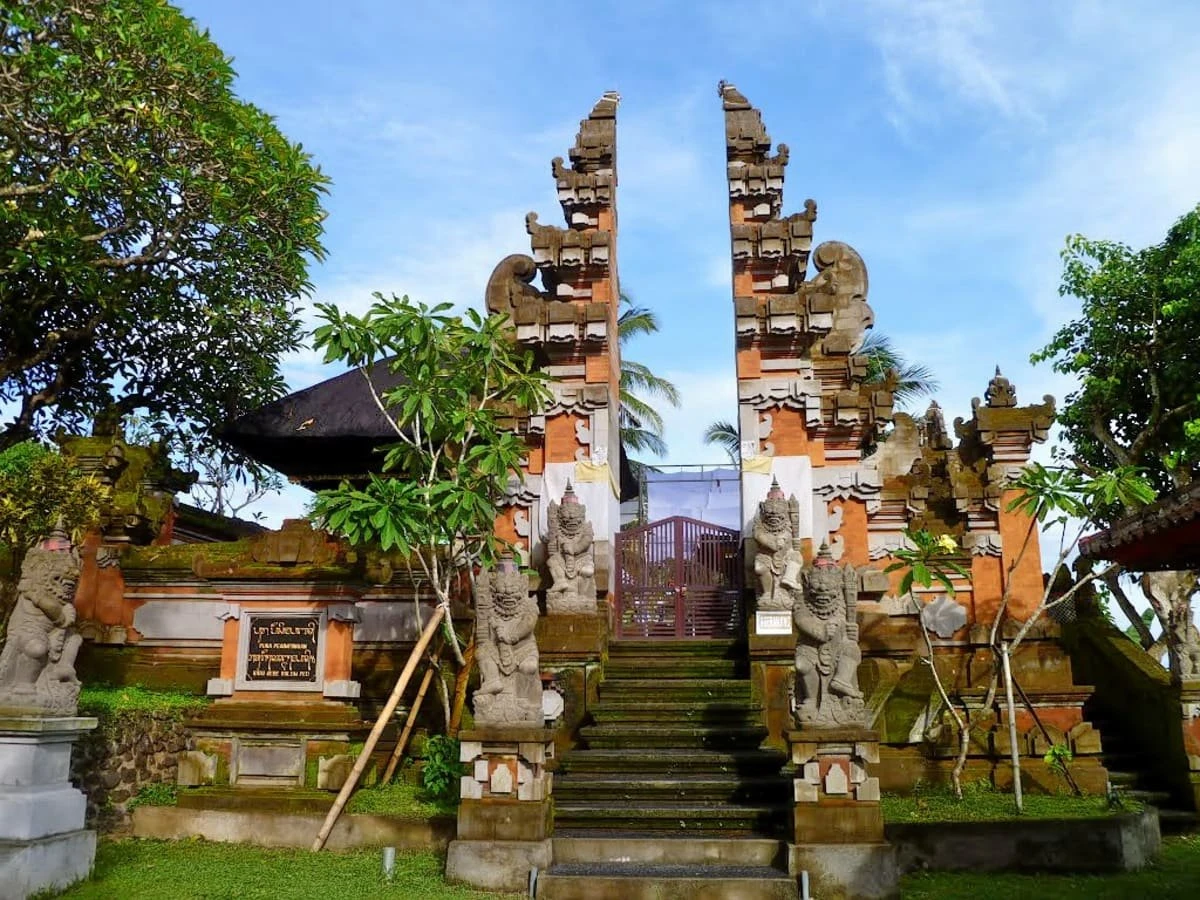
Rambut Siwi Temple is located in Yeh Embang Kangin Village, Mendoyo District, Jembrana Regency, on the western side of Bali.
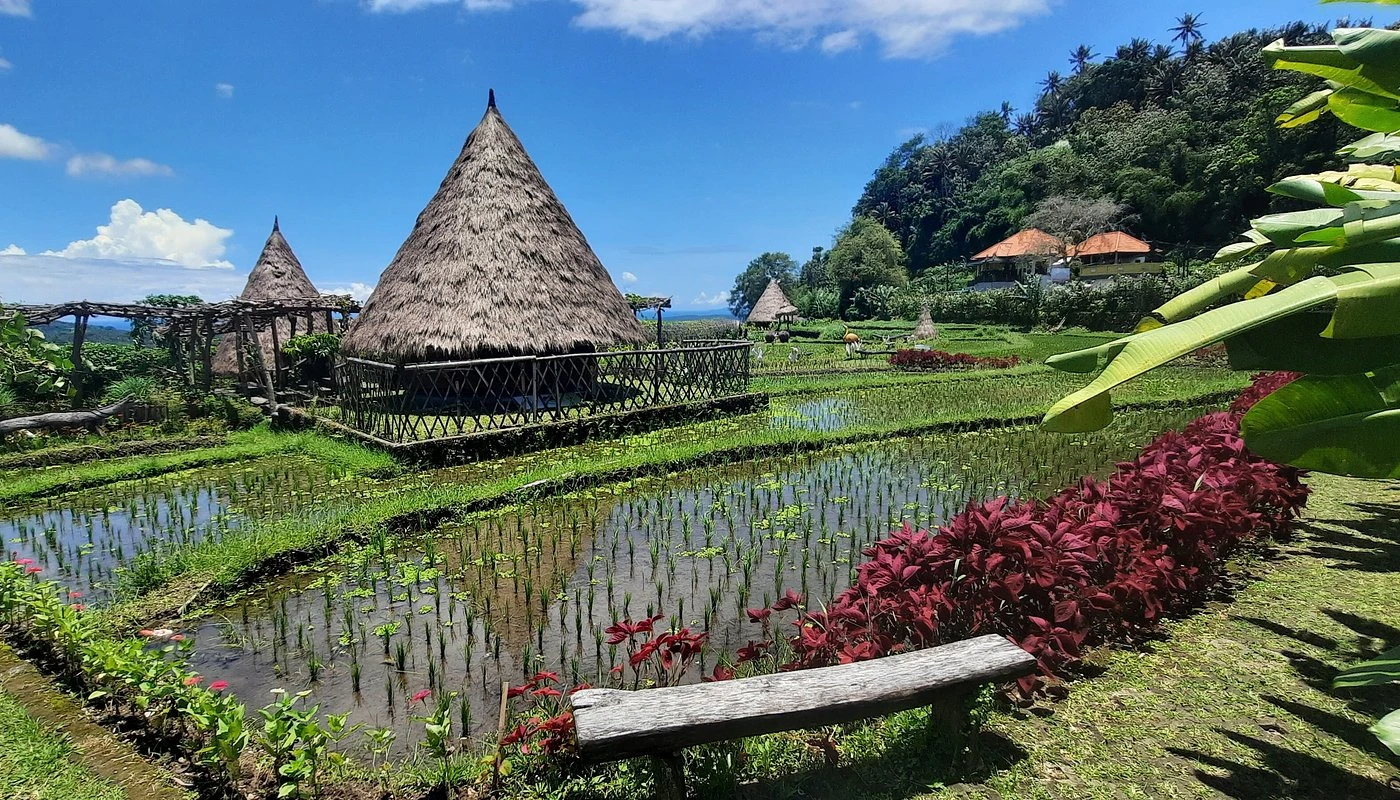
Maha Gangga Valley is a popular alternative for visitors seeking a quieter side of Bali beyond its famous beaches.
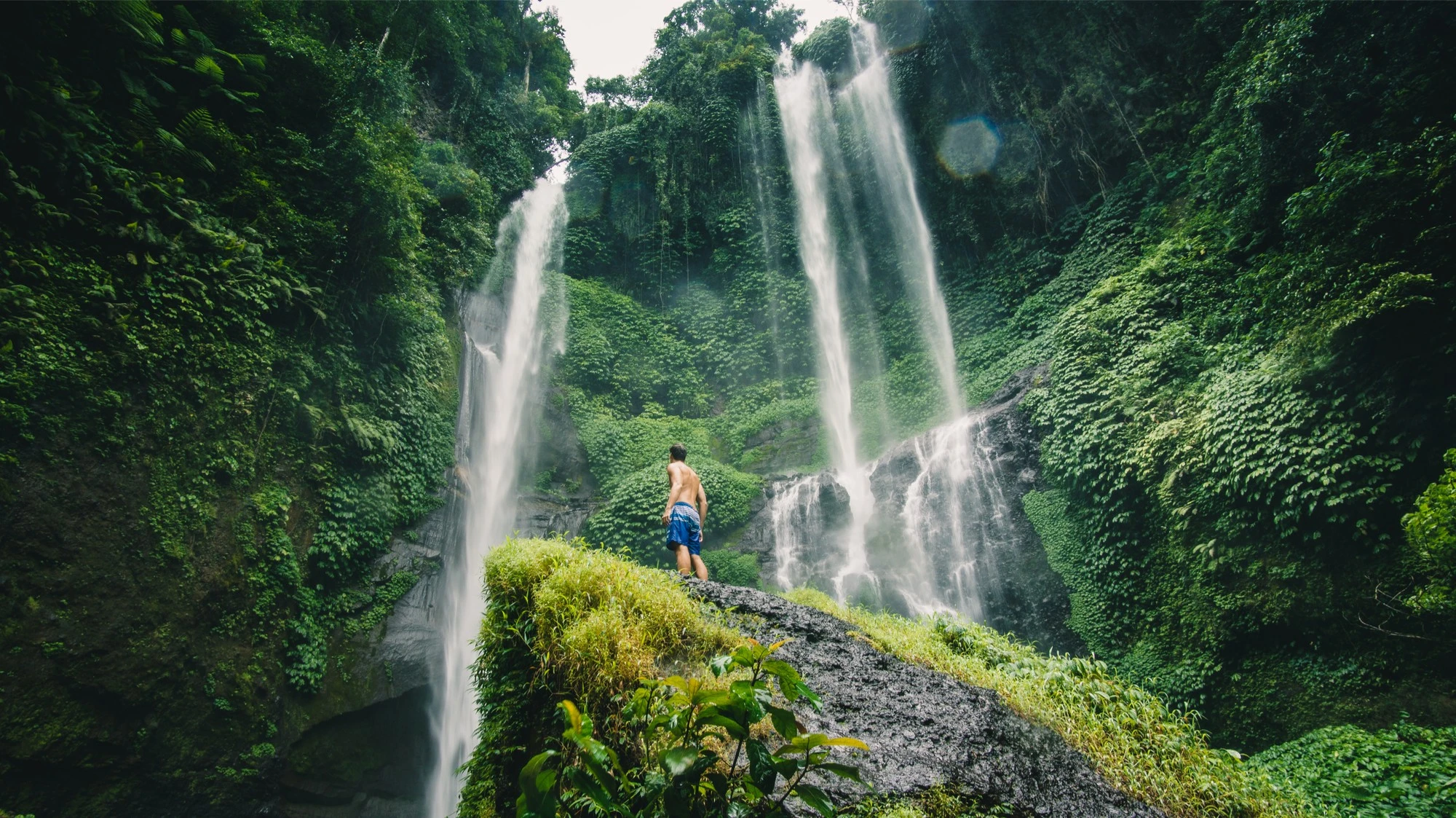
Sekumpul Waterfall is not just one waterfall. It is a cluster of multiple cascades tumbling down moss-covered cliffs up to 80 meters high.
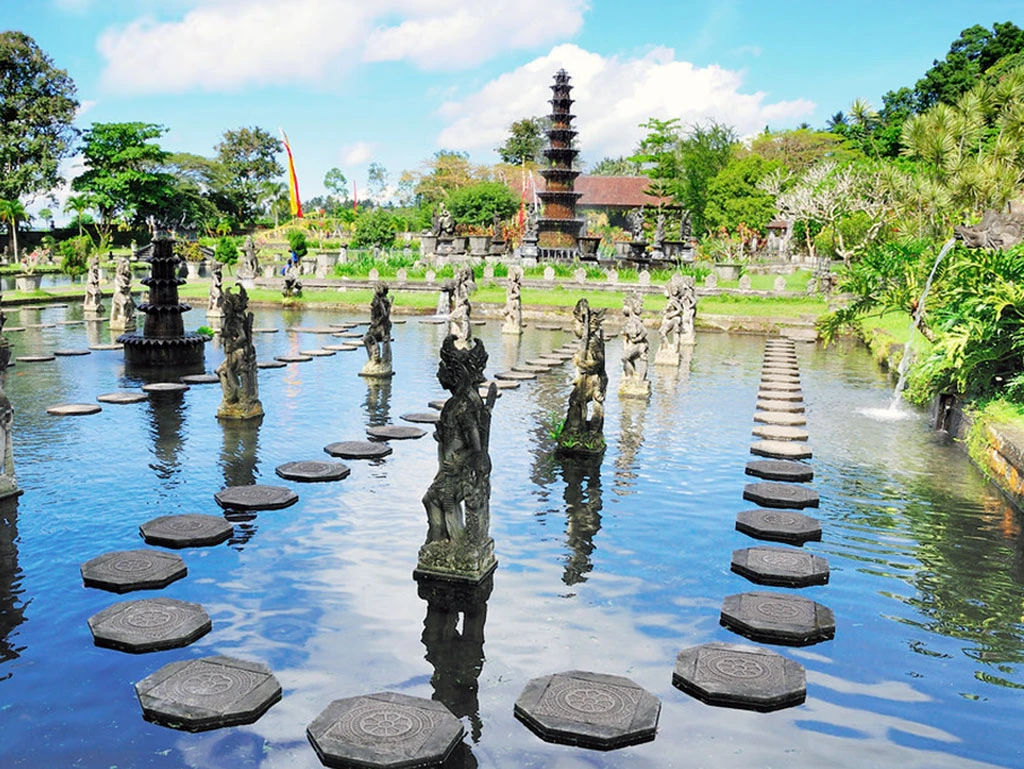
Located in Karangasem Regency, this beautiful royal water garden is known for its clear ponds, green gardens, and peaceful atmosphere.
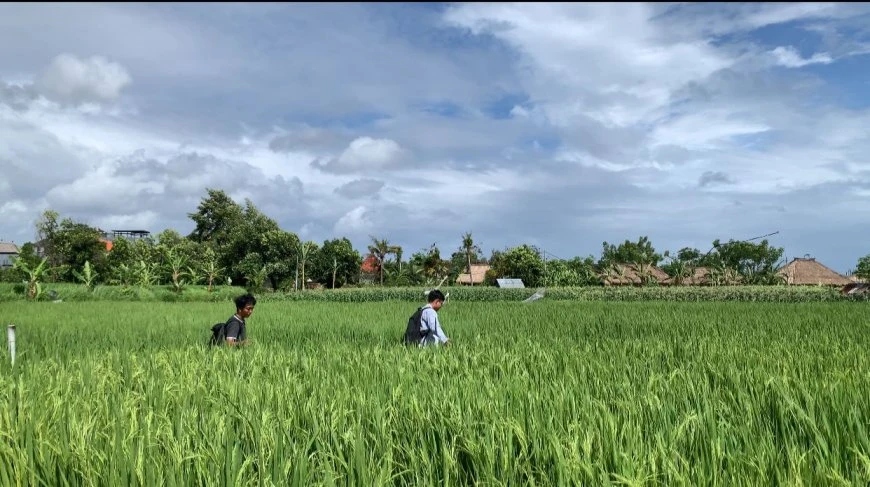
Kertalangu Cultural Village is a great place to visit if you want to experience a different side of Denpasar, Bali.
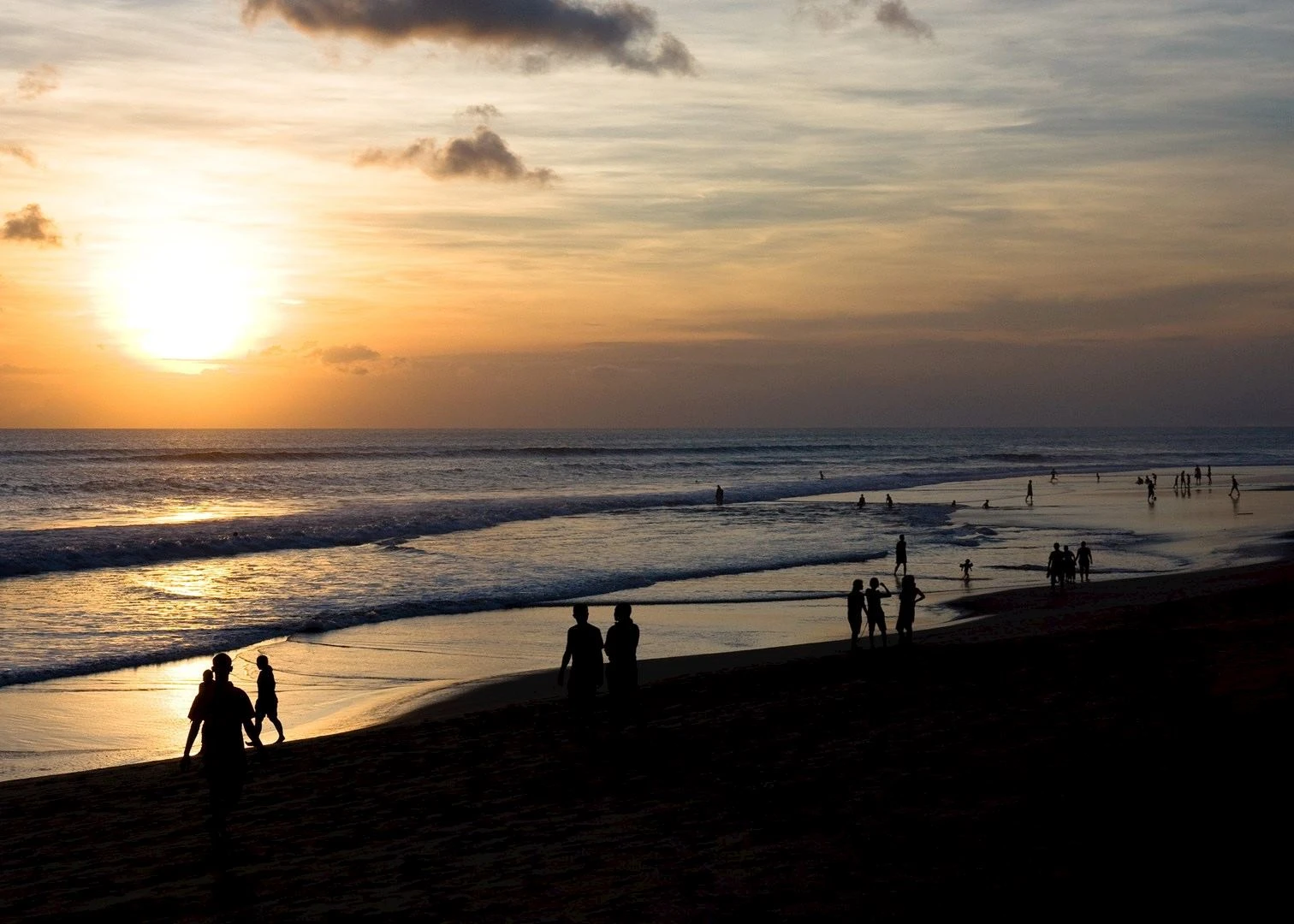
Many travelers choose Seminyak for its relaxing beaches, great food, and fun places to explore. This Seminyak Bali Travel Guide will show you why this area is one of the most popular destinations in Bali.
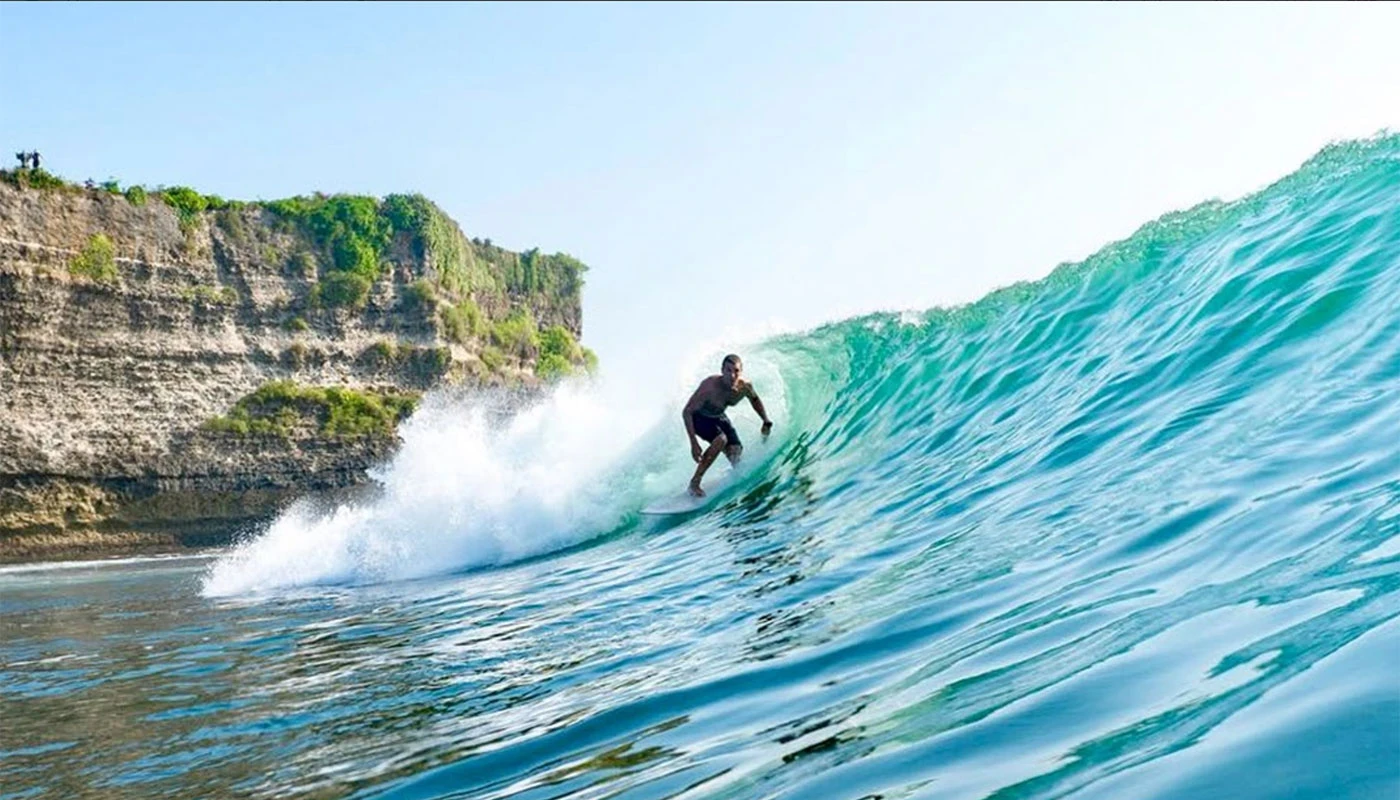
Bali is one of the world's most popular surfing destinations, offering beautiful beaches, consistent waves, and tropical scenery. Every year, surfers from around the world come to the island.
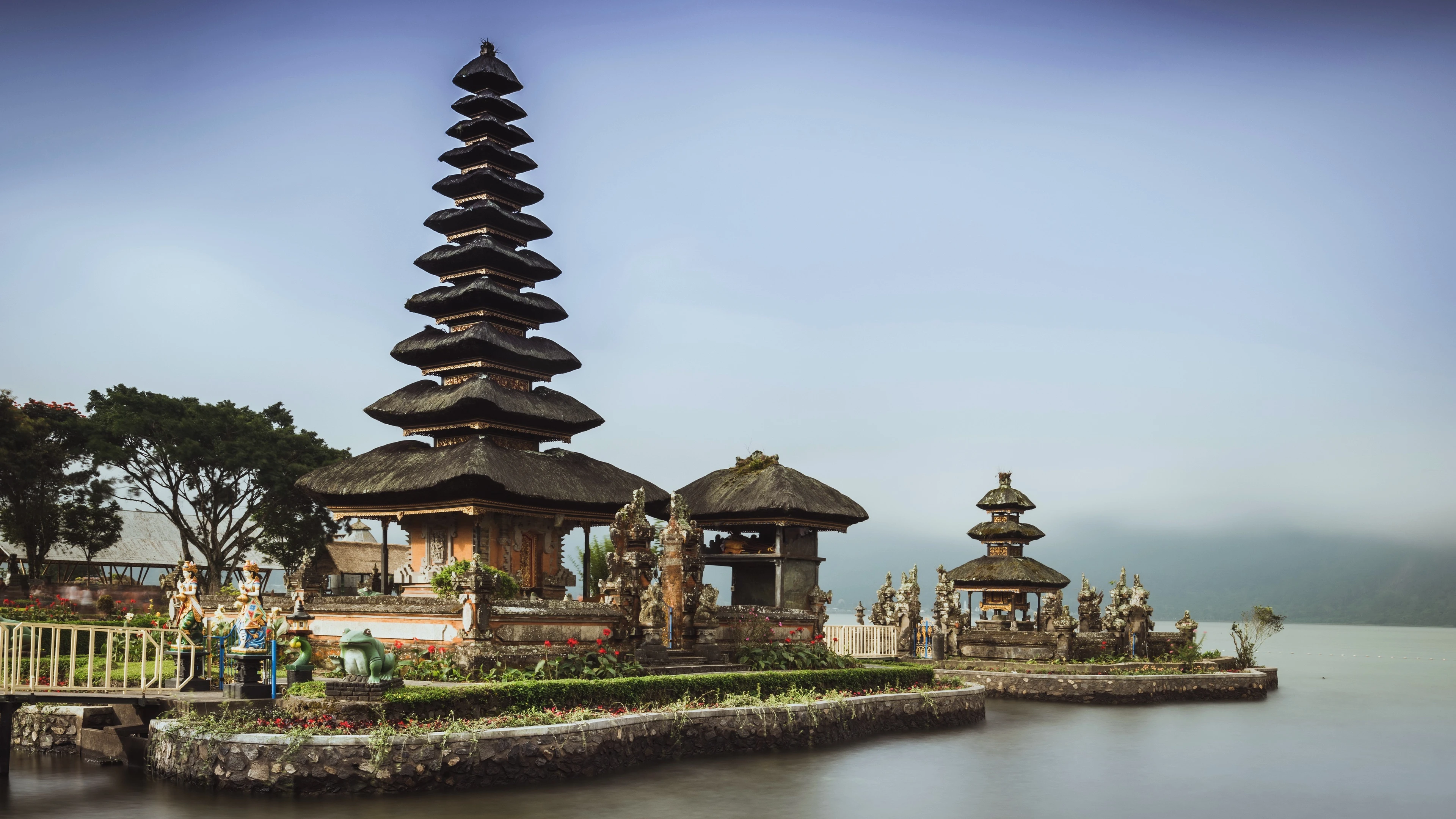
The best time to visit Bali is during the dry season, from April to October. If you want the perfect balance of great weather and fewer crowds, aim for May, June, September, or October.
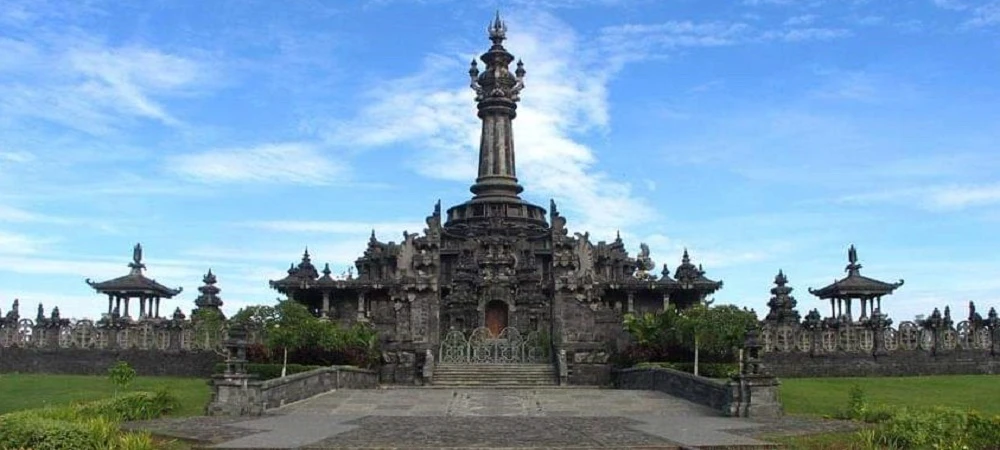
As the capital city of Bali, Denpasar is more than just an administrative hub; it is a vibrant destination filled with cultural landmarks, historical sites, local markets, and scenic attractions
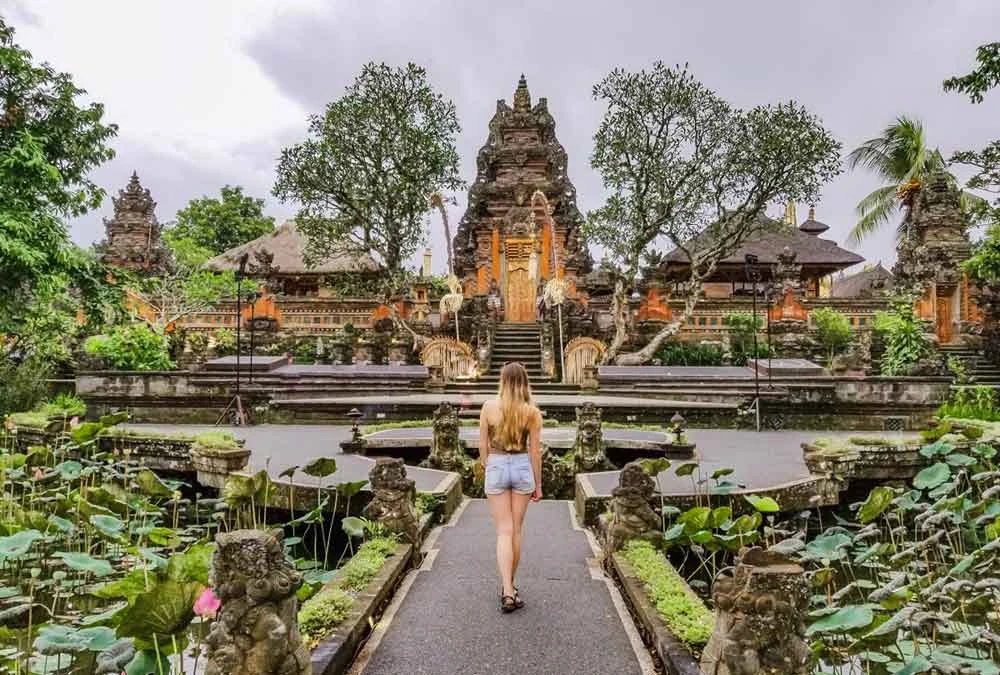
Ubud is the heart of Bali's cultural and artistic heritage, offering traditional crafts and spiritual experiences. This Bali Travel Guide will take you through a perfect one-day itinerary.
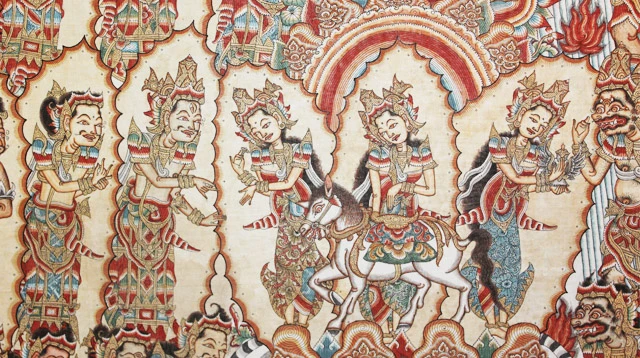
Classical Painting of Wayang Kamasan is renowned for its traditional artistic heritage. Unlike modern painting styles, Kamasan painting is a classical Balinese art.
Discover the best of Bali through curated articles and local tips.
We provide the informations for temple ceremony and other ceremony in Bali, such as: Galungan Day, Kunungan Day, Nyepi Day and the other
Balinese dance is inseparable from religion. A small offering of food and flowers must precede even dances for tourists. Before performing, many dancers pray at thei
The centerpiece of any Indonesian meal is steamed or boiled rice.Accompanying dishes include various preparations of chicken, duck, beef, goat, all kinds of seafood

Choose the tour packages category and book your tours in Bali complete in one touch

Provide choice adventure tours in Bali to make your holiday more fun and unforgetable

Decide your activities when in Bali and we provide the transportation services such as car charter, shuttle services, lembongan boat transfers, gili boat transfers or boat charter

Explore Bali's top attractions, cultural highlights, temple ceremonies, and local news in one place. Get the latest updates and essential travel information.

For your transportation from Ngurah Rai Bali Airport to your hotel or return.

Car charter with private driver, full AC comfortable vessels and professional drivers.

Fast boat service from Sanur or Serangan Bali to Jungut Batu Bay or Mushroom Bay Lembongan Island.

We accept payment online via PayPal or Indonesian Local Bank BRI, Mandiri or BCA